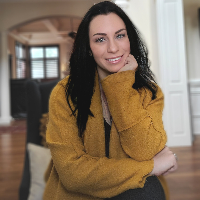
Dana Hall
Compassionate, practical therapy for life challenges
- Credentials
- LCPC
- Experience
- 20 years
- Licensed in
- Illinois
- Languages
- English
- Format
- Online sessions
About Dana
Dana Hall is a Licensed Clinical Professional Counselor (LCPC) based in Illinois. She focuses on common worries like stress, anxiety, depression, grief, addiction, and parenting concerns. Dana listens without judgment and helps people find practical ways to manage strong emotions and daily life demands.
Her approach is warm and direct so conversations feel honest and useful from the start. Dana brings about 20 years of experience in education and mental health settings.
Background and approach
She has worked as a crisis management specialist, consultant, educator, and senior supervising therapist before moving into independent practice. Her background includes training in trauma work and developing programs that teach skills for emotional regulation and interpersonal effectiveness. In sessions she uses tools from Cognitive Behavioral Therapy (CBT), Acceptance and Commitment Therapy (ACT), Dialectical Behavior Therapy (DBT), and Emotionally-Focused Therapy (EFT).
She helps people learn mindfulness, distress tolerance, and practical coping strategies. Those tools are paired with a client-centered stance that emphasizes respect and collaboration. Dana has experience supporting people around trauma and loss, and she integrates trauma-focused methods when needed.
She values clarity and gentle challenge, helping people identify obstacles and try small changes that add up. Her work often focuses on building durable skills for managing mood, relationships, and life transitions. The first sessions are about listening, setting priorities, and choosing strategies that make sense for each person.
Over time she aims to help clients feel more capable making choices that match their values and goals.
Therapeutic approaches and how they work online
Acceptance and Commitment Therapy (ACT) helps people notice unhelpful thoughts and choose actions that match their values. It is often used for anxiety, depression, and coping with life changes by teaching practical acceptance and committed action. Cognitive Behavioral Therapy (CBT) focuses on identifying troublesome thinking patterns and testing new behaviors to reduce symptoms. CBT is useful for anxiety, depression, sleep and eating problems, and many everyday challenges. Dialectical Behavior Therapy (DBT) teaches skills in mindfulness, emotional regulation, distress tolerance, and interpersonal effectiveness. Those skills support people who struggle with intense emotions, relationship conflicts, and coping under stress.Dana approaches finding the right method as a collaborative process. She listens to the person's goals and priorities, then suggests approaches or a blend of techniques that fit those needs. Together they adjust the plan over time so therapy stays practical and useful rather than theoretical.
Online sessions make it easier to fit therapy into a busy life. Video calls let therapists and clients meet face to face from different places, while phone, live chat, or text-based messaging offer shorter or more flexible check-ins. These options can help people maintain regular contact, practice skills between sessions, and access support without long commutes.
Acceptance and Commitment Therapy (ACT)
Less about arguing with difficult thoughts, more about loosening their grip and acting on what matters to you anyway. Values and committed action carry the work, which suits conversation at a distance.
Client-Centered Therapy
The direction comes from you rather than from a set programme. The therapist offers a warm, non-judgemental space to think out loud and work at your own pace. Online, this rests on the relationship rather than on being in the same room.
Cognitive Behavioral Therapy (CBT)
CBT looks at the link between what you think, how you feel, and what you do. You work on noticing unhelpful patterns and practising steadier responses. It suits online sessions well, because much of the work happens between appointments and can be talked through from anywhere.
Frequently asked questions
What kinds of concerns does Dana help with?
How would you describe her therapy style?
What is her professional background?
What credentials and location are listed?
Are sessions offered in other languages or internationally?
Which session formats are available?
How are costs handled?
What steps are needed to begin working with her?
Specialties and expertise
Top specialties
- Stress, Anxiety
- Relationship issues
- Family conflicts
Also works with
- Abandonment
- Addictions
- ADHD
- Anger management
- Bipolar disorder
- Career difficulties
- Chronic pain, illness, and disability
- Coaching
- Compassion fatigue
- Control issues
- Coping with life changes
- Coping with natural or human-caused disaster
- Depression
- Dissociation
- Divorce and separation
- Drug and alcohol addiction
- Eating disorders
- Emptiness
- Family of origin issues
- Family problems
- Fertility issues
- First responder issues
- Forgiveness
- Grief
- Guilt and shame
- Intimacy-related issues
- LGBT
- Life purpose
- Men's issues
- Midlife crisis
- Mood disorders
- Multicultural concerns
- Narcissism
- Obsessions, compulsions, and OCD
- Panic disorder and panic attacks
- Paranoia
- Parenting issues
- Personality disorders
- Phobias
- Polyamory / non-monogamous relationships
- Post-traumatic stress
- Postpartum depression
- Prejudice and discrimination
- Process addiction (porn, exercise, gambling)
- Seasonal Affective Disorder (SAD)
- Self esteem
- Self-harm
- Self-love
- Sexual assault and abuse
- Sexuality
- Sleeping disorders
- Social anxiety and phobia
- Trauma and abuse
- Women's issues
Therapeutic approaches
- Experience
- 20 years
- Licensed
- Illinois
- Languages
- English
Next step
Talk to Dana
- Takes a few minutes
- Nothing to set up just to look
- Stop at any point