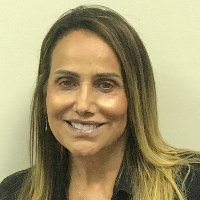
Cheryl Youngblood
Compassionate, practical support for families
- Credentials
- LCSW
- Experience
- 12 years
- Licensed in
- California
- Languages
- English
- Format
- Online sessions
About Cheryl
Cheryl Youngblood is a licensed clinical social worker who helps people manage stress, anxiety, depression, trauma, and family challenges. She works with parents and families around relationship strain, communication problems, caregiving stress, and life transitions. Cheryl also supports concerns such as addiction, sleep troubles, anger, self-esteem, and ADHD-related issues.
She brings a calm, compassionate presence and aims to make therapy practical and understandable. Cheryl trained and earned her LCSW - Licensed Clinical Social Worker - and has twelve years of professional experience.
Background and approach
She has a long history working with foster and adoptive families and has led programs focused on adoption and foster care. That background informs how she sees family patterns and attachment concerns. Her style is client-centered and down to earth.
Cheryl listens first, then offers tools that fit each person’s life. She uses cognitive behavioral techniques to address thoughts and behaviors, and emotionally focused ideas to improve connection and communication in families. In sessions she often mixes short exercises with talk.
Clients may learn breathing and guided imagery for anxiety, practical steps for better sleep, and ways to handle caregiving demands without burning out. She leans toward clear, step-by-step strategies rather than theory-heavy explanations. Cheryl practices in California and holds the license CA LCSW 29263.
Sessions are offered in English and she provides several online formats including video calls, phone sessions, live chat, and text-based messaging. To begin, a parent or caregiver completes a short matching questionnaire and schedules a session.
How Cheryl’s Methods Work Online
Client-Centered Therapy focuses on listening and building a trusting connection. The therapist follows the person’s lead, reflects what is said, and helps people notice their own strengths. This works well when a parent or caregiver needs space to talk and be heard before trying new strategies.Cognitive Behavioral Therapy, or CBT, teaches simple steps to change unhelpful thoughts and routines. It breaks problems into small, doable actions like sleep habits, breathing practices, or changing negative self-talk. CBT is often useful for anxiety, depression, and stress that get in the way of daily life.
Emotionally-Focused Therapy looks at how emotions shape relationships and helps people communicate needs more clearly. It can be helpful for families dealing with conflict, attachment wounds, or intimacy-related struggles.
Finding the right approach is part of the work. The therapist will talk with each person about goals and preferences, then suggest methods to try together. That collaborative process may mix approaches and adjust over time to fit what actually helps.
Online therapy offers flexibility for busy families. Video calls let the therapist see family interactions, phone sessions work for shorter check-ins, and live chat or text can be used for brief support or homework check-ins. These options make it easier to fit sessions around caregiving, work, and school schedules while still working toward practical changes.
Client-Centered Therapy
The direction comes from you rather than from a set programme. The therapist offers a warm, non-judgemental space to think out loud and work at your own pace. Online, this rests on the relationship rather than on being in the same room.
Cognitive Behavioral Therapy (CBT)
CBT looks at the link between what you think, how you feel, and what you do. You work on noticing unhelpful patterns and practising steadier responses. It suits online sessions well, because much of the work happens between appointments and can be talked through from anywhere.
Emotionally-Focused Therapy (EFT)
Attends to the emotions underneath a recurring argument or distance, and to the attachment needs driving them. Often used where a relationship keeps returning to the same painful loop.
Frequently asked questions
What issues does Cheryl help with?
How would she describe her therapy style?
What is her professional background?
What are her credentials and where is she based?
Which languages are available for sessions?
What session formats are offered?
How does payment and cost work?
How do I start a session with Cheryl?
Specialties and expertise
Top specialties
- Stress, Anxiety
- Family conflicts
- Trauma and abuse
Also works with
- Abandonment
- Addictions
- ADHD
- Adoption and foster care
- Anger management
- Attachment issues
- Career difficulties
- Caregiver issues and stress
- Coaching
- Codependency
- Communication problems
- Compassion fatigue
- Control issues
- Coping with life changes
- Depression
- Divorce and separation
- Domestic violence
- Emptiness
- Family of origin issues
- Family problems
- Forgiveness
- Infidelity
- Intimacy-related issues
- Isolation / loneliness
- Jealousy
- LGBT
- Life purpose
- Money and financial issues
- Narcissism
- Panic disorder and panic attacks
- Post-traumatic stress
- Relationship issues
- Self esteem
- Self-love
- Sleeping disorders
- Social anxiety and phobia
- Women's issues
- Workplace issues
Therapeutic approaches
- Experience
- 12 years
- Licensed
- California
- Languages
- English
Next step
Talk to Cheryl
- Takes a few minutes
- Nothing to set up just to look
- Stop at any point