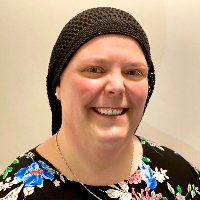
Chana Rivka Hersh
Supportive counselor for family and life challenges
- Credentials
- LPC
- Experience
- 25 years
- Licensed in
- Texas
- Languages
- English
- Format
- Online sessions
About Chana
Chana Rivka Hersh is a Licensed Professional Counselor (LPC) based in Texas who helps people facing stress, anxiety, relationship strains, trauma, grief, depression, and addictions. She also addresses family matters, parenting concerns, intimacy-related issues, eating and sleeping problems, anger, self-esteem, career shifts, bipolar disorder, ADHD, and compassion fatigue. She listens first and works with each person to clarify goals and next steps.
Hersh trained at Texas State University, earning a Master of Arts in Community Counseling with a focus on individual counseling and marriage and family therapy.
Background and approach
She has practiced since 1994 and brings long-term experience supporting people through crises and ongoing challenges. Her early work involved helping people transition from long-term psychiatric hospitalization back into the community.
Over the years she shifted focus to helping survivors of abuse and neglect and to working with people coping with severe depression, anxiety, PTSD, chronic pain, phobias, and substance or sexual addictions. She has experience with family system issues, suicidal ideation and self-harm concerns, marital conflict, and LGBTQ topics. In sessions she starts from a person-centered stance, building trust and listening closely.
From there she and the client decide on goals and choose techniques that fit. Hersh uses an integrative toolbox that can include cognitive-behavioral ideas, dialectical skills, attachment-focused work, and existential ways of looking at meaning. Clients can expect collaborative care aimed at small, practical steps and clearer direction.
Hersh emphasizes measurable outcomes and guides people toward a roadmap for change.
How her approaches guide online therapy
Attachment-Based Therapy focuses on relationships and patterns formed with caregivers. It helps people understand how those patterns affect current relationships and provides ways to form more stable connections and healthier boundaries.Cognitive Behavioral Therapy, or CBT, looks at how thoughts, feelings, and actions interact. It teaches practical skills to change unhelpful thinking and behavior, which can help with anxiety, depression, and stress-related problems.
Finding the right approach is part of the work. The therapist collaborates with each person to choose methods that match their goals, comfort, and needs. This means trying techniques, checking progress, and adjusting the plan together.
Online sessions are offered by video call, phone, live chat, or text-based messaging to provide flexibility. These options let people fit therapy into busy schedules, continue work from home, or use brief check-ins between longer sessions. Licensed professionals can use these formats to teach skills, process difficult experiences, and track progress in ways that suit each person's life.
Attachment-Based Therapy
Looks at how early bonds shaped what you expect from closeness, and how that plays out now with a partner, a parent, or your own children.
Client-Centered Therapy
The direction comes from you rather than from a set programme. The therapist offers a warm, non-judgemental space to think out loud and work at your own pace. Online, this rests on the relationship rather than on being in the same room.
Cognitive Behavioral Therapy (CBT)
CBT looks at the link between what you think, how you feel, and what you do. You work on noticing unhelpful patterns and practising steadier responses. It suits online sessions well, because much of the work happens between appointments and can be talked through from anywhere.
Frequently asked questions
What kinds of problems does she address?
How would you describe her therapeutic style?
What is her experience in counseling?
What credentials and location should I know?
Which languages are sessions offered in?
What session formats are available?
How are fees handled?
What are the first steps to begin working together?
Specialties and expertise
Top specialties
- Stress, Anxiety
- Relationship issues
- Trauma and abuse
Also works with
- Abandonment
- Addictions
- ADHD
- Aging and geriatric issues
- Anger management
- Attachment issues
- Autism and Asperger Syndrome
- Bipolar disorder
- Blended family issues
- Body image
- Cancer
- Career difficulties
- Caregiver issues and stress
- Chronic pain, illness, and disability
- Co-morbidity
- Coaching
- Codependency
- Commitment issues
- Communication problems
- Compassion fatigue
- Control issues
- Coping with life changes
- Coping with natural or human-caused disaster
- Dependent personality
- Depression
- Disruptive Mood Dysregulation Disorder (DMDD)
- Dissociation
- Divorce and separation
- Domestic violence
- Drug and alcohol addiction
- Eating and food-related issues
- Eating disorders
- Family conflicts
- Family of origin issues
- Family problems
- Fatherhood issues
- First responder issues
- Forgiveness
- Grief
- Guilt and shame
- Hospice and end-of-life counseling
- Impulsivity
- Infidelity
- Intimacy-related issues
- Isolation / loneliness
- LGBT
- Life purpose
- Midlife crisis
- Money and financial issues
- Mood disorders
- Multicultural concerns
- Narcissism
- Obsessions, compulsions, and OCD
- Panic disorder and panic attacks
- Parenting issues
- Personality disorders
- Phobias
- Post-traumatic stress
- Postpartum depression
- Pregnancy and childbirth
- Prejudice and discrimination
- Process addiction (porn, exercise, gambling)
- Seasonal Affective Disorder (SAD)
- Self esteem
- Self-harm
- Self-love
- Sex addiction
- Sexual assault and abuse
- Sexuality
- Sleeping disorders
- Smoking / vaping cessation
- Social anxiety and phobia
- Women's issues
- Workplace issues
- Young adult issues
Therapeutic approaches
- Experience
- 25 years
- Licensed
- Texas
- Languages
- English
Next step
Talk to Chana
- Takes a few minutes
- Nothing to set up just to look
- Stop at any point