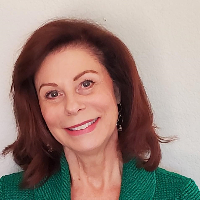
Carolyn (Lyn) Beyer
Compassionate counselor guiding practical change
- Credentials
- LPC
- Experience
- 24 years
- Licensed in
- Wisconsin
- Languages
- English
- Format
- Online sessions
About Carolyn
Carolyn (Lyn) Beyer is a Licensed Professional Counselor (LPC) in Wisconsin with a long track record helping people manage stress, anxiety, grief, depression, and trauma-related concerns. She frames therapy as a partnership and aims to guide clients through practical steps toward better coping. Her style is warm and straightforward, and she leans on several evidence-based methods to support change.
In sessions she focuses on what feels most useful to each person.
Background and approach
She often uses acceptance and commitment techniques, cognitive-behavioral tools, mindfulness practices, and emotionally-focused work. These methods help with everyday worries, big losses, and patterns that keep people stuck. Over 24 years in practice, Lyn has worked with diverse problems including addictions, relationship and intimacy issues, family dynamics, and career or life-purpose concerns.
She also offers support for issues such as abandonment, codependency, domestic violence, and compassion fatigue. Her background includes extensive clinical experience with trauma, grief, and mood disorders. Her approach is client-centered: she listens, reflects, and helps clients set realistic goals.
She balances empathy with practical steps to shift thinking and behavior. Many people find this mix useful when coping with life changes or rebuilding after hard experiences. Outside of work she is a mother and grandmother who enjoys yoga and hiking.
Lyn emphasizes the importance of the therapeutic relationship and invites a straightforward conversation about goals and next steps.
How Lyn's Approaches Work Online
Acceptance and Commitment Therapy (ACT) focuses on helping people notice difficult thoughts and feelings without getting controlled by them, and then commit to actions that reflect their values. It can be useful for anxiety, stress, and making life changes. Cognitive Behavioral Therapy (CBT) helps identify unhelpful thinking patterns and teaches concrete strategies to change them, which often helps with depression and anxiety. Emotionally-Focused Therapy (EFT) aims to clarify emotions and strengthen important connections, which can be helpful for relationship and intimacy-related concerns.Finding the right approach is a shared process. The therapist will talk with each person about goals, preferences, and what has or hasn’t worked before. Together they decide which methods to try and adjust them as needed to fit the client’s situation.
Online work uses video calls, phone sessions, live chat, or text-based messaging to make therapy flexible. These options allow sessions around busy schedules, reduce travel, and let people use the format that feels most comfortable. Licensed professionals can guide exercises, teach coping skills, and check in regularly through these formats so therapeutic work continues even when life is hectic.
Acceptance and Commitment Therapy (ACT)
Less about arguing with difficult thoughts, more about loosening their grip and acting on what matters to you anyway. Values and committed action carry the work, which suits conversation at a distance.
Client-Centered Therapy
The direction comes from you rather than from a set programme. The therapist offers a warm, non-judgemental space to think out loud and work at your own pace. Online, this rests on the relationship rather than on being in the same room.
Cognitive Behavioral Therapy (CBT)
CBT looks at the link between what you think, how you feel, and what you do. You work on noticing unhelpful patterns and practising steadier responses. It suits online sessions well, because much of the work happens between appointments and can be talked through from anywhere.
Frequently asked questions
What kinds of problems does this therapist address?
What is the therapist's general therapy style?
How much clinical experience does the therapist have?
What are the therapist's credentials and where are they licensed?
Which languages are supported for sessions?
What session formats does the therapist offer?
How is cost handled for therapy sessions?
What is the first step to begin therapy?
Specialties and expertise
Top specialties
Also works with
- Abandonment
- Addictions
- Cancer
- Career difficulties
- Coaching
- Codependency
- Communication problems
- Compassion fatigue
- Coping with life changes
- Coping with natural or human-caused disaster
- Depression
- Divorce and separation
- Domestic violence
- Eating disorders
- Emptiness
- Family conflicts
- Family of origin issues
- First responder issues
- Forgiveness
- Guilt and shame
- Intimacy-related issues
- LGBT
- Life purpose
- Midlife crisis
- Mood disorders
- Multicultural concerns
- Panic disorder and panic attacks
- Post-traumatic stress
- Relationship issues
- Self esteem
- Self-harm
- Self-love
- Sexual assault and abuse
- Social anxiety and phobia
- Women's issues
- Workplace issues
Therapeutic approaches
- Experience
- 24 years
- Licensed
- Wisconsin
- Languages
- English
Next step
Talk to Carolyn
- Takes a few minutes
- Nothing to set up just to look
- Stop at any point