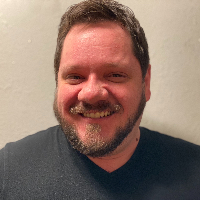
Brandon Bunker
Therapist focused on identity and relationships
- Credentials
- LCMHC, LPC
- Experience
- 11 years
- Licensed in
- Utah, Virginia
- Languages
- English
- Format
- Online sessions
About Brandon
Brandon Bunker is a licensed counselor who focuses on stress, anxiety, depression, and relationship concerns. He works with people navigating identity, sexual health, and intimacy-related issues, including LGBTQ matters and alternative sexual cultures. Brandon aims to create a calm, respectful space where clients can talk through hard emotions and practical problems.
He uses straightforward, conversational methods rather than jargon. Sessions tend to focus on building communication skills, reducing isolation, and strengthening self-esteem.
Background and approach
Brandon encourages clients to identify values and take small actions that fit their goals. Brandon holds Utah Licensed Clinical Mental Health Counselor credentials and a Virginia Licensed Professional Counselor credential. He has 11 years of experience helping people managing addiction, trauma, and family problems.
His background includes work on caregiver stress, fatherhood issues, and forgiveness work. In practice he draws on Acceptance and Commitment Therapy, Cognitive Behavioral Therapy, and Attachment-Based approaches to shape sessions. That means combining present-moment work, skill building, and attention to relational patterns that repeat over time.
Clients can expect a collaborative tone and practical next steps between meetings. Brandon often pairs emotional processing with concrete communication and coping strategies. He uses multiple formats including video calls, phone, live chat, and text-based messaging to fit different needs.
Approaches that shape online sessions
Acceptance and Commitment Therapy (ACT) helps clients identify what matters to them and take committed steps toward those values. It blends present-moment awareness with practical actions to reduce avoidance and build a more purposeful life.Cognitive Behavioral Therapy (CBT) focuses on the links between thoughts, feelings, and behaviors. It uses simple skill building to change unhelpful thinking patterns and to teach coping tools for anxiety, depression, and stress.
Attachment-Based Therapy looks at recurring relationship patterns and how early bonds affect current connections. It helps people notice how they relate to others and practice new ways of interacting that feel safer and more satisfying.
Choosing an approach is a collaborative process. The therapist will talk with each person about goals and preferences, then tailor methods to fit the situation. Changes are paced to what the client can try and sustain.
Online therapy offers flexible options like video calls, phone sessions, live chat, and text-based messaging. These formats make it easier to keep up with sessions around work, parenting, or travel. They also allow for continued work between meetings through messaging and check-ins, so therapy can fit into a busy life.
Acceptance and Commitment Therapy (ACT)
Less about arguing with difficult thoughts, more about loosening their grip and acting on what matters to you anyway. Values and committed action carry the work, which suits conversation at a distance.
Attachment-Based Therapy
Looks at how early bonds shaped what you expect from closeness, and how that plays out now with a partner, a parent, or your own children.
Client-Centered Therapy
The direction comes from you rather than from a set programme. The therapist offers a warm, non-judgemental space to think out loud and work at your own pace. Online, this rests on the relationship rather than on being in the same room.
Frequently asked questions
What kinds of concerns does Brandon address?
What is his therapy style like?
How much experience does he have?
What credentials and location are listed for him?
Which languages are available for sessions?
What session formats does he use?
How is cost handled for sessions?
How do I begin working with him?
Specialties and expertise
Top specialties
- Stress, Anxiety
- LGBT
- Relationship issues
Also works with
- Abandonment
- Addictions
- Attachment issues
- BDSM, kink, and alternative sex culture
- Career difficulties
- Caregiver issues and stress
- Codependency
- Commitment issues
- Communication problems
- Compassion fatigue
- Coping with life changes
- Coping with natural or human-caused disaster
- Depression
- Divorce and separation
- Drug and alcohol addiction
- Emptiness
- Family conflicts
- Family of origin issues
- Family problems
- Fatherhood issues
- Forgiveness
- Gender dysphoria
- Guilt and shame
- Hearing impaired
- HIV / AIDS
- Infidelity
- Intimacy-related issues
- Isolation / loneliness
- Jealousy
- Life purpose
- Men's issues
- Midlife crisis
- Mood disorders
- Multicultural concerns
- Parenting issues
- Polyamory / non-monogamous relationships
- Post-traumatic stress
- Postpartum depression
- Prejudice and discrimination
- Process addiction (porn, exercise, gambling)
- Seasonal Affective Disorder (SAD)
- Self esteem
- Self-love
- Sex addiction
- Sexual assault and abuse
- Sexuality
- Social anxiety and phobia
- Trauma and abuse
- Veteran and Armed Forces Issues
- Women's issues
- Workplace issues
- Young adult issues
Therapeutic approaches
- Acceptance and Commitment Therapy (ACT)
- Attachment-Based Therapy
- Client-Centered Therapy
- Cognitive Behavioral Therapy (CBT)
- Emotionally-Focused Therapy (EFT)
- Eye Movement Desensitization and Reprocessing (EMDR)
- Gottman Method
- Mindfulness Therapy
- Narrative Therapy
- Psychodynamic Therapy
- Solution-Focused Therapy
- Somatic Therapy
- Trauma-Focused Therapy
- Internal Family Systems
- Systemic Therapy
- Experience
- 11 years
- Licensed
- Utah, Virginia
- Languages
- English
Next step
Talk to Brandon
- Takes a few minutes
- Nothing to set up just to look
- Stop at any point