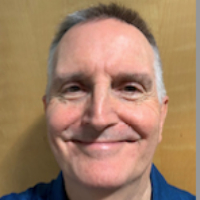
Alan Cochrane
Calm, practical guidance for life and family challenges
- Credentials
- LCMHC
- Experience
- 35 years
- Licensed in
- Utah
- Languages
- English
- Format
- Online sessions
About Alan
Alan Cochrane is a Licensed Clinical Mental Health Counselor (LCMHC) with 35 years of clinical experience. He draws on long practice to help people facing stress, anxiety, addictions, relationship strain, grief, and parenting concerns. He works from Utah and brings a grounded, straightforward presence to sessions.
He trained in psychology and counseling, and over decades has developed a practical, down-to-earth style. Sessions are warm and direct, with room for humor when it helps.
Background and approach
He encourages people to notice their inner experience and learn skills that reduce suffering. Cochrane views therapy as a shared journey. He aims to guide clients as they look inward, identify patterns that cause pain, and try new ways of responding.
That process often involves naming old wounds and testing healthier habits. His approach blends straightforward talking with focused techniques. He uses methods that help with thinking patterns, awareness, and habit change.
He also draws on therapeutic tools that work with deeper personal meaning when needed. People who come to him for help with addiction, parenting, relationship problems, or mood concerns will find practical steps and a steady presence. Sessions focus on what matters now and what can change in daily life.
The effort and curiosity clients bring are treated with respect and an expectation that growth is possible.
Approaches that fit everyday life and online care
Client-Centered Therapy focuses on creating a respectful space where the client leads the conversation. The therapist listens closely, reflects what he hears, and supports people as they clarify their own goals and values. This approach helps with building confidence and finding direction in parenting and family matters.Cognitive Behavioral Therapy, or CBT, looks at thoughts, feelings, and actions to find patterns that keep problems going. It uses practical exercises and skill building to reduce anxiety, manage mood, and change unhelpful behaviors. Clients learn tools they can use between sessions to handle stress and relationship conflicts.
Finding the right approach is something the therapist works on with each person. He will talk about goals and preferences and try methods that fit the client’s needs. That collaborative process helps decide whether to focus on skills, deeper personal meaning, or a blend of both.
Online sessions make continuing therapy possible around life’s demands. Video calls allow face-to-face conversations from home, phone sessions offer a flexible option, and live chat or text messaging can support brief check-ins and reminders. Together these formats give practical access and convenience while preserving a steady therapeutic relationship.
Client-Centered Therapy
The direction comes from you rather than from a set programme. The therapist offers a warm, non-judgemental space to think out loud and work at your own pace. Online, this rests on the relationship rather than on being in the same room.
Cognitive Behavioral Therapy (CBT)
CBT looks at the link between what you think, how you feel, and what you do. You work on noticing unhelpful patterns and practising steadier responses. It suits online sessions well, because much of the work happens between appointments and can be talked through from anywhere.
Mindfulness Therapy
Attention training: noticing thoughts and physical feelings as they arrive without being carried off by them. Much of it is practice you do yourself, so guidance over video or audio works much as it would in person.
Frequently asked questions
What concerns does he address?
What is his therapy style like?
How much experience does he have?
What are his credentials and where is he based?
Which languages are supported?
What session formats are available?
How does cost and payment work?
How do I begin therapy with him?
Specialties and expertise
Top specialties
- Stress, Anxiety
- Addictions
- Relationship issues
Also works with
- Abandonment
- ADHD
- Anger management
- Attachment issues
- Bipolar disorder
- Career difficulties
- Codependency
- Commitment issues
- Communication problems
- Compassion fatigue
- Control issues
- Coping with life changes
- Dependent personality
- Depression
- Divorce and separation
- Drug and alcohol addiction
- Emptiness
- Family conflicts
- Family of origin issues
- Family problems
- Forgiveness
- Grief
- Guilt and shame
- Impulsivity
- Infidelity
- Intimacy-related issues
- Isolation / loneliness
- Jealousy
- LGBT
- Life purpose
- Men's issues
- Midlife crisis
- Mood disorders
- Multicultural concerns
- Narcissism
- Parenting issues
- Personality disorders
- Phobias
- Prejudice and discrimination
- Process addiction (porn, exercise, gambling)
- Self esteem
- Self-harm
- Self-love
- Sex addiction
- Sexual assault and abuse
- Sexuality
- Social anxiety and phobia
- Trauma and abuse
- Workplace issues
- Young adult issues
Therapeutic approaches
- Experience
- 35 years
- Licensed
- Utah
- Languages
- English
Next step
Talk to Alan
- Takes a few minutes
- Nothing to set up just to look
- Stop at any point