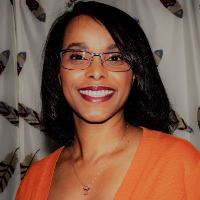
Tracey Van Dyke
Rebuild family connection with practical steps
- Credentials
- LPC
- Experience
- 11 years
- Licensed in
- Georgia
- Languages
- English
- Format
- Online sessions
About Tracey
Tracey Van Dyke is a Licensed Professional Counselor (LPC) who uses a warm, practical style to help people facing family and relationship challenges. She focuses on clear steps parents and partners can use to ease conflict, manage stress, and rebuild connection. Her approach is straightforward and goal-oriented, with attention to the problems you name first.
Tracey draws on cognitive behavioral techniques to address unhelpful thoughts and emotions. She also uses solution-focused strategies to set small, achievable goals that make daily life feel more manageable.
Background and approach
For people coping with past hurts, trauma-focused methods are available to reduce the hold of painful memories. With 11 years working in mental health, Tracey has supported people through breakup and separation, grief, caregiving stress, and work-related strain. She offers structured anger management programs as well as help for intimacy and communication problems.
Family concerns, parenting challenges, and blended family dynamics are among the areas she commonly addresses. Sessions blend practical skill-building with compassionate listening. Parents can expect concrete tools for managing behavior, improving routines, and restoring relationships.
Tracey aims to make the change process feel doable rather than overwhelming. She practices in Georgia and conducts sessions in English. Therapy sessions are available in several online formats to fit different schedules.
To begin, a short matching questionnaire and scheduling step are part of the intake process.
Therapeutic approaches for online family and relationship work
Client-centered therapy focuses on listening and building a trusting relationship, helping people feel heard while they name what matters most. This approach is useful for family conversations, parenting stress, and when emotions are raw and need validation.Cognitive behavioral therapy, or CBT, looks at the connections between thoughts, feelings, and actions. It teaches simple exercises to change unhelpful thought patterns and to develop coping skills for anxiety, depression, and daily stressors.
Emotionally-focused work helps couples and family members notice patterns that pull them apart and then practice new, safer ways of connecting. It is often used when intimacy, communication, or attachment concerns are central.
Finding the right approach is part of the process. The therapist works collaboratively to select methods that fit each person's goals, needs, and comfort level. Sessions begin with clear priorities and small steps so progress feels manageable.
Online therapy offers flexibility through video calls, phone sessions, live chat, or text-based messaging. These options make it easier to schedule around parenting duties, work, and busy family life. Many people find that being able to choose the format helps them stick with therapy and apply skills between sessions.
Client-Centered Therapy
The direction comes from you rather than from a set programme. The therapist offers a warm, non-judgemental space to think out loud and work at your own pace. Online, this rests on the relationship rather than on being in the same room.
Cognitive Behavioral Therapy (CBT)
CBT looks at the link between what you think, how you feel, and what you do. You work on noticing unhelpful patterns and practising steadier responses. It suits online sessions well, because much of the work happens between appointments and can be talked through from anywhere.
Emotionally-Focused Therapy (EFT)
Attends to the emotions underneath a recurring argument or distance, and to the attachment needs driving them. Often used where a relationship keeps returning to the same painful loop.
Frequently asked questions
What kinds of problems does she help with?
What is her therapy style like?
How long has she practiced?
Where is she licensed and what are her credentials?
Can I see a therapist in another language or from another country?
What session formats are available?
How are sessions paid for and what do they cost?
How do I begin working with her?
Specialties and expertise
Top specialties
- Stress, Anxiety
- Relationship issues
- Trauma and abuse
Also works with
- Abandonment
- ADHD
- Anger management
- Attachment issues
- Blended family issues
- Body image
- Cancer
- Career difficulties
- Caregiver issues and stress
- Codependency
- Communication problems
- Compassion fatigue
- Control issues
- Coping with life changes
- Depression
- Divorce and separation
- Domestic violence
- Emptiness
- Family conflicts
- Family of origin issues
- Family problems
- Fatherhood issues
- Forgiveness
- Grief
- Guilt and shame
- Hospice and end-of-life counseling
- Impulsivity
- Infidelity
- Intimacy-related issues
- Isolation / loneliness
- Jealousy
- Life purpose
- Multicultural concerns
- Obsessions, compulsions, and OCD
- Panic disorder and panic attacks
- Parenting issues
- Phobias
- Post-traumatic stress
- Prejudice and discrimination
- Self esteem
- Self-love
- Sexual assault and abuse
- Social anxiety and phobia
- Women's issues
- Workplace issues
- Young adult issues
Therapeutic approaches
- Experience
- 11 years
- Licensed
- Georgia
- Languages
- English
Next step
Talk to Tracey
- Takes a few minutes
- Nothing to set up just to look
- Stop at any point