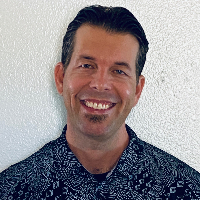
Sean Gardner
Calm, practical therapy for real life
- Credentials
- LPC, LMHC
- Experience
- 10 years
- Licensed in
- Hawaii, Arizona
- Languages
- English
- Format
- Online sessions
About Sean
Sean Gardner is a licensed professional counselor (LPC) and licensed mental health counselor (LMHC) with ten years of clinical experience. He offers straightforward, practical support for people facing stress, anxiety, depression, and other life changes. He focuses on helping clients regain a sense of balance and connection so they can move forward with clearer choices.
Gardner uses a mix of proven talk‑therapy methods tailored to each person's needs. Sessions often include skills practice, values clarification, and hands‑on tools for managing strong emotions.
Background and approach
He favors clear language and simple steps so progress feels doable between sessions. His background includes active duty service in the U.S. Navy and work as a firefighter‑paramedic.
He completed a Bachelor of Arts in Psychology at Arizona State University and earned a Master’s degree in Counseling Psychology from Chaminade University of Honolulu. These varied roles shaped his practical, real‑world approach to therapy. For several years he worked with adolescent inpatients and with Veterans Affairs on housing and social services.
More recently he has focused on online psychotherapy, helping people who need flexible, remote options for care. He maintains licensure in Arizona (AZ LPC 19450) and Hawaii (HI LMHC 613). People who want straightforward guidance, clear tools, and a calm listening presence tend to fit his style.
He can talk through relationship strain, addiction concerns, grief, parenting stress, trauma, and many other issues, always matching methods to what each client needs.
How therapy approaches translate online
Acceptance and Commitment Therapy (ACT) helps clients clarify what matters most and take small committed steps toward those values, which can ease anxiety and bring more meaning to daily life. Cognitive Behavioral Therapy (CBT) focuses on identifying unhelpful thoughts and testing them with manageable behavioral changes to reduce symptoms like worry or low mood. Dialectical Behavior Therapy (DBT) teaches concrete skills for managing intense emotions and improving relationships, often through mindfulness, distress tolerance, and emotion regulation exercises.Finding the right approach is part of the work. The therapist will listen to your goals and suggest one or a blend of methods that fit your situation. This is a collaborative process so you can try tools and give feedback about what helps most.
Online formats make these methods easier to fit into busy lives. Video calls let you have a focused session from home, while phone sessions provide a simpler option when screens aren't ideal. Live chat and text messaging offer brief check‑ins and homework support between appointments. These options aim to increase flexibility and accessibility so therapeutic work can continue whether schedules or distance make in‑person visits difficult.
Acceptance and Commitment Therapy (ACT)
Less about arguing with difficult thoughts, more about loosening their grip and acting on what matters to you anyway. Values and committed action carry the work, which suits conversation at a distance.
Client-Centered Therapy
The direction comes from you rather than from a set programme. The therapist offers a warm, non-judgemental space to think out loud and work at your own pace. Online, this rests on the relationship rather than on being in the same room.
Cognitive Behavioral Therapy (CBT)
CBT looks at the link between what you think, how you feel, and what you do. You work on noticing unhelpful patterns and practising steadier responses. It suits online sessions well, because much of the work happens between appointments and can be talked through from anywhere.
Frequently asked questions
What kinds of problems does he address?
What is his general therapy style?
What experience does he bring to sessions?
Where is he licensed and based?
Which languages are supported for therapy?
What session formats are available?
How are fees and payment handled?
How do I begin working with him?
Specialties and expertise
Top specialties
- Stress, Anxiety
- Relationship issues
- Anger management
Also works with
- Addictions
- ADHD
- Autism and Asperger Syndrome
- Bipolar disorder
- Body image
- Cancer
- Career difficulties
- Chronic pain, illness, and disability
- Codependency
- Communication problems
- Compassion fatigue
- Control issues
- Coping with life changes
- Depression
- Divorce and separation
- Eating disorders
- Emptiness
- Family conflicts
- Family problems
- First responder issues
- Forgiveness
- Grief
- Guilt and shame
- Infidelity
- Intimacy-related issues
- Isolation / loneliness
- Jealousy
- LGBT
- Life purpose
- Men's issues
- Midlife crisis
- Mood disorders
- Multicultural concerns
- Narcissism
- Obsessions, compulsions, and OCD
- Panic disorder and panic attacks
- Parenting issues
- Phobias
- Post-traumatic stress
- Prejudice and discrimination
- Seasonal Affective Disorder (SAD)
- Self esteem
- Self-love
- Sexual dysfunction
- Sexuality
- Sleeping disorders
- Social anxiety and phobia
- Trauma and abuse
- Veteran and Armed Forces Issues
- Workplace issues
- Young adult issues
Therapeutic approaches
- Experience
- 10 years
- Licensed
- Hawaii, Arizona
- Languages
- English
Next step
Talk to Sean
- Takes a few minutes
- Nothing to set up just to look
- Stop at any point