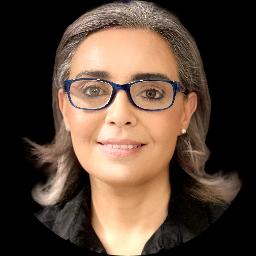
Sara Da Silva
Compassionate therapist focused on practical skills
- Credentials
- LISW-CP, LCSW
- Experience
- 3 years
- Licensed in
- North Carolina, South Carolina
- Languages
- English, Spanish, Portuguese
- Format
- Online sessions
About Sara
Sara Da Silva is a Licensed Independent Social Worker-Clinical Practice (LISW-CP) and a Licensed Clinical Social Worker (LCSW). She offers psychotherapy to adults and older adults in North Carolina. Sara works in English, Spanish, and Portuguese.
Her style is warm, interactive, and non-judgmental. She focuses on practical tools and coping skills. Sessions emphasize strengths and small, manageable steps.
Sara aims to build a collaborative relationship and listens to each person’s story.
Background and approach
She wants clients to feel supported while they try new ways of handling stress and change. Sara uses methods drawn from cognitive behavioral therapy, acceptance and commitment therapy, and other evidence-informed approaches. She tailors techniques to the concerns a person brings, such as anxiety, depression, or addiction.
The work often includes learning skills for mood regulation and healthier routines. Her background includes supporting adults facing mood disorders, substance use concerns, and life changes linked to aging. She has experience with geriatric issues like adapting to assisted living and coping with medical illness.
Sara also has experience with grief, caregiver stress, and communication or family challenges. Sessions focus on clear, practical steps - skills for coping, communication, and day-to-day functioning. People can expect a supportive conversation that points toward concrete strategies.
The aim is steady, realistic progress rather than quick fixes.
Therapeutic approaches and how they work online
Acceptance and Commitment Therapy, or ACT, focuses on helping people notice their thoughts and choose actions that match their values. It is useful for anxiety, stress, and life transitions because it emphasizes doing meaningful things even when feelings are difficult. Cognitive Behavioral Therapy, or CBT, helps identify unhelpful thinking patterns and build new habits through practical exercises. CBT is often used for anxiety, depression, and coping skills training. Emotionally-Focused Therapy concentrates on emotions and relationship patterns to improve connection and communication when interpersonal issues are central.Sara works collaboratively to find the right mix of approaches. She will talk with each person about their goals and preferences and then try methods that fit those needs. Adjustments are made over time so the plan stays useful and realistic.
Online therapy offers flexibility through video calls, phone sessions, live chat, or text-based messaging. These options make it easier to fit sessions into busy schedules and to keep continuity when life changes. Licensed professionals can guide skill practice, coach through exercises, and support progress in ways that suit how a person prefers to communicate.
Acceptance and Commitment Therapy (ACT)
Less about arguing with difficult thoughts, more about loosening their grip and acting on what matters to you anyway. Values and committed action carry the work, which suits conversation at a distance.
Client-Centered Therapy
The direction comes from you rather than from a set programme. The therapist offers a warm, non-judgemental space to think out loud and work at your own pace. Online, this rests on the relationship rather than on being in the same room.
Cognitive Behavioral Therapy (CBT)
CBT looks at the link between what you think, how you feel, and what you do. You work on noticing unhelpful patterns and practising steadier responses. It suits online sessions well, because much of the work happens between appointments and can be talked through from anywhere.
Frequently asked questions
What concerns does Sara commonly address?
What is her approach to therapy?
How much clinical experience does she have?
Where is she licensed and based?
Which languages are supported in sessions?
Are international clients accepted?
What session formats are available?
How is cost handled and how do I begin?
Specialties and expertise
Top specialties
- Stress, Anxiety
- Addictions
- Relationship issues
Also works with
- Aging and geriatric issues
- Anger management
- Bipolar disorder
- Blended family issues
- Body image
- Cancer
- Career difficulties
- Caregiver issues and stress
- Codependency
- Commitment issues
- Communication problems
- Coping with life changes
- Depression
- Disruptive Mood Dysregulation Disorder (DMDD)
- Divorce and separation
- Drug and alcohol addiction
- Eating disorders
- Family conflicts
- Family problems
- Forgiveness
- Grief
- Guilt and shame
- Immigration issues
- Infidelity
- Intimacy-related issues
- Isolation / loneliness
- Jealousy
- LGBT
- Life purpose
- Midlife crisis
- Multicultural concerns
- Panic disorder and panic attacks
- Paranoia
- Polyamory / non-monogamous relationships
- Postpartum depression
- Pregnancy and childbirth
- Prejudice and discrimination
- Process addiction (porn, exercise, gambling)
- Seasonal Affective Disorder (SAD)
- Self esteem
- Self-love
- Smoking / vaping cessation
- Trauma and abuse
- Women's issues
Therapeutic approaches
- Experience
- 3 years
- Licensed
- North Carolina, South Carolina
- Languages
- English, Spanish, Portuguese
Next step
Talk to Sara
- Takes a few minutes
- Nothing to set up just to look
- Stop at any point