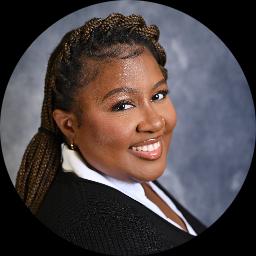
Rachel Roberts
Warm, practical counseling for life and relationships
- Credentials
- LPC
- Experience
- 10 years
- Licensed in
- Texas, Oklahoma
- Languages
- English
- Format
- Online sessions
About Rachel
Rachel Roberts is a Licensed Professional Counselor (LPC) based in Texas. She brings ten years of clinical experience and aims to make therapy a welcoming place where people can be honest without pressure. Rachel focuses on helping people who feel stuck, overwhelmed, or unsure about their next steps.
Her background includes work in intensive outpatient Dialectical Behavior Therapy (DBT) programs, a medication-assisted treatment clinic, a university counseling center, and both outpatient and residential adolescent programs.
Background and approach
Those roles shaped a flexible view of care and a belief that one method does not fit everyone. Rachel uses approaches such as Dialectical Behavior Therapy, Cognitive Behavioral Therapy, Motivational Interviewing, Imago Relationship Therapy, and Mindfulness Therapy. She pays attention to how culture, relationships, and personal history affect what someone brings to therapy.
That helps her tailor sessions to real-life concerns. People typically come for issues like anxiety, depression, trauma, addiction, grief, relationship and intimacy-related problems, self-esteem, and parenting or family stress. Rachel also works on attachment concerns, codependency, communication problems, and postpartum depression among other topics.
Her style is collaborative and direct. She will listen, ask practical questions, and suggest tools you can try between sessions. Rachel aims to help people build clearer choices, manage strong emotions, and change patterns that no longer serve them.
How therapeutic approaches translate to online care
Dialectical Behavior Therapy focuses on building skills to manage intense emotions and improve relationships. It teaches concrete strategies for distress tolerance, emotion regulation, and interpersonal effectiveness, which can be practiced between sessions to change day-to-day reactions. Cognitive Behavioral Therapy helps identify unhelpful thoughts and habits and replace them with more constructive patterns. It often uses short, task-based work such as journaling, behavior experiments, and planning small changes that add up over time. Motivational Interviewing is a collaborative way to talk about change when motivation feels mixed. It uses open questions and reflective listening to help people clarify reasons for change and commit to small, realistic steps. Finding the right approach is part of the process. Rachel will work together with each person to choose methods that fit their goals, values, and day-to-day life. That means trying tools, checking what helps, and adjusting the plan as needed. If you are considering online therapy, confirm current session options before booking since formats are set by the therapist. Online sessions can make it easier to fit therapy into a busy schedule, allow for shorter check-ins when needed, and remove travel time so therapy can happen around work, caregiving, or school commitments. Many people find it simpler to practice skills in the context of their usual routines when sessions are remote.Cognitive Behavioral Therapy (CBT)
CBT looks at the link between what you think, how you feel, and what you do. You work on noticing unhelpful patterns and practising steadier responses. It suits online sessions well, because much of the work happens between appointments and can be talked through from anywhere.
Dialectical Behavior Therapy (DBT)
Concrete skills for riding out strong emotion, tolerating distress, and handling relationships without things escalating. The skills are practised in daily life, so between-session support by message or phone fits naturally.
Mindfulness Therapy
Attention training: noticing thoughts and physical feelings as they arrive without being carried off by them. Much of it is practice you do yourself, so guidance over video or audio works much as it would in person.
Frequently asked questions
What kinds of concerns does Rachel address?
How would you describe her therapeutic style?
What is her clinical background?
What credentials and region apply to her practice?
Which languages are sessions offered in?
Can people from other countries work with her?
How are sessions scheduled and what does cost look like?
How do I begin working together?
Specialties and expertise
Top specialties
- Stress, Anxiety
- Addictions
- Relationship issues
Also works with
- Abandonment
- Attachment issues
- Career difficulties
- Codependency
- Commitment issues
- Communication problems
- Compassion fatigue
- Control issues
- Coping with life changes
- Depression
- Drug and alcohol addiction
- Family conflicts
- Family of origin issues
- Grief
- Guilt and shame
- Infidelity
- Intimacy-related issues
- LGBT
- Mood disorders
- Multicultural concerns
- Personality disorders
- Post-traumatic stress
- Postpartum depression
- Prejudice and discrimination
- Self esteem
- Self-harm
- Self-love
- Sexual assault and abuse
- Trauma and abuse
- Women's issues
- Workplace issues
- Young adult issues
Therapeutic approaches
- Experience
- 10 years
- Licensed
- Texas, Oklahoma
- Languages
- English
Next step
Talk to Rachel
- Takes a few minutes
- Nothing to set up just to look
- Stop at any point