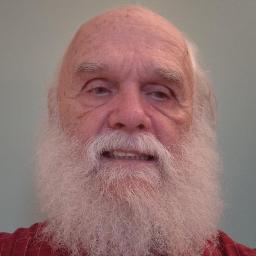
Preston Page
Compassionate, practical help for life’s challenges
- Credentials
- LCSW
- Experience
- 35 years
- Licensed in
- Virginia, North Carolina
- Languages
- English
- Format
- Online sessions
About Preston
Preston Page is a licensed clinical social worker who uses a clear, practical style to help people manage stress and life changes. He draws on Acceptance and Commitment Therapy and Cognitive Behavioral Therapy to teach simple skills for anxiety, mood problems, and difficult habits. Sessions are conversational and focused on what a person wants to change now.
He brings 35 years of experience across independent practice, community mental health, inpatient mental health, and substance abuse settings.
Background and approach
That range informs a straightforward, problem-solving approach. He listens for values and goals, then helps shape small steps that line up with them. Preston often uses Client-Centered Therapy to create a respectful, nonjudgmental space.
He combines that with motivational interviewing when someone needs help building readiness for change. Those methods support work on eating concerns, addictions, and coping with grief or trauma. He also draws on existential themes when people ask big questions about meaning, purpose, and life transitions.
That work is practical and grounded, not abstract. It aims to help people make choices that feel honest and useful. A Vietnam veteran with long military service, he has worked with service members in several settings.
He lives in Virginia, is married, and is a parent and grandparent. His background gives him familiarity with a wide range of life situations and practical stresses.
Therapeutic approaches adapted for online care
Acceptance and Commitment Therapy (ACT) helps people notice unhelpful thoughts and reconnect with what matters to them. It focuses on small, doable steps that align with personal values and is useful for anxiety, depression, and life transitions. Cognitive Behavioral Therapy (CBT) looks at the link between thoughts, feelings, and behaviors and teaches concrete skills to reduce symptoms and change patterns. Client-Centered Therapy centers the conversation on the person’s experience, offering empathy and support while the client leads the pace and topics.Finding the right mix of approaches is part of the work. Preston treats this as a collaborative process, checking in about what feels helpful and adjusting methods to fit each person’s goals and preferences. The aim is to build a plan together that feels realistic and relevant.
Online sessions let people use video calls, phone sessions, live chat, or text-based messaging depending on what fits their life. This flexibility makes it easier to keep therapy consistent around work, family, or health needs. It also lets the therapist practice the same ACT, CBT, and client-centered tools in ways that work over distance, focusing on skills, values, and immediate next steps.
Acceptance and Commitment Therapy (ACT)
Less about arguing with difficult thoughts, more about loosening their grip and acting on what matters to you anyway. Values and committed action carry the work, which suits conversation at a distance.
Client-Centered Therapy
The direction comes from you rather than from a set programme. The therapist offers a warm, non-judgemental space to think out loud and work at your own pace. Online, this rests on the relationship rather than on being in the same room.
Cognitive Behavioral Therapy (CBT)
CBT looks at the link between what you think, how you feel, and what you do. You work on noticing unhelpful patterns and practising steadier responses. It suits online sessions well, because much of the work happens between appointments and can be talked through from anywhere.
Frequently asked questions
What concerns does Preston address?
How would you describe his therapeutic style?
What experience does he bring to sessions?
Where is he licensed and located?
Which languages are supported for sessions?
What session formats are offered?
How are sessions paid for?
How do I begin working with him?
Specialties and expertise
Top specialties
- Stress, Anxiety
- Eating disorders
- Self esteem
Also works with
- Addictions
- Aging and geriatric issues
- Anger management
- BDSM, kink, and alternative sex culture
- Bipolar disorder
- Career difficulties
- Chronic pain, illness, and disability
- Compassion fatigue
- Coping with life changes
- Coping with natural or human-caused disaster
- Dependent personality
- Depression
- Emptiness
- Family conflicts
- Family of origin issues
- Forgiveness
- Gender dysphoria
- Grief
- Guilt and shame
- Hearing impaired
- Hospice and end-of-life counseling
- Infidelity
- Intimacy-related issues
- Isolation / loneliness
- LGBT
- Life purpose
- Men's issues
- Midlife crisis
- Mood disorders
- Polyamory / non-monogamous relationships
- Prejudice and discrimination
- Relationship issues
- Seasonal Affective Disorder (SAD)
- Self-love
- Sexuality
- Sleeping disorders
- Social anxiety and phobia
- Trauma and abuse
- Trichotillomania
- Veteran and Armed Forces Issues
Therapeutic approaches
- Experience
- 35 years
- Licensed
- Virginia, North Carolina
- Languages
- English
Next step
Talk to Preston
- Takes a few minutes
- Nothing to set up just to look
- Stop at any point