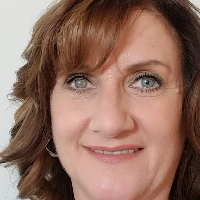
Phyllis Smith
Compassionate family-focused therapy
- Credentials
- LMFT
- Experience
- 5 years
- Licensed in
- North Carolina
- Languages
- English
- Format
- Online sessions
About Phyllis
Phyllis Smith is a Licensed Marriage and Family Therapist (LMFT) who focuses on practical, straightforward support for people facing relationship and family concerns. She centers sessions on what matters to each person - their goals, values, and everyday struggles. Phyllis uses a collaborative style and draws on strengths clients already have to help them make real changes.
She brings five years of clinical experience and has worked with a wide range of people.
Background and approach
Sessions are aimed at building coping skills, improving communication, and reducing distress from issues such as anxiety, depression, grief, addictions, and parenting challenges. Phyllis pays attention to how people connect with family and partners and looks for patterns that affect wellbeing. Her approach combines client-centered listening with practical tools from cognitive behavioral therapy and relationship-focused methods.
She also uses mindfulness techniques to help people manage stress and stay present. Treatment plans are adjusted to fit each situation rather than following one set method. Phyllis emphasizes a strengths-based outlook.
She helps clients name the resources they already have and try small changes that add up over time. In sessions she balances support with gentle challenge so people can practice new ways of thinking and behaving. Clients meet with a licensed professional who works from North Carolina.
Sessions are offered in English and include video calls, phone sessions, live chat, and text-based messaging. Therapy is arranged through a subscription that can be canceled at any time.
Therapeutic approaches for online family and relationship work
Client-centered therapy focuses on listening closely and respecting each person’s goals. It helps people feel heard and supports self-directed change by using the client’s own strengths and values to guide work.Cognitive Behavioral Therapy, or CBT, teaches practical skills to change unhelpful thoughts and behaviors. It is useful for anxiety, depression, stress, and for building coping tools that fit daily life.
The therapist will work together with each person to choose the best approach. That means talking about needs, testing methods, and adjusting the plan over time. This collaborative process helps match techniques to the client’s goals and preferences.
Online therapy offers flexible ways to meet. Sessions can take place via video calls, by phone, through live chat, or with text-based messaging. These formats make it easier to fit sessions around family schedules and to keep momentum between meetings while still maintaining regular contact with a licensed professional.
Client-Centered Therapy
The direction comes from you rather than from a set programme. The therapist offers a warm, non-judgemental space to think out loud and work at your own pace. Online, this rests on the relationship rather than on being in the same room.
Cognitive Behavioral Therapy (CBT)
CBT looks at the link between what you think, how you feel, and what you do. You work on noticing unhelpful patterns and practising steadier responses. It suits online sessions well, because much of the work happens between appointments and can be talked through from anywhere.
Existential Therapy
Takes the larger questions seriously: meaning, choice, mortality, responsibility. Suited to periods when the difficulty is less a symptom than a sense that something has to change.
Frequently asked questions
What kinds of problems does she help with?
What is her style of therapy like?
How much clinical experience does she have?
What credentials and location are listed?
Which languages are supported?
Can international clients work with her?
What session formats are available?
How does cost and getting started work?
Specialties and expertise
Top specialties
- Stress, Anxiety
- Relationship issues
- Family conflicts
Also works with
- Abandonment
- Addictions
- ADHD
- Anger management
- Attachment issues
- Autism and Asperger Syndrome
- Bipolar disorder
- Blended family issues
- Body image
- Career difficulties
- Caregiver issues and stress
- Co-morbidity
- Commitment issues
- Communication problems
- Control issues
- Coping with life changes
- Coping with natural or human-caused disaster
- Depression
- Divorce and separation
- Emptiness
- Family of origin issues
- Family problems
- Fatherhood issues
- First responder issues
- Forgiveness
- Gender dysphoria
- Grief
- Guilt and shame
- Hospice and end-of-life counseling
- Impulsivity
- Infidelity
- Intimacy-related issues
- Isolation / loneliness
- Jealousy
- LGBT
- Life purpose
- Midlife crisis
- Mood disorders
- Obsessions, compulsions, and OCD
- Panic disorder and panic attacks
- Parenting issues
- Phobias
- Post-traumatic stress
- Postpartum depression
- Pregnancy and childbirth
- Prejudice and discrimination
- Seasonal Affective Disorder (SAD)
- Self esteem
- Self-harm
- Self-love
- Trauma and abuse
- Veteran and Armed Forces Issues
- Women's issues
- Workplace issues
Therapeutic approaches
- Experience
- 5 years
- Licensed
- North Carolina
- Languages
- English
Next step
Talk to Phyllis
- Takes a few minutes
- Nothing to set up just to look
- Stop at any point