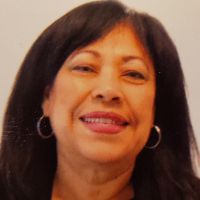
Dr. Pamela Vernon Stewart
Experienced counselor for life and family challenges
- Credentials
- LCPC
- Experience
- 24 years
- Licensed in
- Illinois
- Languages
- English
- Format
- Online sessions
About Pamela
Dr. Pamela Vernon Stewart is a licensed clinical professional counselor with 24 years of experience. She earned a Doctor of Psychology (Psy.D.) and trained in health psychology.
Dr. Stewart practices in Illinois and offers care in English. Her background includes hospital, residential, and outpatient settings and she has worked extensively with adults 18 and older.
She focuses on practical help for stress, anxiety, depression, addiction, trauma and abuse, and parenting concerns among many others.
Background and approach
Sessions are collaborative and person-centered. She aims to hear what matters most and to build steps that fit each person’s life. Her approach combines evidence-based tools such as cognitive behavioral techniques and dialectical behavior methods with emotionally focused work and client-centered listening.
She also uses eye movement desensitization and reprocessing when trauma processing is appropriate. The work blends skills training with attention to feelings and relationships. Dr.
Stewart emphasizes creating a clear plan together. That plan may include coping skills for anger, strategies for sleep or eating concerns, help managing grief, or support for coping with life changes and caregiving stress. She takes a whole-person view that looks at mind, body, and context.
Her style is warm and interactive. In sessions she offers steady guidance, practical interventions, and support for problem solving. Parents and others who want straightforward help with family and parenting-related pressures may find her approach helpful.
Approaches that translate well to online care
Client-Centered Therapy focuses on listening and building a trusting working relationship so clients feel heard and understood; it helps when someone needs a supportive space to talk through life and parenting pressures. Cognitive Behavioral Therapy, or CBT, teaches practical skills to change unhelpful thoughts and behaviors and is often used for anxiety, depression, sleep and eating concerns. Eye Movement Desensitization and Reprocessing, EMDR, is a trauma-focused method that helps reprocess distressing memories and can be adapted for remote sessions when appropriate.Finding the right approach is a shared process. The therapist will discuss goals, preferences, and needs and may blend methods to suit each person. Clients and the therapist decide together which tools to try and how to pace the work over video, phone, chat, or text.
Online sessions offer real flexibility for busy lives. Video calls allow face-to-face conversation without travel, phone sessions fit when video is not possible, and live chat or text-based messaging can support brief check-ins, skill practice, or ongoing support between meetings. These options make it easier to fit therapy into parent schedules and to keep progress moving despite day-to-day demands.
Client-Centered Therapy
The direction comes from you rather than from a set programme. The therapist offers a warm, non-judgemental space to think out loud and work at your own pace. Online, this rests on the relationship rather than on being in the same room.
Cognitive Behavioral Therapy (CBT)
CBT looks at the link between what you think, how you feel, and what you do. You work on noticing unhelpful patterns and practising steadier responses. It suits online sessions well, because much of the work happens between appointments and can be talked through from anywhere.
Dialectical Behavior Therapy (DBT)
Concrete skills for riding out strong emotion, tolerating distress, and handling relationships without things escalating. The skills are practised in daily life, so between-session support by message or phone fits naturally.
Frequently asked questions
What concerns does she address?
What is her general therapy style?
How much clinical experience does she have?
What are her credentials and location?
Which languages are supported and can she work internationally?
What session formats are available?
How does payment work and what does it cost?
How do I begin working with her?
Specialties and expertise
Top specialties
- Stress, Anxiety
- Family conflicts
- Trauma and abuse
Also works with
- Abandonment
- Addictions
- ADHD
- Aging and geriatric issues
- Anger management
- Attachment issues
- Bipolar disorder
- Blended family issues
- Body image
- Cancer
- Career difficulties
- Caregiver issues and stress
- Chronic pain, illness, and disability
- Co-morbidity
- Codependency
- Commitment issues
- Communication problems
- Compassion fatigue
- Control issues
- Coping with life changes
- Coping with natural or human-caused disaster
- Dependent personality
- Depression
- Dissociation
- Divorce and separation
- Drug and alcohol addiction
- Eating disorders
- Emptiness
- Forgiveness
- Grief
- Guilt and shame
- Impulsivity
- Intimacy-related issues
- Isolation / loneliness
- LGBT
- Life purpose
- Men's issues
- Midlife crisis
- Money and financial issues
- Mood disorders
- Narcissism
- Obsessions, compulsions, and OCD
- Panic disorder and panic attacks
- Parenting issues
- Phobias
- Post-traumatic stress
- Postpartum depression
- Pregnancy and childbirth
- Prejudice and discrimination
- Relationship issues
- Seasonal Affective Disorder (SAD)
- Self esteem
- Self-harm
- Self-love
- Sex addiction
- Sexual assault and abuse
- Sexual dysfunction
- Sexuality
- Sleeping disorders
- Social anxiety and phobia
- Somatization
- Trichotillomania
- Women's issues
- Workplace issues
- Young adult issues
Therapeutic approaches
- Experience
- 24 years
- Licensed
- Illinois
- Languages
- English
Next step
Talk to Pamela
- Takes a few minutes
- Nothing to set up just to look
- Stop at any point