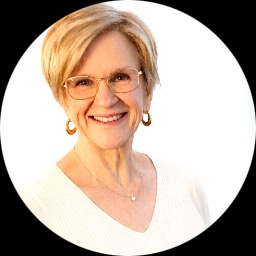
Dr. Mary Neal
Compassionate therapist with practical tools
- Credentials
- LMFT
- Experience
- 26 years
- Licensed in
- Florida, North Carolina
- Languages
- English
- Format
- Online sessions
About Mary
Dr. Mary Neal is a licensed marriage and family therapist with 26 years of clinical experience. She practices in North Carolina and draws on long experience helping people navigate relationship strain, trauma, parenting questions, and big life changes.
Dr. Neal aims to create a steady, respectful space where clients can talk through problems and build practical skills. Her style is collaborative and down-to-earth.
She listens first, then suggests tools that fit each person’s situation.
Background and approach
Sessions often include clear practices to manage stress, improve communication, and rebuild trust. Expect straightforward explanations and step-by-step strategies rather than vague theory. Dr.
Neal uses several well-established therapy approaches. She blends techniques from cognitive behavioral therapy to spot unhelpful thinking, attachment-based work to address relational patterns, and the Gottman Method for practical relationship skills. Acceptance and Commitment Therapy ideas also show up when helping clients accept difficult feelings and make values-based choices.
Across issues like self-esteem, coping with illness or caregiving stress, abandonment, or adoption and foster care concerns, she centers the client’s goals. Work is paced to match readiness and real-life constraints. Progress is measured in small, noticeable changes rather than quick fixes.
People who prefer clear direction and a warm, respectful therapist often find her approach useful. She emphasizes building tools that can be used between sessions and tailoring plans so they fit daily life in North Carolina and beyond.
How these approaches translate to online care
Acceptance and Commitment Therapy (ACT) helps people notice painful thoughts and feelings without getting stuck in them, then commit to actions that match what matters to them. It is useful for coping with life changes, chronic stress, and low mood. Attachment-Based Therapy looks at how early relationship patterns affect trust and closeness now, and uses gentle exercises to improve connection and safety in relationships.Choosing the right approach is part of the work together. The therapist will listen to your goals, try a few techniques, and adjust based on what helps. That collaborative process aims to find methods that fit your needs, preferences, and daily life.
Online sessions offer flexibility while keeping the same therapeutic focus. Video calls allow face-to-face conversation and guided exercises, phone sessions can be easier for tight schedules, and live chat or text messaging make brief check-ins and between-session support possible. These options help people maintain continuity of care and access therapy from home or other convenient locations.
Acceptance and Commitment Therapy (ACT)
Less about arguing with difficult thoughts, more about loosening their grip and acting on what matters to you anyway. Values and committed action carry the work, which suits conversation at a distance.
Attachment-Based Therapy
Looks at how early bonds shaped what you expect from closeness, and how that plays out now with a partner, a parent, or your own children.
Client-Centered Therapy
The direction comes from you rather than from a set programme. The therapist offers a warm, non-judgemental space to think out loud and work at your own pace. Online, this rests on the relationship rather than on being in the same room.
Frequently asked questions
What concerns does she address?
How would you describe her therapy style?
What training and background does she have?
What credentials and location are listed?
In which languages can sessions be held?
What session formats are available?
How does payment and cost work?
How do I begin working with this therapist?
Specialties and expertise
Top specialties
- Relationship issues
- Trauma and abuse
- Parenting issues
Also works with
- Abandonment
- Adoption and foster care
- Aging and geriatric issues
- Attachment issues
- Avoidant personality
- Blended family issues
- Caregiver issues and stress
- Chronic pain, illness, and disability
- Codependency
- Commitment issues
- Communication problems
- Control issues
- Coping with life changes
- Coping with natural or human-caused disaster
- Dependent personality
- Dissociation
- Divorce and separation
- Domestic violence
- Eating and food-related issues
- Emptiness
- Family of origin issues
- Family problems
- Fatherhood issues
- Forgiveness
- Guilt and shame
- Hospice and end-of-life counseling
- Impulsivity
- Infidelity
- Isolation / loneliness
- Jealousy
- Life purpose
- Men's issues
- Midlife crisis
- Money and financial issues
- Obsessions, compulsions, and OCD
- Panic disorder and panic attacks
- Polyamory / non-monogamous relationships
- Post-traumatic stress
- Postpartum depression
- Pregnancy and childbirth
- Prejudice and discrimination
- Process addiction (porn, exercise, gambling)
- Self esteem
- Self-love
- Sex addiction
- Sexual assault and abuse
- Sexuality
- Social anxiety and phobia
- Women's issues
- Workplace issues
- Young adult issues
Therapeutic approaches
- Acceptance and Commitment Therapy (ACT)
- Attachment-Based Therapy
- Client-Centered Therapy
- Cognitive Behavioral Therapy (CBT)
- Gottman Method
- Mindfulness Therapy
- Motivational Interviewing
- Narrative Therapy
- Psychodynamic Therapy
- Solution-Focused Therapy
- Trauma-Focused Therapy
- Internal Family Systems
- Systemic Therapy
- Experience
- 26 years
- Licensed
- Florida, North Carolina
- Languages
- English
Next step
Talk to Mary
- Takes a few minutes
- Nothing to set up just to look
- Stop at any point