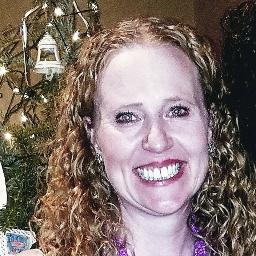
Mary Creamer-Tate
Calm, practical support for family and life stress
- Credentials
- LCSW
- Experience
- 3 years
- Licensed in
- Illinois
- Languages
- English
- Format
- Online sessions
About Mary
Mary Creamer-Tate is a licensed clinical social worker who aims to make starting therapy feel manageable. She speaks English and works from Illinois. She emphasizes listening first and meeting people where they are so they can take small, practical steps forward.
Her approach centers on the client's experience and strengths. She uses clear, structured methods like cognitive behavioral therapy to address anxious thoughts and solution-focused strategies to set short-term goals.
Background and approach
Trauma-focused work is available for processing past hurts at a pace that feels safe. Mary has three years of professional experience as an LCSW, Illinois license number IL LCSW 149.013054. She has helped people facing stress, anxiety, depression, grief, addiction concerns, and a broad range of life changes.
Her background includes work with intimate and identity-related issues, caregiver stress, and challenges around parenting and family dynamics. In sessions she favors practical tools over jargon. That can mean breaking problems into manageable parts, trying a new coping skill, or planning one clear step to try between meetings.
Communication is collaborative; she encourages feedback so therapy stays aligned with what a person needs. Therapy is offered through video calls, phone sessions, live chat, or text-based messaging. Costs vary with location and use a subscription model that can be canceled at any time.
To begin, a person completes a short matching questionnaire and schedules a session based on availability.
How Mary Uses Practical Approaches Online
Client-centered work means the conversation starts with what matters most to the person. The therapist listens without judgment and follows the client’s priorities while offering gentle guidance. This approach helps when someone needs space to tell their story and name goals.Cognitive behavioral therapy, or CBT, focuses on identifying unhelpful thoughts and testing new behaviors. It is useful for anxiety, low mood, and situations where changing thinking patterns can reduce distress. Sessions often include simple exercises to try between meetings.
Solution-focused methods target quick, realistic changes. Mary helps people set small goals and notice what is already working. This can be a good fit for stress, relationship concerns, and parenting challenges where short-term steps matter.
Choosing the right approach is a team effort. The therapist will talk through options and adjust methods based on a person’s needs, goals, and comfort level. That way the plan grows from what the client finds helpful.
Online therapy offers flexibility through video calls, phone sessions, live chat, or text-based messaging. These formats make it easier to fit sessions into busy family schedules, reduce travel, and allow follow-up between meetings. The variety of options helps people stay connected to therapy in ways that suit their life.
Client-Centered Therapy
The direction comes from you rather than from a set programme. The therapist offers a warm, non-judgemental space to think out loud and work at your own pace. Online, this rests on the relationship rather than on being in the same room.
Cognitive Behavioral Therapy (CBT)
CBT looks at the link between what you think, how you feel, and what you do. You work on noticing unhelpful patterns and practising steadier responses. It suits online sessions well, because much of the work happens between appointments and can be talked through from anywhere.
Solution-Focused Therapy
Rather than examining the problem at length, this looks at what is already working and builds on it. Sessions tend to be practical and forward-looking, with small achievable steps, which translates readily to shorter online conversations.
Frequently asked questions
What problems does Mary address in sessions?
What is her therapeutic style like?
How much clinical experience does she have?
Where is Mary licensed to practice?
Which languages are offered for sessions?
What session formats are available?
How does pricing work?
How do I start a therapy relationship?
Specialties and expertise
Top specialties
- Stress, Anxiety
- LGBT
- Relationship issues
Also works with
- Abandonment
- Addictions
- ADHD
- Adoption and foster care
- Aging and geriatric issues
- Anger management
- Attachment issues
- Avoidant personality
- Bipolar disorder
- Blended family issues
- Body image
- Career difficulties
- Caregiver issues and stress
- Chronic pain, illness, and disability
- Co-morbidity
- Codependency
- Commitment issues
- Communication problems
- Compassion fatigue
- Control issues
- Coping with life changes
- Coping with natural or human-caused disaster
- Depression
- Disruptive Mood Dysregulation Disorder (DMDD)
- Divorce and separation
- Domestic violence
- Drug and alcohol addiction
- Eating disorders
- Emptiness
- Family conflicts
- Family of origin issues
- Family problems
- Fatherhood issues
- Forgiveness
- Grief
- Guilt and shame
- HIV / AIDS
- Impulsivity
- Infidelity
- Intimacy-related issues
- Isolation / loneliness
- Jealousy
- Life purpose
- Money and financial issues
- Mood disorders
- Obsessions, compulsions, and OCD
- Panic disorder and panic attacks
- Paranoia
- Parenting issues
- Personality disorders
- Post-traumatic stress
- Postpartum depression
- Pregnancy and childbirth
- Prejudice and discrimination
- Process addiction (porn, exercise, gambling)
- Seasonal Affective Disorder (SAD)
- Self esteem
- Self-love
- Sexual assault and abuse
- Sexuality
- Sleeping disorders
- Social anxiety and phobia
- Trauma and abuse
- Women's issues
- Workplace issues
- Young adult issues
Therapeutic approaches
- Experience
- 3 years
- Licensed
- Illinois
- Languages
- English
Next step
Talk to Mary
- Takes a few minutes
- Nothing to set up just to look
- Stop at any point