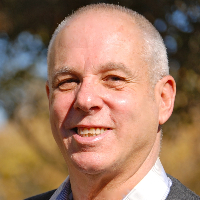
Gary Zarchy
Calm guidance to build lasting skills
- Credentials
- LPC
- Experience
- 25 years
- Licensed in
- Arizona
- Languages
- English
- Format
- Online sessions
About Gary
Gary Zarchy is a Licensed Professional Counselor (LPC) with 25 years of experience. He centers sessions on the client's own strengths and choices and acts as guide, teacher, and advocate. He aims to help people gain skills and confidence so they can meet their goals and eventually move on from therapy.
Gary has worked broadly in areas such as substance use, anxiety, depression, trauma, grief, relationship issues, and LGBTQ concerns.
Background and approach
He also brings experience with career questions, anger, self-esteem, and coping with life changes. His background includes work with hospice and end-of-life counseling and issues such as codependency and family of origin problems. He holds a master’s degree from the University of Phoenix and has taught in the university counseling department for the last eighteen years, both in-person and online.
That teaching informs his practice and keeps his approach practical and skills-focused. In sessions he draws on client-centered methods, cognitive behavioral strategies, existential thinking, EMDR for trauma processing, and mindfulness practices. He uses motivational interviewing when readiness for change is central.
Gary aims for clear tools and real progress rather than jargon. People who come to him can expect a collaborative process. He listens, offers feedback, and helps people try small changes between meetings.
The overall goal is to build the skills needed so therapy is no longer required.
How Gary’s approaches translate to online therapy
Client-centered therapy focuses on listening and reflecting so clients feel heard and understood; online sessions use that same stance to help people explore goals, values, and choices. Cognitive Behavioral Therapy, or CBT, breaks problems into thoughts, feelings, and actions and teaches specific skills to change unhelpful patterns; it works well for anxiety, depression, and stress when adapted to video or phone formats.Choosing a method is a collaborative process. The therapist will talk with each person about what feels most useful and try approaches that match goals and preferences. That may mean practicing CBT skills between sessions, using mindfulness exercises during a call, or bringing EMDR techniques into trauma work when appropriate.
Online options provide flexibility for different schedules and needs. Video calls allow face-to-face interaction, phone sessions remove travel time, and live chat or text-based messaging offer quick check-ins or ongoing support between appointments. These formats make it easier to fit skill-building and regular check-ins into a busy life while keeping the focus on practical steps and progress.
Client-Centered Therapy
The direction comes from you rather than from a set programme. The therapist offers a warm, non-judgemental space to think out loud and work at your own pace. Online, this rests on the relationship rather than on being in the same room.
Cognitive Behavioral Therapy (CBT)
CBT looks at the link between what you think, how you feel, and what you do. You work on noticing unhelpful patterns and practising steadier responses. It suits online sessions well, because much of the work happens between appointments and can be talked through from anywhere.
Existential Therapy
Takes the larger questions seriously: meaning, choice, mortality, responsibility. Suited to periods when the difficulty is less a symptom than a sense that something has to change.
Frequently asked questions
What issues does Gary address in therapy?
What style of therapy does he use?
How much experience does he have?
What credentials and location are listed?
Which languages are supported for sessions?
How are sessions delivered online?
What does therapy cost?
How do I begin the process?
Specialties and expertise
Top specialties
Also works with
- Aging and geriatric issues
- Anger management
- Antisocial personality
- Bipolar disorder
- Career difficulties
- Co-morbidity
- Coaching
- Codependency
- Communication problems
- Compassion fatigue
- Coping with life changes
- Depression
- Divorce and separation
- Drug and alcohol addiction
- Emptiness
- Family conflicts
- Family of origin issues
- First responder issues
- Forgiveness
- Gender dysphoria
- Grief
- Guilt and shame
- HIV / AIDS
- Hospice and end-of-life counseling
- Infidelity
- Intimacy-related issues
- Isolation / loneliness
- Life purpose
- Men's issues
- Midlife crisis
- Mood disorders
- Multicultural concerns
- Panic disorder and panic attacks
- Post-traumatic stress
- Prejudice and discrimination
- Process addiction (porn, exercise, gambling)
- Relationship issues
- Self esteem
- Self-love
- Sexuality
- Social anxiety and phobia
- Trauma and abuse
Therapeutic approaches
- Experience
- 25 years
- Licensed
- Arizona
- Languages
- English
Next step
Talk to Gary
- Takes a few minutes
- Nothing to set up just to look
- Stop at any point