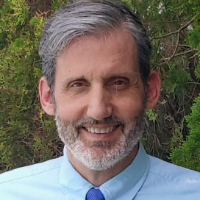
Benjamin 'Ben' Galloso
Compassionate social worker using practical therapies
- Credentials
- LICSW, LCSW
- Experience
- 14 years
- Licensed in
- Florida, District of Columbia
- Languages
- English, Spanish
- Format
- Online sessions
About Benjamin
Benjamin 'Ben' Galloso is a licensed clinical social worker who blends warm, client-centered conversation with practical tools. He uses a mix of talk therapy and occasional light hypnotherapy when helpful. Ben brings 14 years of experience and works from Florida, speaking both English and Spanish.
He focuses on worries that often show up around stress, anxiety, depression, addiction, and relationship strain. He also addresses issues such as self-esteem, trauma and grief, intimacy concerns, ADHD, and career stress.
Background and approach
His background includes work with LGBT issues and a range of attachment and family of origin concerns. In sessions he pays attention to thoughts, feelings, bodily signals, and coping patterns. He helps clients notice what is working and what keeps them stuck.
When both agree it could help, he adds brief hypnotherapy to support regular talking therapy. For addiction and compulsive behaviors he integrates SMART Recovery methods alongside looking at underlying pain and avoidance. He is familiar with 12-Step approaches and uses strategies aimed at helping people become more present and move toward recovery.
Ben also brings formal theological training across multiple faiths and spiritual traditions. He respects each client’s way of finding meaning and can include spiritual concerns in planning. He tailors sessions and goals to each person’s needs and preferences.
How therapeutic approaches translate to online work
Client-Centered Therapy focuses on listening and following the client’s lead. The therapist creates a respectful space, reflects what the client shares, and helps people make their own choices about change. This approach is useful for general life stress, identity questions, and emotional support.Cognitive Behavioral Therapy, or CBT, looks at how thoughts influence feelings and actions. It uses clear, practical exercises to test unhelpful thoughts and build new coping skills. CBT is often helpful for anxiety, depression, and patterns that drive unwanted behaviors.
Emotionally-Focused Therapy, EFT, helps people notice and shift emotional patterns in relationships and attachment. It supports deeper emotional expression and reconnecting with important feelings that can lead to more stable bonds.
Finding the right approach is part of the work. The therapist will talk with the client about goals, needs, and preferences and recommend methods that fit. This is a collaborative process and can change as progress is made.
Online therapy through video calls, phone sessions, live chat, or text-based messaging offers flexibility for busy schedules and different comfort levels. These options let therapy happen from home or another convenient place, make it easier to fit sessions into daily life, and allow continuity when in-person meetings are not possible. Licensed professionals can adapt these formats to deliver the same therapeutic techniques used in traditional sessions.
Client-Centered Therapy
The direction comes from you rather than from a set programme. The therapist offers a warm, non-judgemental space to think out loud and work at your own pace. Online, this rests on the relationship rather than on being in the same room.
Cognitive Behavioral Therapy (CBT)
CBT looks at the link between what you think, how you feel, and what you do. You work on noticing unhelpful patterns and practising steadier responses. It suits online sessions well, because much of the work happens between appointments and can be talked through from anywhere.
Emotionally-Focused Therapy (EFT)
Attends to the emotions underneath a recurring argument or distance, and to the attachment needs driving them. Often used where a relationship keeps returning to the same painful loop.
Frequently asked questions
What kinds of problems does this therapist address?
What is his general therapy style?
How long has he practiced as a therapist?
Which credentials and location are listed?
Which languages are offered for sessions?
What session formats are available?
How are fees and billing handled?
How do I begin working with this therapist?
Specialties and expertise
Top specialties
Also works with
- Abandonment
- ADHD
- Anger management
- Attachment issues
- BDSM, kink, and alternative sex culture
- Bipolar disorder
- Body image
- Career difficulties
- Codependency
- Communication problems
- Compassion fatigue
- Coping with life changes
- Depression
- Drug and alcohol addiction
- Emptiness
- Family conflicts
- Family of origin issues
- Gender dysphoria
- Grief
- Guilt and shame
- HIV / AIDS
- Infidelity
- Intimacy-related issues
- Isolation / loneliness
- Life purpose
- Men's issues
- Midlife crisis
- Money and financial issues
- Mood disorders
- Multicultural concerns
- Obsessions, compulsions, and OCD
- Phobias
- Polyamory / non-monogamous relationships
- Post-traumatic stress
- Prejudice and discrimination
- Process addiction (porn, exercise, gambling)
- Relationship issues
- Seasonal Affective Disorder (SAD)
- Self esteem
- Self-harm
- Self-love
- Sex addiction
- Sexuality
- Smoking / vaping cessation
- Social anxiety and phobia
- Trauma and abuse
- Workplace issues
- Young adult issues
Therapeutic approaches
- Experience
- 14 years
- Licensed
- Florida, District of Columbia
- Languages
- English, Spanish
Next step
Talk to Benjamin
- Takes a few minutes
- Nothing to set up just to look
- Stop at any point