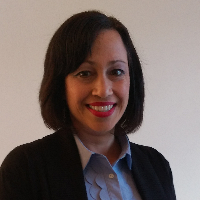
Aparna Bell
Helping people change patterns and feel steadier
- Credentials
- LPCC
- Experience
- 13 years
- Licensed in
- California
- Languages
- English
- Format
- Online sessions
About Aparna
Aparna Bell is a Licensed Professional Clinical Counselor (LPCC) based in California. She brings 13 years of clinical experience supporting people facing stress, anxiety, depression, addiction, and relationship challenges. Her style is warm, direct, and engaged, and she focuses on helping clients notice and change patterns that get in the way of daily life.
Aparna values clear communication and practical steps that fit each person’s situation. Aparna trained in rehabilitation counseling and has worked in outpatient and residential settings that addressed both mental health and substance use.
Background and approach
She combines person-centered care with thoughtful use of cognitive-behavioral ideas to help identify unhelpful thoughts and habits. In sessions she listens reflectively and looks for recurring themes that keep problems alive. She also integrates psychodynamic thinking to uncover underlying issues and uses motivational interviewing when people face mixed feelings about change.
This mix allows her to tailor work to what the client needs in the moment, whether that means skills practice, exploring past patterns, or strengthening motivation. Aparna pays attention to how stress, grief, and life transitions show up in daily routines and relationships. She often works with clients around self-esteem, anger, intimacy, and recovery from substance use.
Her approach emphasizes compassion, patience, and steady progress rather than quick fixes. Clients can expect a practical, collaborative process that balances emotional understanding with concrete tools. Aparna aims to help people build healthier habits, clearer boundaries, and more satisfying ways of relating to themselves and others.
Therapy approaches and how they work online
Aparna often draws on Client-Centered Therapy and Cognitive Behavioral Therapy (CBT) in her work. Client-Centered Therapy focuses on listening closely and creating a caring space so people can talk through feelings and find their own solutions. CBT involves identifying unhelpful thoughts and testing new ways of thinking and behaving to reduce symptoms like anxiety or depression.She also uses Motivational Interviewing when someone feels unsure or conflicted about change. This approach helps people weigh options and strengthen their own reasons for making a change, which can be especially useful for recovery from substance use or for shifting habits.
Finding the right approach is a shared process. The therapist will work with each person to decide what methods fit their goals, preferences, and day-to-day life. Sessions can shift between exploratory conversation, skills practice, and goal-focused coaching depending on what feels most helpful.
Online therapy offers flexible ways to meet those needs. Video calls let the therapist and client interact face-to-face, phone sessions work when video isn’t possible, and live chat or text messaging provide shorter check-ins or continued support between sessions. These options make it easier to maintain consistency and access care from different locations while using the selected approaches.
Client-Centered Therapy
The direction comes from you rather than from a set programme. The therapist offers a warm, non-judgemental space to think out loud and work at your own pace. Online, this rests on the relationship rather than on being in the same room.
Cognitive Behavioral Therapy (CBT)
CBT looks at the link between what you think, how you feel, and what you do. You work on noticing unhelpful patterns and practising steadier responses. It suits online sessions well, because much of the work happens between appointments and can be talked through from anywhere.
Existential Therapy
Takes the larger questions seriously: meaning, choice, mortality, responsibility. Suited to periods when the difficulty is less a symptom than a sense that something has to change.
Frequently asked questions
What issues does she address?
What is her general therapy style?
How much clinical experience does she have?
Where is she licensed and based?
Which languages are supported in sessions?
What formats are available for sessions?
How are fees and payments handled?
How do I begin working with her?
Specialties and expertise
Top specialties
- Stress, Anxiety
- Addictions
- Anger management
Also works with
- Abandonment
- Antisocial personality
- Avoidant personality
- Bipolar disorder
- Blended family issues
- Career difficulties
- Chronic pain, illness, and disability
- Codependency
- Communication problems
- Control issues
- Coping with life changes
- Depression
- Drug and alcohol addiction
- Family conflicts
- Family problems
- Forgiveness
- Gender dysphoria
- Grief
- Intimacy-related issues
- Isolation / loneliness
- LGBT
- Life purpose
- Mood disorders
- Multicultural concerns
- Panic disorder and panic attacks
- Parenting issues
- Post-traumatic stress
- Prejudice and discrimination
- Relationship issues
- Self esteem
- Self-love
- Sexual assault and abuse
- Social anxiety and phobia
- Trauma and abuse
- Women's issues
- Young adult issues
Therapeutic approaches
- Experience
- 13 years
- Licensed
- California
- Languages
- English
Next step
Talk to Aparna
- Takes a few minutes
- Nothing to set up just to look
- Stop at any point