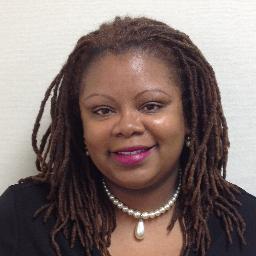
Dr. Annette Solomon
Calm, practical support for parenting and life changes
- Credentials
- MI Psychologist 6301013313
- Experience
- 21 years
- Licensed in
- Michigan
- Languages
- English
- Format
- Online sessions
About Annette
Dr. Annette Solomon welcomes parents and caregivers who are trying to find steadier footing. She writes plainly and listens closely.
She helps people who are dealing with stress, anxiety, depression, grief, addictions, and other life disruptions. Her approach is warm and practical, aimed at small changes that can ease daily life. Dr.
Solomon earned her doctorate in clinical psychology from Wright State University School of Professional Psychology. She is listed as MI Psychologist 6301013313 and has 21 years of professional experience.
Background and approach
Over her career she has worked with people facing chronic medical issues, trauma, and complex life stressors. Her background includes work on medical teams and with diverse populations. In sessions she uses clear, evidence-based tools from cognitive behavioral therapy and motivational interviewing.
She also draws on client-centered and existential ideas to help people find personal meaning and stronger coping. Conversations focus on practical steps, skill building, and shifting unhelpful patterns. Dr.
Solomon tailors plans to each person’s situation. She helps set small, reachable goals and adjusts the plan as progress happens. Parents will find straightforward guidance for parenting stresses, blended family concerns, sleep problems, and communication issues.
Therapy can address issues such as anger, intimacy-related struggles, ADHD, caregiver stress, chronic pain and illness, and substance use. Sessions aim to improve day-to-day functioning and make coping feel more manageable. Her tone is compassionate and strengths-based, with an emphasis on realistic change.
How her approaches translate to online care
Client-centered therapy focuses on listening and following the client’s lead. It creates space for a person to say what matters most and for the therapist to reflect and support. This approach helps when someone needs understanding, validation, and a plan based on their priorities.Cognitive behavioral therapy, or CBT, looks at how thoughts, feelings, and actions connect. It teaches concrete skills such as reframing worries, testing unhelpful beliefs, and building new routines. CBT is often useful for anxiety, depression, sleep problems, and stress that interfere with parenting or daily life.
Motivational interviewing is a conversational method that helps people find their own reasons to change. It can be helpful for substance use, commitment concerns, or when making health-related changes feels overwhelming.
Finding the right approach is a shared process. The therapist will talk with each person about goals, try strategies, and adjust methods as needed. Treatment plans are shaped together based on what works in practice and what feels doable at home.
Online care offers flexibility through video calls, phone sessions, live chat, or text-based messaging. These options make it easier to fit therapy around work, school, or caregiving. The range of formats also allows follow-up between visits and different ways to practice skills in everyday moments.
Client-Centered Therapy
The direction comes from you rather than from a set programme. The therapist offers a warm, non-judgemental space to think out loud and work at your own pace. Online, this rests on the relationship rather than on being in the same room.
Cognitive Behavioral Therapy (CBT)
CBT looks at the link between what you think, how you feel, and what you do. You work on noticing unhelpful patterns and practising steadier responses. It suits online sessions well, because much of the work happens between appointments and can be talked through from anywhere.
Existential Therapy
Takes the larger questions seriously: meaning, choice, mortality, responsibility. Suited to periods when the difficulty is less a symptom than a sense that something has to change.
Frequently asked questions
What concerns does she help with?
What is her general therapy style?
How much experience does she have?
What are her credentials and where is she located?
Which languages are supported for sessions?
In what formats are sessions offered?
How does payment and cost work?
What steps do I take to begin?
Specialties and expertise
Top specialties
- Addictions
- Relationship issues
- Trauma and abuse
Also works with
- ADHD
- Anger management
- Bipolar disorder
- Blended family issues
- Cancer
- Career difficulties
- Caregiver issues and stress
- Chronic pain, illness, and disability
- Co-morbidity
- Codependency
- Commitment issues
- Communication problems
- Compassion fatigue
- Control issues
- Coping with life changes
- Depression
- Drug and alcohol addiction
- Family conflicts
- Family problems
- Forgiveness
- Grief
- Guilt and shame
- HIV / AIDS
- Impulsivity
- Infidelity
- Intimacy-related issues
- Isolation / loneliness
- LGBT
- Life purpose
- Money and financial issues
- Mood disorders
- Multicultural concerns
- Panic disorder and panic attacks
- Parenting issues
- Post-traumatic stress
- Postpartum depression
- Pregnancy and childbirth
- Prejudice and discrimination
- Process addiction (porn, exercise, gambling)
- Seasonal Affective Disorder (SAD)
- Self esteem
- Self-love
- Sex addiction
- Sexual assault and abuse
- Sexuality
- Sleeping disorders
- Social anxiety and phobia
- Stress, Anxiety
- Traumatic brain injury
- Veteran and Armed Forces Issues
- Women's issues
- Workplace issues
- Young adult issues
Therapeutic approaches
- Experience
- 21 years
- Licensed
- Michigan
- Languages
- English
Next step
Talk to Annette
- Takes a few minutes
- Nothing to set up just to look
- Stop at any point