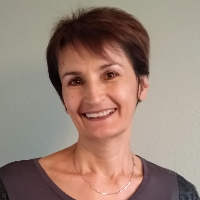
Dr. Zvonka Jakopovic
Experienced multilingual counselor focused on practical solutions
- Credentials
- LPC
- Experience
- 30 years
- Licensed in
- Texas
- Languages
- English, Croatian, Serbian
- Format
- Online sessions
About Zvonka
Dr. Zvonka Jakopovic is a Licensed Professional Counselor with about 30 years of clinical experience. She practices from Texas and works in English, Croatian, and Serbian.
Dr. Jakopovic focuses on helping people manage stress, anxiety, trauma, grief, depression, addictions, and intimacy-related concerns. She also has a longstanding interest in family and parenting topics and supports people dealing with relationship strain and communication problems.
Her background includes graduate training in marriage and family counseling and extensive work in individual and group settings.
Background and approach
She brings training in Client-Centered Therapy and Cognitive Behavioral Therapy, among other approaches, and draws on those methods to tailor sessions to each person's situation. Dr. Jakopovic has long experience helping people facing life changes, caregiver stress, serious medical issues, and end-of-life concerns.
In sessions she tends to focus on clear skills and practical steps. She helps clients name difficult feelings, try new ways of relating, and practice strategies to reduce anxiety or manage mood swings. She also works on improving communication and handling conflicts that come from family of origin issues and current family problems.
People who look for a therapist who will blend practical techniques with conversations about meaning often find her approach a fit. She also brings experience addressing compassion fatigue and challenges tied to long-term caregiving. Dr.
Jakopovic aims to help people find manageable ways forward and to build tools they can use between appointments. Outside of direct clinical work she has worked across a range of care settings and with group formats. Her combined experience and multilingual skills can help people from diverse backgrounds connect and make progress on the specific problems they bring to therapy.
Approaches for online work and practical care
Client-Centered Therapy focuses on listening carefully and making space for each person's experience, which helps people feel heard and begin to sort out their priorities. Cognitive Behavioral Therapy (CBT) teaches specific tools to change unhelpful thinking and behavior patterns, which can be useful for anxiety, depression, and stress. Existential Therapy looks at questions of meaning, values, and life direction to help people facing major life changes or searching for purpose.Choosing the right approach is part of the work together. The therapist will discuss goals, preferences, and practical needs and then try methods that seem likely to help. This collaborative process means methods can be adjusted over time based on what is working for the client.
Online sessions are offered by video calls, phone sessions, live chat, or text-based messaging to increase flexibility. These formats make it easier to fit therapy into busy schedules, to connect across distance, and to continue work between appointments. The range of options supports different communication styles and helps people access consistent care from wherever they are.
Client-Centered Therapy
The direction comes from you rather than from a set programme. The therapist offers a warm, non-judgemental space to think out loud and work at your own pace. Online, this rests on the relationship rather than on being in the same room.
Cognitive Behavioral Therapy (CBT)
CBT looks at the link between what you think, how you feel, and what you do. You work on noticing unhelpful patterns and practising steadier responses. It suits online sessions well, because much of the work happens between appointments and can be talked through from anywhere.
Existential Therapy
Takes the larger questions seriously: meaning, choice, mortality, responsibility. Suited to periods when the difficulty is less a symptom than a sense that something has to change.
Frequently asked questions
What kinds of concerns can I bring to therapy?
What is her general therapy style like?
How many years has she been practicing?
Where is she licensed and what are her credentials?
Can I work with her if I am outside the United States?
Which session formats does she offer?
How does payment and cost work for sessions?
How do I get started with therapy?
Specialties and expertise
Top specialties
- Stress, Anxiety
- Relationship issues
- Trauma and abuse
Also works with
- Addictions
- Aging and geriatric issues
- Anger management
- Bipolar disorder
- Cancer
- Caregiver issues and stress
- Commitment issues
- Communication problems
- Compassion fatigue
- Coping with life changes
- Depression
- Disruptive Mood Dysregulation Disorder (DMDD)
- Divorce and separation
- Family conflicts
- Family of origin issues
- Family problems
- Forgiveness
- Grief
- Guilt and shame
- Hospice and end-of-life counseling
- Immigration issues
- Impulsivity
- Intimacy-related issues
- Life purpose
- Midlife crisis
- Mood disorders
- Multicultural concerns
- Panic disorder and panic attacks
- Post-traumatic stress
- Prejudice and discrimination
- Self esteem
- Self-love
- Young adult issues
Therapeutic approaches
- Experience
- 30 years
- Licensed
- Texas
- Languages
- English, Croatian, Serbian
Next step
Talk to Zvonka
- Takes a few minutes
- Nothing to set up just to look
- Stop at any point