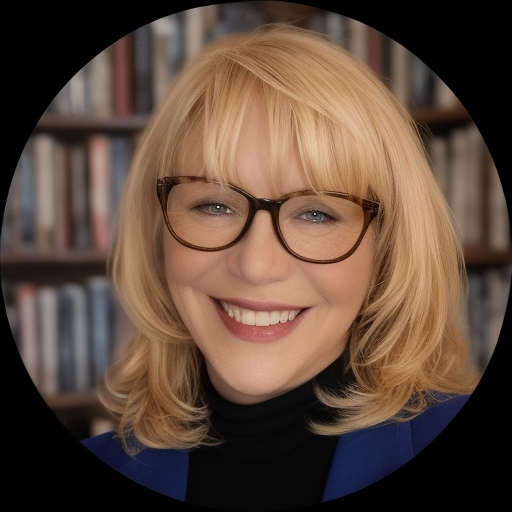
Yvonne Copeland
Calm, practical support for life changes
- Credentials
- LICSW
- Experience
- 15 years
- Licensed in
- Alabama
- Languages
- English
- Format
- Online sessions
About Yvonne
Yvonne Copeland is a licensed independent clinical social worker (LICSW) who focuses on helping people navigate stress, anxiety, grief, depression, and life transitions. She speaks plainly and works to make beginning therapy feel less overwhelming. Her calm, open communication helps clients feel heard and understood from the first meeting.
She uses Cognitive Behavioral Therapy - CBT to identify unhelpful thinking patterns that block progress. Mindfulness practices are offered to help people manage strong emotions and stay grounded.
Background and approach
Solution-focused and strength-based methods help build on what already works in a person’s life. Yvonne has 15 years of practice supporting adults across the lifespan with concerns such as relationship strain, parenting challenges, addiction, chronic illness, and caregiver stress. She also brings experience with adoption and foster care issues, blended family dynamics, attachment concerns, and aging-related matters.
Sessions begin with a conversation about why someone is seeking help, and she gathers practical information about daily life and important relationships. She keeps the tone nonjudgmental and supportive, aiming to make the room a place for clear thinking and steady progress. Her work is collaborative: she partners with clients to set goals and uses tools and exercises suited to each person.
The focus is on small, achievable changes that add up over time and help people move toward a fuller life.
How therapeutic approaches translate to online sessions
Client-centered therapy emphasizes listening and following the person’s goals. In practice this means the therapist asks about what matters most, reflects back what she hears, and adjusts plans to match a client’s values and pace. This approach helps when someone needs a steady, validating presence while sorting out difficult choices.Cognitive Behavioral Therapy - CBT focuses on the link between thoughts, feelings, and actions. Online CBT sessions often include identifying thought patterns, testing new behaviors, and using brief exercises between meetings to practice skills. This style is useful for issues like anxiety, depression, and managing stress in daily life.
Finding the right approach is part of the work. The therapist will collaborate with the client to choose or combine methods based on goals, comfort, and what feels most useful. Decisions are revisited as progress is made so the plan stays relevant.
Online formats offer flexibility for busy lives. Video calls allow face-to-face conversations, phone sessions suit those on the go, and live chat or text messaging can provide brief check-ins or coaching between meetings. These options help people fit therapy into their routine and keep momentum when life gets complicated.
Client-Centered Therapy
The direction comes from you rather than from a set programme. The therapist offers a warm, non-judgemental space to think out loud and work at your own pace. Online, this rests on the relationship rather than on being in the same room.
Cognitive Behavioral Therapy (CBT)
CBT looks at the link between what you think, how you feel, and what you do. You work on noticing unhelpful patterns and practising steadier responses. It suits online sessions well, because much of the work happens between appointments and can be talked through from anywhere.
Mindfulness Therapy
Attention training: noticing thoughts and physical feelings as they arrive without being carried off by them. Much of it is practice you do yourself, so guidance over video or audio works much as it would in person.
Frequently asked questions
What concerns does she commonly help with?
What is her general therapy style?
How long has she practiced clinically?
Where is she licensed and credentialed?
Which languages are supported for sessions?
What formats are available for sessions?
How are costs and billing handled?
What is the first step to begin therapy?
Specialties and expertise
Top specialties
Also works with
- Addictions
- Adoption and foster care
- Aging and geriatric issues
- Anger management
- Attachment issues
- Avoidant personality
- Blended family issues
- Body image
- Cancer
- Career difficulties
- Caregiver issues and stress
- Chronic pain, illness, and disability
- Coaching
- Codependency
- Communication problems
- Compassion fatigue
- Control issues
- Coping with life changes
- Coping with natural or human-caused disaster
- Dependent personality
- Depression
- Divorce and separation
- Family conflicts
- Family of origin issues
- Family problems
- Forgiveness
- Guilt and shame
- Hospice and end-of-life counseling
- Infidelity
- Intimacy-related issues
- Isolation / loneliness
- Life purpose
- Men's issues
- Midlife crisis
- Mood disorders
- Parenting issues
- Post-traumatic stress
- Relationship issues
- Seasonal Affective Disorder (SAD)
- Self esteem
- Self-love
- Sexual assault and abuse
- Sleeping disorders
- Veteran and Armed Forces Issues
- Women's issues
- Workplace issues
- Young adult issues
Therapeutic approaches
- Experience
- 15 years
- Licensed
- Alabama
- Languages
- English
Next step
Talk to Yvonne
- Takes a few minutes
- Nothing to set up just to look
- Stop at any point