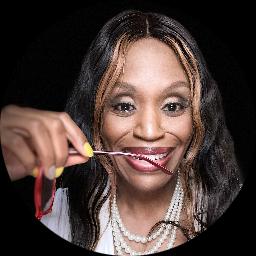
Dr. & Mrs. Wendy Durant
Practical, compassionate counseling with coaching
- Credentials
- LPC
- Experience
- 19 years
- Licensed in
- Louisiana, Texas, Iowa
- Languages
- English
- Format
- Online sessions
About &
Dr. & Mrs. Wendy Durant is a licensed professional counselor with 19 years of experience.
She practices from Louisiana and holds LPC licensure. Her work centers on helping people who are stressed, anxious, grieving, or facing relationship and parenting challenges. She describes her style as warm, encouraging, and supportive.
Sessions focus on practical steps rather than labels. She aims to listen carefully, reflect what matters, and build straightforward plans clients can try between meetings.
Background and approach
Her background blends talk therapy with coaching and some holistic ideas from studies in natural medicine. She uses tools from cognitive behavioral therapy, client-centered methods, solution-focused work, and mindfulness to match a person’s needs. These approaches are chosen to address things like mood struggles, communication problems, and coping after trauma.
Durant also works with concerns around intimacy, sexual health, and nontraditional sexual cultures such as BDSM and kink. She helps people facing issues like commitment worries, body image, and challenges tied to gender and HIV / AIDS with direct, nonjudgmental conversation and practical strategies. Parents who read this profile should know she brings coaching skills and concrete skills training into sessions.
She helps people set goals, practice new ways of relating, and manage the daily stressors of work and family life. The focus is on realistic change that fits each person’s life.
How therapeutic approaches translate to online care
Client-Centered Therapy emphasizes listening and respect. The therapist focuses on understanding each person's experience, reflecting it back, and helping clients feel heard so they can decide what change looks like. This approach helps with building trust and clarifying goals in the first sessions.Cognitive Behavioral Therapy (CBT) targets unhelpful thoughts and behaviors with concrete strategies. It uses short exercises and homework to test new ways of thinking and acting, which can reduce anxiety, lift mood, and improve daily functioning. CBT works well for stress, depression, and many anxiety-related concerns.
Emotionally-Focused Therapy (EFT) helps people notice emotional patterns and improve connection. It looks at how feelings drive interaction and then practices new responses that strengthen relationships. EFT can be useful when intimacy or communication is a central concern.
Finding the right approach is part of the work together. The therapist will talk about needs, goals, and preferences and then suggest which methods to try. Clients are invited to give feedback and adjust the plan if something does not fit.
Online therapy offers flexible ways to meet: video calls, phone sessions, live chat, or text messaging. These options make it easier to fit sessions into busy family and work schedules and to continue care across locations. Therapists use these formats to share strategies, assign short practices, and follow progress between meetings.
Client-Centered Therapy
The direction comes from you rather than from a set programme. The therapist offers a warm, non-judgemental space to think out loud and work at your own pace. Online, this rests on the relationship rather than on being in the same room.
Cognitive Behavioral Therapy (CBT)
CBT looks at the link between what you think, how you feel, and what you do. You work on noticing unhelpful patterns and practising steadier responses. It suits online sessions well, because much of the work happens between appointments and can be talked through from anywhere.
Emotionally-Focused Therapy (EFT)
Attends to the emotions underneath a recurring argument or distance, and to the attachment needs driving them. Often used where a relationship keeps returning to the same painful loop.
Frequently asked questions
What concerns does this therapist address?
What is the therapist's general approach in sessions?
How much experience does the counselor have?
What credentials and location are listed?
Which languages are supported for sessions?
In what formats are sessions offered?
How are sessions paid for and what about cost?
What are the steps to begin working together?
Specialties and expertise
Top specialties
- Stress, Anxiety
- LGBT
- Relationship issues
Also works with
- ADHD
- Anger management
- BDSM, kink, and alternative sex culture
- Body image
- Career difficulties
- Coaching
- Commitment issues
- Communication problems
- Control issues
- Coping with life changes
- Coping with natural or human-caused disaster
- Depression
- Disruptive Mood Dysregulation Disorder (DMDD)
- Divorce and separation
- Emptiness
- Family conflicts
- Family problems
- First responder issues
- Forgiveness
- Gender dysphoria
- Grief
- Guilt and shame
- HIV / AIDS
- Impulsivity
- Infidelity
- Intimacy-related issues
- Isolation / loneliness
- Jealousy
- Life purpose
- Money and financial issues
- Multicultural concerns
- Panic disorder and panic attacks
- Parenting issues
- Polyamory / non-monogamous relationships
- Post-traumatic stress
- Postpartum depression
- Pregnancy and childbirth
- Prejudice and discrimination
- Process addiction (porn, exercise, gambling)
- Self esteem
- Self-love
- Sex addiction
- Sexual dysfunction
- Sexuality
- Social anxiety and phobia
- Trauma and abuse
- Veteran and Armed Forces Issues
- Women's issues
- Workplace issues
- Young adult issues
Therapeutic approaches
- Experience
- 19 years
- Licensed
- Louisiana, Texas, Iowa, Michigan, Oregon, Ohio, Pennsylvania
- Languages
- English
Next step
Talk to &
- Takes a few minutes
- Nothing to set up just to look
- Stop at any point