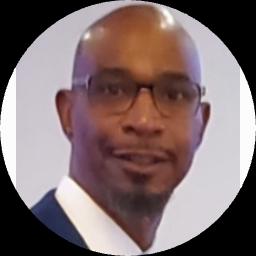
Tyson Spears
Candid, practical counseling for everyday challenges
- Credentials
- LPC
- Experience
- 30 years
- Licensed in
- Wisconsin
- Languages
- English
- Format
- Online sessions
About Tyson
Tyson Spears is a Licensed Professional Counselor (LPC) based in Wisconsin. He helps people facing stress, anxiety, depression, bipolar symptoms, addictions, and parenting or intimacy-related concerns. He also supports those dealing with relationship struggles, anger, coping with life changes, and compassion fatigue.
Tyson brings a calm, straightforward manner to conversations and focuses on practical steps people can use between sessions. He draws on about 30 years of experience to tailor each plan to the person in front of him.
Background and approach
Sessions emphasize listening first, then building doable goals together. He favors skills and strategies people can apply right away rather than long lists of theory. Tyson uses a blend of approaches including cognitive behavioral techniques, acceptance-based work, motivational interviewing, narrative methods, and mindfulness.
He mixes methods depending on what a person needs and what fits their pace. He aims to be genuine and creative when a plan needs adjusting. People who work with him can expect clear options and concrete homework when it helps.
He treats concerns like family problems, parenting questions, process addictions, life purpose, and multicultural issues with the same focus on respect and sensitivity. He avoids stigmatizing labels and centers on practical progress. To start, Tyson asks about specific goals and current challenges.
From there he helps craft a focused plan and tracks progress over time. His style is interactive, warm, and oriented toward real-life solutions.
Approaches that translate well to online care
Acceptance and Commitment Therapy, or ACT, focuses on helping people accept difficult thoughts and feelings while committing to actions that match their values. It often helps when stress, anxiety, or life transitions make it hard to move forward. Cognitive Behavioral Therapy, or CBT, looks at patterns of thought and behavior and introduces practical exercises to change them. CBT is useful for anxiety, depression, and many day-to-day problems. Motivational Interviewing is a conversational method that helps people find their own reasons for change and build internal motivation for things like reducing addictive behaviors or making lifestyle shifts.Choosing the right approach is a collaborative process. Tyson will talk through goals and preferences, then try methods that fit the person’s pace and needs. If one approach doesn’t fit, he adjusts the plan and tests a different path alongside the client.
Online therapy offers several practical benefits. Video calls support face-to-face conversation from home, while phone sessions provide a simpler option when screens are difficult. Live chat and text-based messaging allow shorter check-ins and ongoing support between longer sessions. These formats make it easier to fit counseling into a busy life and to use techniques in real time where challenges occur.
Acceptance and Commitment Therapy (ACT)
Less about arguing with difficult thoughts, more about loosening their grip and acting on what matters to you anyway. Values and committed action carry the work, which suits conversation at a distance.
Client-Centered Therapy
The direction comes from you rather than from a set programme. The therapist offers a warm, non-judgemental space to think out loud and work at your own pace. Online, this rests on the relationship rather than on being in the same room.
Cognitive Behavioral Therapy (CBT)
CBT looks at the link between what you think, how you feel, and what you do. You work on noticing unhelpful patterns and practising steadier responses. It suits online sessions well, because much of the work happens between appointments and can be talked through from anywhere.
Frequently asked questions
What concerns does Tyson address?
How would he describe his therapeutic style?
How much experience does he bring?
What credentials and region are listed?
Which languages are sessions offered in?
What session formats are available?
How are costs handled?
What is the process to begin working together?
Specialties and expertise
Top specialties
- Stress, Anxiety
- Self esteem
- Bipolar disorder
Also works with
- Addictions
- Aging and geriatric issues
- Anger management
- Antisocial personality
- Coaching
- Communication problems
- Compassion fatigue
- Coping with life changes
- Depression
- Family conflicts
- Family problems
- Fatherhood issues
- First responder issues
- Infidelity
- Intimacy-related issues
- Isolation / loneliness
- Jealousy
- Life purpose
- Multicultural concerns
- Parenting issues
- Personality disorders
- Phobias
- Prejudice and discrimination
- Process addiction (porn, exercise, gambling)
- Relationship issues
- Self-love
- Social anxiety and phobia
Therapeutic approaches
- Experience
- 30 years
- Licensed
- Wisconsin
- Languages
- English
Next step
Talk to Tyson
- Takes a few minutes
- Nothing to set up just to look
- Stop at any point