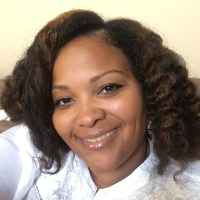
Thandi Wells
Supportive counseling with practical skills
- Credentials
- LPC, LCPC
- Experience
- 8 years
- Licensed in
- Alabama, Maine
- Languages
- English
- Format
- Online sessions
About Thandi
Thandi Wells is a Licensed Professional Counselor (LPC) who centers her work on practical skills and honest conversation. She offers clear, down-to-earth support for parents and families facing everyday struggles. Her style mixes direct feedback with encouragement so families can move forward together.
She came into counseling through hands-on work in substance abuse case management. Over time she advanced into roles as a primary therapist and then a program director.
Background and approach
That experience shaped how she blends coaching with clinical care to help people build useful habits. Thandi draws on several evidence-based methods. She often uses cognitive behavioral therapy to identify unhelpful thoughts and replace them with healthier patterns.
She also brings dialectical behavior therapy skills for emotional regulation and Acceptance and Commitment Therapy ideas to help people clarify what matters most. In sessions she balances education with empathetic confrontation - naming what’s getting in the way while teaching practical alternatives. She works with issues like stress, anxiety, parenting struggles, relationship problems, grief, addiction, and self-esteem concerns.
Clients who want a straightforward, skill-focused approach will find her practical and attentive. Thandi holds LPC and LCPC credentials and practices in Alabama. She offers a mix of coaching and counseling aimed at concrete change and improved day-to-day functioning.
Practical therapy approaches for online family work
Acceptance and Commitment Therapy (ACT) helps people notice difficult thoughts without getting stuck in them and then choose actions that match their values; it can be useful for stress, anxiety, and life changes. Cognitive Behavioral Therapy (CBT) focuses on identifying unhelpful thinking patterns and changing them through specific exercises and practice, which is helpful for depression, anxiety, and self-esteem concerns. Dialectical Behavior Therapy (DBT) teaches concrete skills for managing intense emotions and improving communication, often aiding in coping with strong anger or emotional overwhelm.Finding the right approach is collaborative. The therapist will talk with the client about goals, try methods that match those goals, and adjust as needed. That means a plan may use parts of ACT, CBT, or DBT depending on what a family or individual needs most.
Online sessions are offered as video calls, phone sessions, live chat, or text-based messaging to fit different schedules and communication styles. These options let people connect from home, follow up between sessions through messaging, and choose the format that feels most comfortable. The variety of formats supports flexible, ongoing work on parenting, relationships, and personal coping skills.
Acceptance and Commitment Therapy (ACT)
Less about arguing with difficult thoughts, more about loosening their grip and acting on what matters to you anyway. Values and committed action carry the work, which suits conversation at a distance.
Client-Centered Therapy
The direction comes from you rather than from a set programme. The therapist offers a warm, non-judgemental space to think out loud and work at your own pace. Online, this rests on the relationship rather than on being in the same room.
Cognitive Behavioral Therapy (CBT)
CBT looks at the link between what you think, how you feel, and what you do. You work on noticing unhelpful patterns and practising steadier responses. It suits online sessions well, because much of the work happens between appointments and can be talked through from anywhere.
Frequently asked questions
What kinds of problems does she address?
What is her general therapy style?
How long has she been practicing?
What credentials and location are listed?
Which languages are supported for sessions?
What session formats are available?
How are fees and billing handled?
How do I begin working with her?
Specialties and expertise
Top specialties
Also works with
- Abandonment
- ADHD
- Anger management
- Antisocial personality
- Attachment issues
- Bipolar disorder
- Blended family issues
- Body image
- Career difficulties
- Caregiver issues and stress
- Co-morbidity
- Coaching
- Codependency
- Communication problems
- Compassion fatigue
- Coping with life changes
- Depression
- Drug and alcohol addiction
- Family conflicts
- Family of origin issues
- Family problems
- Forgiveness
- Grief
- Guilt and shame
- Intimacy-related issues
- Isolation / loneliness
- LGBT
- Mood disorders
- Panic disorder and panic attacks
- Parenting issues
- Personality disorders
- Post-traumatic stress
- Prejudice and discrimination
- Relationship issues
- Seasonal Affective Disorder (SAD)
- Self esteem
- Self-harm
- Self-love
- Women's issues
- Workplace issues
- Young adult issues
Therapeutic approaches
- Experience
- 8 years
- Licensed
- Alabama, Maine
- Languages
- English
Next step
Talk to Thandi
- Takes a few minutes
- Nothing to set up just to look
- Stop at any point