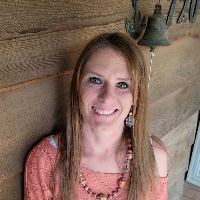
Stephanie Fisher
Supportive counselor for life and family challenges
- Credentials
- LPC
- Experience
- 10 years
- Licensed in
- Wyoming, Texas, Connecticut
- Languages
- English
- Format
- Online sessions
About Stephanie
Stephanie Fisher focuses on stress, anxiety, grief, parenting concerns, and life changes. She also addresses relationship difficulties, trauma and abuse, intimacy-related issues, anger, self-esteem, career concerns, depression, and compassion fatigue. Stephanie brings a calm, practical manner to sessions and aims to make talk therapy straightforward and useful.
She holds the LPC credential, which stands for Licensed Professional Counselor, and has about 10 years of experience helping people work through hard moments.
Background and approach
Clients can expect a warm, early effort to build trust and clear goals. Stephanie listens first and helps identify small, concrete steps to try between meetings. She often combines practical thinking skills with mindful practices and motivational coaching so people can notice progress and stay motivated.
Her background includes training in trauma-focused approaches and other methods that address upsetting memories, difficult transitions, and repeated stress. She has worked with concerns such as adoption and foster care, attachment challenges, blended family issues, caregiver stress, and first responder issues. That experience informs a grounded, flexible way of planning care.
Sessions are geared toward real-life problems and real-world solutions. Stephanie emphasizes collaboration and teaches skills that can be used outside of the therapy room. She also draws on her community roles and hands-on experience to stay practical and resourceful.
Stephanie practices from Wyoming and conducts sessions in English. She integrates therapeutic tools so each plan fits a person’s situation and goals.
Therapeutic approaches and remote care
Client-Centered Therapy focuses on listening and building a trusting relationship. The therapist reflects the person’s concerns and supports them in finding their own solutions, which is helpful for stress, self-esteem, and relationship questions.Cognitive Behavioral Therapy, or CBT, looks at unhelpful thoughts and behaviors and teaches practical skills to change them. It works well for anxiety, depression, anger, and patterns that get in the way of daily life.
Trauma-Focused Therapy addresses the impact of painful memories and stressful events. It uses targeted techniques to reduce the hold of trauma symptoms and to help people regain control over their reactions.
Choosing the right approach is a joint process. The therapist will talk about goals, preferences, and what has or hasn’t helped before. Together they decide which methods to try and adjust the plan as progress is made.
Online sessions make it easier to fit therapy into real life. Video calls let people meet face to face, phone sessions work when video isn’t possible, and live chat or text can support brief check-ins or ongoing coaching. These options offer flexibility and help people access care from wherever they are, while keeping the process focused on practical steps and steady progress.
Client-Centered Therapy
The direction comes from you rather than from a set programme. The therapist offers a warm, non-judgemental space to think out loud and work at your own pace. Online, this rests on the relationship rather than on being in the same room.
Cognitive Behavioral Therapy (CBT)
CBT looks at the link between what you think, how you feel, and what you do. You work on noticing unhelpful patterns and practising steadier responses. It suits online sessions well, because much of the work happens between appointments and can be talked through from anywhere.
Mindfulness Therapy
Attention training: noticing thoughts and physical feelings as they arrive without being carried off by them. Much of it is practice you do yourself, so guidance over video or audio works much as it would in person.
Frequently asked questions
What concerns does she help with?
What is her general therapy style?
What experience does she bring?
What are her credentials and where is she located?
Which languages are offered for sessions?
What session formats are available?
How is cost handled for sessions?
How do I begin working with her?
Specialties and expertise
Top specialties
- Stress, Anxiety
- Family conflicts
- Grief
Also works with
- Abandonment
- Adoption and foster care
- Anger management
- Attachment issues
- Blended family issues
- Body image
- Career difficulties
- Caregiver issues and stress
- Coaching
- Commitment issues
- Communication problems
- Compassion fatigue
- Control issues
- Coping with life changes
- Depression
- Divorce and separation
- Domestic violence
- Family of origin issues
- Family problems
- Fatherhood issues
- First responder issues
- Forgiveness
- Guilt and shame
- Impulsivity
- Intimacy-related issues
- Isolation / loneliness
- Life purpose
- Midlife crisis
- Money and financial issues
- Parenting issues
- Post-traumatic stress
- Postpartum depression
- Pregnancy and childbirth
- Relationship issues
- Self esteem
- Self-harm
- Self-love
- Social anxiety and phobia
- Trauma and abuse
- Women's issues
- Workplace issues
- Young adult issues
Therapeutic approaches
- Experience
- 10 years
- Licensed
- Wyoming, Texas, Connecticut, Wisconsin, Colorado, Michigan
- Languages
- English
Next step
Talk to Stephanie
- Takes a few minutes
- Nothing to set up just to look
- Stop at any point