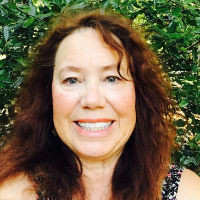
Sherry Friedman
Calm, practical support for parents and caregivers
- Credentials
- LPC, LCMHC
- Experience
- 12 years
- Licensed in
- North Carolina, South Carolina, Rhode Island
- Languages
- English
- Format
- Online sessions
About Sherry
Sherry Friedman is a licensed professional counselor who brings 12 years of clinical experience to her work. She practices as an LPC and a Licensed Clinical Mental Health Counselor - LCMHC in North Carolina. She writes plainly, listens closely, and focuses on practical steps that parents and caregivers can use right away.
Her style is warm and interactive. Sessions emphasize clear communication, building boundaries, and practical skills for coping with stress and anxiety.
Background and approach
She also addresses trauma, grief, mood concerns, and challenges that affect daily family life. Sessions often include mindfulness practices and pacing that suit a person's sensitivity and needs. Sherry blends several therapeutic traditions to match each person's situation.
She draws from attachment-based ideas to look at relationship patterns. She uses client-centered listening to follow what matters most to the individual. She integrates techniques from dialectical behavior therapy to help with emotional regulation and practical skills.
Her approach is collaborative. She helps people identify what is getting in the way and then works with them to try new ways of relating and coping. Conversations move at a steady, respectful pace and focus on concrete changes that improve day-to-day family functioning.
Sherry offers sessions by video, phone, live chat, and text messaging. Sessions are conducted in English and follow the subscription model used by the service. To begin, a short matching questionnaire is completed and scheduling is arranged according to therapist availability.
Therapeutic approaches and online care that fit family life
Attachment-based work focuses on patterns between people and how early relationship dynamics shape current responses. It helps when recurring conflicts, trust issues, or emotional distance show up in close relationships.Client-centered therapy centers the client's experience and priorities. The therapist listens without judgment and follows what the person feels is most important, which helps parents and caregivers name needs and make practical changes.
Dialectical Behavior Therapy, or DBT, teaches concrete skills for managing strong emotions, reducing reactivity, and improving communication. Those tools are useful when stress, anger, or mood swings affect family routines and interactions.
Finding the right approach is part of the work. The therapist will talk with each person about goals, preferences, and what feels most helpful. Together they decide which methods to use and adjust the plan as needs change.
Online therapy offers practical benefits for busy households. Video calls allow face-to-face conversation without travel, while phone sessions, live chat, and text messaging provide flexible options for shorter check-ins or scheduling constraints. These formats make it easier to fit consistent sessions into family life and to continue therapy through transitions.
Attachment-Based Therapy
Looks at how early bonds shaped what you expect from closeness, and how that plays out now with a partner, a parent, or your own children.
Client-Centered Therapy
The direction comes from you rather than from a set programme. The therapist offers a warm, non-judgemental space to think out loud and work at your own pace. Online, this rests on the relationship rather than on being in the same room.
Dialectical Behavior Therapy (DBT)
Concrete skills for riding out strong emotion, tolerating distress, and handling relationships without things escalating. The skills are practised in daily life, so between-session support by message or phone fits naturally.
Frequently asked questions
What concerns does she commonly address?
How would you describe her therapeutic style?
What is her professional background?
Where is she licensed and based?
Which languages are supported for sessions?
What session formats are available?
How does payment and cost work?
What are the first steps to begin therapy?
Specialties and expertise
Top specialties
- Stress, Anxiety
- Trauma and abuse
- Parenting issues
Also works with
- Abandonment
- ADHD
- Anger management
- Attachment issues
- Autism and Asperger Syndrome
- Bipolar disorder
- Body image
- Career difficulties
- Coaching
- Communication problems
- Compassion fatigue
- Coping with life changes
- Depression
- Divorce and separation
- Family conflicts
- Family of origin issues
- Family problems
- Forgiveness
- Grief
- Isolation / loneliness
- Life purpose
- Midlife crisis
- Mood disorders
- Multicultural concerns
- Narcissism
- Post-traumatic stress
- Postpartum depression
- Pregnancy and childbirth
- Relationship issues
- Self esteem
- Self-love
- Women's issues
Therapeutic approaches
- Experience
- 12 years
- Licensed
- North Carolina, South Carolina, Rhode Island
- Languages
- English
Next step
Talk to Sherry
- Takes a few minutes
- Nothing to set up just to look
- Stop at any point