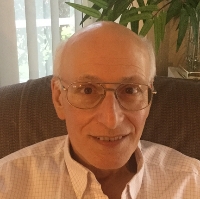
Dr. Scott Anstadt
Calm, practical guidance for family challenges
- Credentials
- LCSW, LSCSW
- Experience
- 36 years
- Licensed in
- Arizona, Kansas
- Languages
- English
- Format
- Online sessions
About Scott
Dr. Scott Anstadt offers practical, down-to-earth support for people facing family and parenting stresses and other life challenges. He greets each person with an empathic but straightforward style.
Sessions focus on useful skills, clear goals, and steady follow-through so daily life gets easier. Scott is a licensed clinical social worker - LCSW and LSCSW - with 36 years of experience. He blends evidence-based tools with a flexible, coaching-oriented approach.
That can mean shorter contacts between sessions or adjusting session length to fit a busy family schedule.
Background and approach
He draws from cognitive behavioral techniques to change unhelpful thoughts and behaviors. He also uses client-centered ideas that center the conversation on the person in front of him. Attachment-informed thinking helps when relationship patterns and family dynamics are part of the problem.
Scott has taught clinical courses at the university level and has long experience with individuals, groups, and families. He often works with people navigating transitions, aging and geriatric issues, grief, and the stresses that come with caregiving or major life change. He emphasizes practical plans tied to a person’s daily life.
That can include coaching, regular check-ins, and lifestyle-focused steps to support sleep, mood, and routines. Sessions aim to be thoughtful, compassionate, and geared toward what actually helps at home.
Therapeutic approaches and how they work online
Acceptance and Commitment Therapy helps people focus on values and take small, meaningful actions even when feelings are hard. It can be useful for anxiety, depression, and stress that interfere with daily life. Cognitive Behavioral Therapy focuses on changing thoughts and behaviors with practical exercises and homework to improve mood and routines.Finding the right approach is a shared process. The therapist will listen to a person’s goals, try different strategies when needed, and adjust methods based on what proves helpful. That collaborative stance lets sessions shift between skills practice, coaching, and deeper exploration as needed.
Online therapy offers flexibility for busy families and people in different locations. Video calls allow face-to-face discussion and real-time skills practice. Phone sessions, live chat, and text-based messaging give ways to stay connected between meetings, fit therapy into tight schedules, and follow up on steps decided in sessions.
Acceptance and Commitment Therapy (ACT)
Less about arguing with difficult thoughts, more about loosening their grip and acting on what matters to you anyway. Values and committed action carry the work, which suits conversation at a distance.
Attachment-Based Therapy
Looks at how early bonds shaped what you expect from closeness, and how that plays out now with a partner, a parent, or your own children.
Client-Centered Therapy
The direction comes from you rather than from a set programme. The therapist offers a warm, non-judgemental space to think out loud and work at your own pace. Online, this rests on the relationship rather than on being in the same room.
Frequently asked questions
What concerns does he help with?
What is his therapeutic style?
How long has he practiced?
Which credentials and location apply?
Are sessions available in other languages or countries?
What session formats are offered?
How are sessions paid for?
How do I begin working together?
Specialties and expertise
Top specialties
Also works with
- ADHD
- Aging and geriatric issues
- Anger management
- Attachment issues
- Bipolar disorder
- Career difficulties
- Coaching
- Commitment issues
- Communication problems
- Compassion fatigue
- Coping with life changes
- Depression
- Divorce and separation
- Eating disorders
- Family conflicts
- Forgiveness
- Guilt and shame
- Intimacy-related issues
- Isolation / loneliness
- LGBT
- Life purpose
- Mood disorders
- Multicultural concerns
- Narcissism
- Parenting issues
- Polyamory / non-monogamous relationships
- Post-traumatic stress
- Relationship issues
- Self esteem
- Self-love
- Sleeping disorders
- Social anxiety and phobia
- Trauma and abuse
Therapeutic approaches
- Experience
- 36 years
- Licensed
- Arizona, Kansas
- Languages
- English
Next step
Talk to Scott
- Takes a few minutes
- Nothing to set up just to look
- Stop at any point