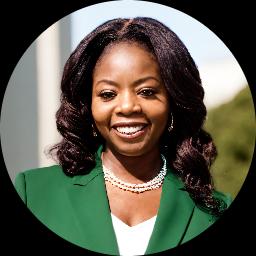
Quenette Freeman
Californian LCSW focusing on family needs
- Credentials
- LCSW
- Experience
- 8 years
- Licensed in
- California
- Languages
- English
- Format
- Online sessions
About Quenette
Quenette Freeman is a licensed clinical social worker who focuses on family and parenting concerns among a broad range of life stresses. She writes in plain terms and aims to help people manage anxiety, grief, anger, low self-worth, and changes that feel overwhelming. Her style is practical and direct, with short-term plans when that fits a person's goals.
She brings eight years of experience as an LCSW in California and uses straightforward tools drawn from cognitive behavioral ideas and mindfulness.
Background and approach
Those tools are intended to help people notice patterns, shift unhelpful thoughts, and build healthier daily routines. She also draws on client-centered principles to keep sessions grounded in each person's priorities. Quenette commonly helps people handle relationship strain, trauma and abuse-related concerns, sleep problems, parenting stress, and career-related distress.
She also addresses issues like attachment wounds, caregiver burnout, communication breakdowns, and grief after loss. Additional areas of focus include panic, depression, bipolar concerns, and multicultural or veteran-related stress. Her approach often combines brief, skills-focused work with deeper processing when needed.
EMDR may be used for trauma-related symptoms, while motivational interviewing supports readiness for change. Sessions are aimed at building clear, usable strategies that fit everyday life. People who choose Quenette can expect a collaborative process where their goals guide the work.
She emphasizes practical steps, real-world practice, and tracking progress so changes are noticeable between sessions.
Therapeutic approaches and how they work online
Client-centered therapy focuses on listening and reflecting back what matters to the person. It helps people feel heard and sets goals based on their own priorities rather than a preset plan.Cognitive Behavioral Therapy, or CBT, teaches simple skills to notice and change unhelpful thoughts and behaviors. It is useful for anxiety, depression, panic, sleep problems, and stress related to parenting or work.
Eye Movement Desensitization and Reprocessing, EMDR, is a structured method used to process distressing memories. It can be helpful for trauma-related symptoms when a client and therapist agree it is appropriate.
Finding the right combination of these approaches is part of the work. The therapist collaborates with each person to choose methods that match their goals, preferences, and the problems they bring. This means trying practical tools first or using deeper processing when needed.
Online therapy offers flexible ways to connect. Video calls let the therapist and client meet face-to-face from different locations. Phone sessions, live chat, and text messaging provide shorter or more frequent contact for check-ins, skill practice, and support between meetings. These options make it easier to fit therapy into busy family and work schedules and to keep momentum between sessions.
Client-Centered Therapy
The direction comes from you rather than from a set programme. The therapist offers a warm, non-judgemental space to think out loud and work at your own pace. Online, this rests on the relationship rather than on being in the same room.
Cognitive Behavioral Therapy (CBT)
CBT looks at the link between what you think, how you feel, and what you do. You work on noticing unhelpful patterns and practising steadier responses. It suits online sessions well, because much of the work happens between appointments and can be talked through from anywhere.
EMDR
A structured protocol used with distressing memories, pairing recall with guided attention tasks. Some therapists adapt it for video sessions; whether that fits is worth asking about directly.
Frequently asked questions
What concerns does Quenette commonly help with?
How would you describe her therapy style?
What is her professional background?
Where is she licensed and based?
Which languages are offered for sessions?
What formats are available for meeting online?
How does payment and cost work?
How do I begin working with her?
Specialties and expertise
Top specialties
- Stress, Anxiety
- Grief
- Anger management
Also works with
- Abandonment
- Attachment issues
- Bipolar disorder
- Career difficulties
- Caregiver issues and stress
- Communication problems
- Compassion fatigue
- Control issues
- Coping with life changes
- Depression
- Dissociation
- Domestic violence
- Family conflicts
- Family of origin issues
- First responder issues
- Guilt and shame
- Infidelity
- Intimacy-related issues
- LGBT
- Midlife crisis
- Multicultural concerns
- Panic disorder and panic attacks
- Parenting issues
- Polyamory / non-monogamous relationships
- Post-traumatic stress
- Postpartum depression
- Prejudice and discrimination
- Relationship issues
- Self esteem
- Self-love
- Sleeping disorders
- Trauma and abuse
- Veteran and Armed Forces Issues
- Women's issues
- Workplace issues
Therapeutic approaches
- Experience
- 8 years
- Licensed
- California
- Languages
- English
Next step
Talk to Quenette
- Takes a few minutes
- Nothing to set up just to look
- Stop at any point