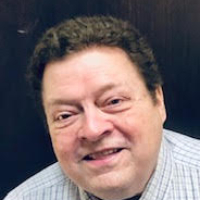
Dr. Philip Townsend
Calm, practical help for life and relationships
- Credentials
- TX Psychologist 21868
- Experience
- 45 years
- Licensed in
- Texas
- Languages
- English
- Format
- Online sessions
About Philip
Dr. Philip Townsend uses a practical, client-centered approach to help people manage life’s stresses and improve relationships. He focuses on building clear tools and skills that address anxiety, depression, parenting concerns, and everyday struggles.
Dr. Townsend draws from cognitive-behavioral and mindfulness strategies to create plans that match each person’s situation. He is licensed as TX Psychologist 21868 and has practiced in Texas for decades.
Across a long career he has worked with a wide range of problems including addiction, trauma and abuse, grief, eating concerns, ADHD, bipolar mood issues, and intimacy-related difficulties.
Background and approach
He also addresses issues such as abandonment, attachment concerns, blended family issues, codependency, and communication problems. His approach favors straightforward skill-building over jargon and long theoretical descriptions. Dr.
Townsend trained at the University of Houston, earning a doctorate in Clinical Psychology. Early clinical work included psychological services in military settings and developing adolescent services for a state rehabilitation program. He later established a independent practice and consulted for public school districts on programs for special needs students.
In sessions he looks for strengths to build on and creates concrete steps toward the goals people bring. He values honest communication and offers direct feedback rather than empty reassurance. The aim is steady improvement in self-esteem, coping, and daily functioning.
With 45 years of experience, Dr. Townsend combines hands-on techniques from cognitive-behavioral therapy, dialectical behavior therapy, and client-centered work. He helps people translate insights into habits that make life easier and relationships clearer.
Practical approaches you can use online
Dr. Townsend draws on cognitive-behavioral therapy and dialectical behavior therapy alongside client-centered work to help people change unhelpful patterns and build useful skills. Cognitive-behavioral therapy (CBT) focuses on identifying unhelpful thoughts and testing them with real-life experiments to reduce anxiety or depression. Dialectical behavior therapy (DBT) emphasizes emotional regulation, distress tolerance, and better interpersonal skills, which can help with impulsivity, anger, and relationship conflicts. Client-centered therapy centers conversations on the person’s goals and values, offering empathy and direct feedback to support clearer choices.Finding the right approach is part of the process. The therapist will talk with the client about problems, goals, and what feels most helpful, then shape sessions around those preferences. This collaborative process makes it easier to try techniques and adjust them when needed.
Online sessions use video calls, phone sessions, live chat, or text-based messaging to make therapy more flexible. These options let people fit sessions around school, work, or caregiving responsibilities and keep momentum between meetings. The range of formats supports both real-time conversations and brief check-ins so therapy can match a family’s or individual’s day-to-day life.
Client-Centered Therapy
The direction comes from you rather than from a set programme. The therapist offers a warm, non-judgemental space to think out loud and work at your own pace. Online, this rests on the relationship rather than on being in the same room.
Cognitive Behavioral Therapy (CBT)
CBT looks at the link between what you think, how you feel, and what you do. You work on noticing unhelpful patterns and practising steadier responses. It suits online sessions well, because much of the work happens between appointments and can be talked through from anywhere.
Dialectical Behavior Therapy (DBT)
Concrete skills for riding out strong emotion, tolerating distress, and handling relationships without things escalating. The skills are practised in daily life, so between-session support by message or phone fits naturally.
Frequently asked questions
What concerns does he help with?
What is his general therapeutic style?
How long has he practiced?
What are his credentials and location?
Which languages are supported?
What session formats are available?
How are costs handled?
How do I start working with him?
Specialties and expertise
Top specialties
- Stress, Anxiety
- Relationship issues
- Family conflicts
Also works with
- Abandonment
- Addictions
- ADHD
- Anger management
- Antisocial personality
- Attachment issues
- Bipolar disorder
- Blended family issues
- Codependency
- Communication problems
- Compassion fatigue
- Control issues
- Coping with life changes
- Coping with natural or human-caused disaster
- Dependent personality
- Depression
- Disruptive Mood Dysregulation Disorder (DMDD)
- Eating disorders
- Family problems
- Forgiveness
- Grief
- Guilt and shame
- Impulsivity
- Intimacy-related issues
- Isolation / loneliness
- LGBT
- Life purpose
- Men's issues
- Midlife crisis
- Mood disorders
- Multicultural concerns
- Obsessions, compulsions, and OCD
- Panic disorder and panic attacks
- Parenting issues
- Personality disorders
- Phobias
- Post-traumatic stress
- Seasonal Affective Disorder (SAD)
- Self esteem
- Self-love
- Sex addiction
- Sexuality
- Social anxiety and phobia
- Trauma and abuse
- Young adult issues
Therapeutic approaches
- Experience
- 45 years
- Licensed
- Texas
- Languages
- English
Next step
Talk to Philip
- Takes a few minutes
- Nothing to set up just to look
- Stop at any point