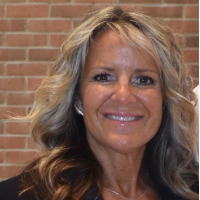
Patricia Foyder-DeVoe
Compassionate help for families and relationships
- Credentials
- LCSW
- Experience
- 25 years
- Licensed in
- New York
- Languages
- English, Spanish
- Format
- Online sessions
About Patricia
Patricia Foyder-DeVoe is a Licensed Clinical Social Worker (LCSW) with 25 years of experience helping people through stressful and painful life moments. She brings a warm, down-to-earth presence to sessions and focuses on clear, practical steps. Patricia aims to make therapy a straightforward process for parents and families facing relationship strain, parenting challenges, anxiety, depression, grief, or addiction concerns.
She trained at Fordham University, earning both a Bachelor of Science and a Master of Social Work.
Background and approach
Early in her career she worked in a community mental health clinic and moved into supervisory clinical roles before opening a independent practice. That path gave her broad experience with individual clients and family systems in New York. Patricia bases her work on psychodynamic ideas while drawing on several other methods to meet each person’s needs.
She likes to build honest rapport first, then set clear goals together. Sessions include talk, practical strategies, and ways to manage emotions and day-to-day problems. Common concerns she addresses include relationship problems, parenting conflicts, stress and anxiety, mood difficulties, trauma and grief, intimacy issues, eating and body image matters, and work or career transitions.
She also supports people dealing with attachment and abandonment issues, caregiving stress, chronic illness, and codependency. Therapy is offered in English and Spanish. Patricia uses a blend of approaches such as Cognitive Behavioral Therapy and Emotionally-Focused Therapy alongside psychodynamic work, tailoring the mix to each person.
She aims to help clients find tangible changes while understanding how past patterns affect today’s choices.
Therapeutic approaches adapted for online family support
Patricia uses Client-Centered Therapy and Cognitive Behavioral Therapy as core tools she brings into online sessions. Client-Centered Therapy focuses on listening closely and creating a respectful space where people feel heard; it helps clients clarify what they want to change and gain confidence to try new ways of relating. Cognitive Behavioral Therapy (CBT) looks at unhelpful thoughts and behaviors and teaches concrete skills to reduce anxiety, manage mood, and handle parenting or relationship stress.She also draws on Dialectical Behavior Therapy techniques when intense emotions or relationship patterns need steadier coping skills. DBT offers straightforward tools for handling big feelings, improving communication, and building routines that reduce conflict in family life. Patricia uses these methods together rather than relying on a single model, and she talks with each person to figure out which approach or mix will fit their goals and preferences.
Online therapy with Patricia uses video calls, phone sessions, live chat, or text-based messaging to make care more flexible. These formats let parents fit therapy into busy days, follow up between sessions with messages if helpful, and choose the style that feels most comfortable. She works with clients to find an online rhythm that supports steady progress while adapting exercises and skills to remote sessions.
Client-Centered Therapy
The direction comes from you rather than from a set programme. The therapist offers a warm, non-judgemental space to think out loud and work at your own pace. Online, this rests on the relationship rather than on being in the same room.
Cognitive Behavioral Therapy (CBT)
CBT looks at the link between what you think, how you feel, and what you do. You work on noticing unhelpful patterns and practising steadier responses. It suits online sessions well, because much of the work happens between appointments and can be talked through from anywhere.
Dialectical Behavior Therapy (DBT)
Concrete skills for riding out strong emotion, tolerating distress, and handling relationships without things escalating. The skills are practised in daily life, so between-session support by message or phone fits naturally.
Frequently asked questions
What issues does Patricia focus on?
What is her general therapy style?
How long has she been practicing?
What are her credentials and where is she based?
Which languages are supported?
What session formats are available?
How are fees and billing handled?
How do I begin working with Patricia?
Specialties and expertise
Top specialties
- Stress, Anxiety
- Relationship issues
- Self esteem
Also works with
- Abandonment
- Addictions
- ADHD
- Attachment issues
- Autism and Asperger Syndrome
- Bipolar disorder
- Body image
- Cancer
- Career difficulties
- Caregiver issues and stress
- Chronic pain, illness, and disability
- Coaching
- Codependency
- Communication problems
- Compassion fatigue
- Control issues
- Coping with life changes
- Coping with natural or human-caused disaster
- Dependent personality
- Depression
- Divorce and separation
- Domestic violence
- Eating and food-related issues
- Eating disorders
- Emptiness
- Family conflicts
- Family of origin issues
- Family problems
- Fertility issues
- First responder issues
- Forgiveness
- Grief
- Guilt and shame
- Hoarding
- Hospice and end-of-life counseling
- Immigration issues
- Impulsivity
- Infidelity
- Intimacy-related issues
- Isolation / loneliness
- Jealousy
- Life purpose
- Midlife crisis
- Money and financial issues
- Multicultural concerns
- Narcissism
- Obsessions, compulsions, and OCD
- Panic disorder and panic attacks
- Parenting issues
- Personality disorders
- Phobias
- Post-traumatic stress
- Postpartum depression
- Pregnancy and childbirth
- Seasonal Affective Disorder (SAD)
- Self-harm
- Self-love
- Smoking / vaping cessation
- Social anxiety and phobia
- Somatization
- Trauma and abuse
- Women's issues
- Workplace issues
- Young adult issues
Therapeutic approaches
- Experience
- 25 years
- Licensed
- New York
- Languages
- English, Spanish
Next step
Talk to Patricia
- Takes a few minutes
- Nothing to set up just to look
- Stop at any point