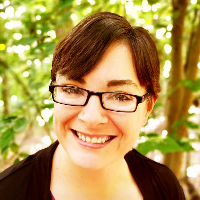
Monique Rourk
Compassionate therapy with practical skills
- Credentials
- LMHC, LPC
- Experience
- 20 years
- Licensed in
- Michigan, Washington
- Languages
- English
- Format
- Online sessions
About Monique
Monique Rourk is a Licensed Mental Health Counselor who focuses on stress, anxiety, addiction, trauma and abuse, self-esteem, depression, relationship and family concerns, grief, intimacy-related issues, anger, bipolar disorder, coping with life changes, and ADHD. She presents a calm and down-to-earth approach that aims to make conversations feel straightforward and practical.
Sessions are collaborative - clients help set goals and choose the ways to reach them. Monique uses both talk-based work and skill-building to meet immediate needs and long-term change.
Background and approach
She brings 20 years of experience in counseling and holds a master's degree in Mental Health Counseling. Monique practices using a mix of client-centered methods and cognitive behavioral techniques, and she layers in other methods like dialectical behavior skills, mindfulness, and motivational interviewing when helpful. She describes her style as compassionate, non-judgmental, and flexible to where a person is in life.
In sessions she focuses on safety, self-awareness, and practical coping skills. Therapy can include processing feelings, learning emotion regulation skills, and developing problem-solving strategies. She also addresses sexual concerns including BDSM and kink in a respectful, non-shaming way when those topics are part of someone’s needs.
Monique works with people who want to reduce distress and change patterns that get in the way of feeling better. Her work emphasizes building a clearer sense of self and practical daily tools. She is licensed to practice as LMHC and LPC and sees clients in Michigan.
Background and approach: Over two decades in the field have shaped a broadly integrative practice. She has specialized trauma training and uses evidence-based therapies to help people stabilize, increase emotional regulation, and move toward more fulfilling daily life. Goals and plans are created together, and therapy is adjusted to each person’s pace and situation.
Approaches used in online sessions and how they help
Client-centered therapy focuses on understanding each person without judgment and following their priorities. It helps when someone needs acceptance, clearer self-awareness, and a say in how therapy proceeds. Cognitive Behavioral Therapy, or CBT, looks at patterns of thought and behavior and teaches practical steps to change unhelpful habits. It is useful for anxiety, depression, and problem-solving day-to-day stressors. Dialectical Behavior Therapy, or DBT, teaches specific skills for managing strong emotions and improving relationships. These skills can help with intense mood swings, anger, and stability when emotions feel overwhelming.Finding the best fit is part of the work. The therapist will talk with each person about goals and preferences and will mix these approaches as needed. This is a collaborative process where methods are adjusted based on what is helping and what feels manageable for the client.
Online therapy offers flexible ways to connect, including video calls, phone sessions, live chat, and text-based messaging. Those options make it easier to fit sessions into busy days and to receive support from home. Licensed professionals can teach skills, guide emotional processing, and work on problem-solving through these formats while adapting tools to whatever communication method the client prefers.
Client-Centered Therapy
The direction comes from you rather than from a set programme. The therapist offers a warm, non-judgemental space to think out loud and work at your own pace. Online, this rests on the relationship rather than on being in the same room.
Cognitive Behavioral Therapy (CBT)
CBT looks at the link between what you think, how you feel, and what you do. You work on noticing unhelpful patterns and practising steadier responses. It suits online sessions well, because much of the work happens between appointments and can be talked through from anywhere.
Dialectical Behavior Therapy (DBT)
Concrete skills for riding out strong emotion, tolerating distress, and handling relationships without things escalating. The skills are practised in daily life, so between-session support by message or phone fits naturally.
Frequently asked questions
What concerns does she address?
How would you describe her therapy style?
What is her professional background?
Where does she practice and what are her credentials?
Which languages are used in sessions?
What session formats are available?
How are costs and subscriptions handled?
What steps are involved in getting started?
Specialties and expertise
Top specialties
Also works with
- Abandonment
- ADHD
- Anger management
- Attachment issues
- BDSM, kink, and alternative sex culture
- Bipolar disorder
- Body image
- Co-morbidity
- Codependency
- Commitment issues
- Communication problems
- Control issues
- Coping with life changes
- Dependent personality
- Depression
- Divorce and separation
- Domestic violence
- Drug and alcohol addiction
- Emptiness
- Family conflicts
- Forgiveness
- Grief
- Guilt and shame
- Impulsivity
- Infidelity
- Intimacy-related issues
- Isolation / loneliness
- Jealousy
- Life purpose
- Mood disorders
- Obsessions, compulsions, and OCD
- Panic disorder and panic attacks
- Paranoia
- Personality disorders
- Phobias
- Polyamory / non-monogamous relationships
- Post-traumatic stress
- Process addiction (porn, exercise, gambling)
- Relationship issues
- Seasonal Affective Disorder (SAD)
- Self esteem
- Self-harm
- Self-love
- Sexual assault and abuse
- Sexuality
- Smoking / vaping cessation
- Social anxiety and phobia
- Veteran and Armed Forces Issues
- Women's issues
Therapeutic approaches
- Experience
- 20 years
- Licensed
- Michigan, Washington
- Languages
- English
Next step
Talk to Monique
- Takes a few minutes
- Nothing to set up just to look
- Stop at any point