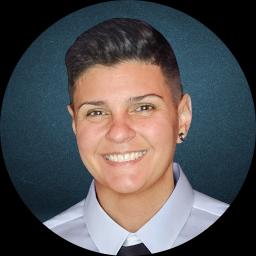
Michelle Harmolin
Calm, practical support for parenting and life changes
- Credentials
- LPC
- Experience
- 8 years
- Licensed in
- New Jersey
- Languages
- English
- Format
- Online sessions
About Michelle
Michelle Harmolin is a Licensed Professional Counselor (LPC) practicing in New Jersey. She works with people facing stress, anxiety, anger, low self-esteem, depression, grief, parenting concerns, and addiction. She also supports those coping with relationship and family challenges, compassion fatigue, and issues tied to identity such as gender dysphoria and LGBT concerns.
Her style is direct and empathetic. Sessions focus on practical skills and clear steps. Conversations prioritize what feels most urgent to the client and build from there.
Background and approach
Michelle uses evidence-based tools tailored to each person. She blends cognitive behavioral techniques, mindfulness, and client-centered conversations to reduce overwhelming feelings and improve daily functioning. Motivational interviewing and dialectical behavior approaches are added when someone needs help with strong emotions or making behavior changes.
She aims to help people notice patterns, practice new responses, and build routines that stick. Therapy often includes short exercises, skill practice between sessions, and check-ins about progress. The pace is set by the client’s needs.
Michelle has eight years of clinical experience and holds the New Jersey LPC number 37PC00824000. Sessions are offered in English and are provided remotely through a combination of video calls, phone, live chat, and text-based messaging. To begin, a person selects the Start Therapy button, completes a brief matching questionnaire, and schedules a session according to the therapist’s availability.
Therapy approaches and online options that fit your life
Client-Centered Therapy emphasizes listening and acceptance. It gives the person space to talk and be heard while the therapist reflects concerns back and supports self-directed change. This approach helps when someone needs an understanding, steady presence to work through feelings.Cognitive Behavioral Therapy, or CBT, focuses on spotting unhelpful thoughts and testing them against real-life evidence. It uses small experiments and practical activities to reduce anxiety, lift mood, and change behaviors that get in the way of daily life.
Dialectical Behavior Therapy, DBT, teaches skills for managing intense emotions and improving relationships. It offers concrete strategies for distress tolerance, emotional regulation, and clearer communication when feelings run high.
Choosing the right approach is a collaborative process. The therapist will talk with the client about goals, try methods that fit those goals, and adjust strategies based on what helps. Together they decide which tools to use and when to combine approaches.
Online therapy offers flexibility through video calls, phone sessions, live chat, or text-based messaging. These options make it easier to fit appointments into busy schedules, use shorter check-ins between full sessions, and maintain continuity when routines change. Licensed professionals can adapt exercises and homework to work well in remote formats, so progress can continue even when meeting virtually.
Client-Centered Therapy
The direction comes from you rather than from a set programme. The therapist offers a warm, non-judgemental space to think out loud and work at your own pace. Online, this rests on the relationship rather than on being in the same room.
Cognitive Behavioral Therapy (CBT)
CBT looks at the link between what you think, how you feel, and what you do. You work on noticing unhelpful patterns and practising steadier responses. It suits online sessions well, because much of the work happens between appointments and can be talked through from anywhere.
Dialectical Behavior Therapy (DBT)
Concrete skills for riding out strong emotion, tolerating distress, and handling relationships without things escalating. The skills are practised in daily life, so between-session support by message or phone fits naturally.
Frequently asked questions
What concerns does Michelle address?
What is her therapeutic style like?
How much clinical experience does she have?
What credentials and location apply?
Which languages are supported for sessions?
What formats are available for meetings?
How are fees and payment handled?
How do I begin working with her?
Specialties and expertise
Top specialties
- Stress, Anxiety
- Anger management
- Self esteem
Also works with
- Abandonment
- Addictions
- Attachment issues
- Avoidant personality
- Codependency
- Communication problems
- Compassion fatigue
- Control issues
- Coping with life changes
- Depression
- Drug and alcohol addiction
- Emptiness
- Family conflicts
- Family problems
- Forgiveness
- Gender dysphoria
- Grief
- Guilt and shame
- Impulsivity
- Isolation / loneliness
- Jealousy
- LGBT
- Life purpose
- Mood disorders
- Multicultural concerns
- Panic disorder and panic attacks
- Parenting issues
- Phobias
- Relationship issues
- Seasonal Affective Disorder (SAD)
- Self-harm
- Self-love
- Sexuality
- Social anxiety and phobia
- Women's issues
- Young adult issues
Therapeutic approaches
- Experience
- 8 years
- Licensed
- New Jersey
- Languages
- English
Next step
Talk to Michelle
- Takes a few minutes
- Nothing to set up just to look
- Stop at any point