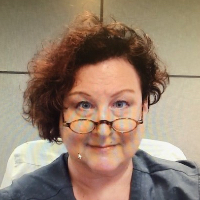
Kim Padula
Supportive guidance for everyday family life
- Credentials
- LCSW
- Experience
- 26 years
- Licensed in
- Tennessee
- Languages
- English
- Format
- Online sessions
About Kim
Kim Padula is a licensed clinical social worker with 26 years of experience who supports people facing stress, anxiety, depression, addictions, grief, and life transitions. She offers a practical, down-to-earth style that helps people gain perspective and more choice in how they respond to problems. Kim emphasizes strengths and sees therapy as a teamwork process where goals are clear and measurable.
Her approach is grounded in well-established techniques and aims for useful change, not just insight.
Background and approach
In early sessions she reviews a person's history and important relationships to understand what has shaped current struggles. She and the client map out objectives and a plan for the work ahead, checking in and adjusting the plan as needed. Sessions tend to focus on building coping skills, emotional regulation, and clearer decision making.
Kim blends structured methods with attention to personal meaning and life purpose. Her training includes a master’s in Clinical Social Work and a psychology undergraduate background. She draws on therapies that teach practical skills as well as approaches that explore values and identity.
The goal is to balance coping tools with deeper self-understanding so clients feel more able to handle everyday stresses. Kim works with concerns across mood, addiction, career, and relationship areas, including compassion fatigue and caregiver stress. She practices in Tennessee and conducts sessions in English.
She is available to international clients and provides multiple remote session formats. Getting started involves a short matching questionnaire and scheduling a session that fits the client’s needs. Kim invites questions and frames the work as collaborative from the first visit.
Therapeutic approaches and online flexibility
Kim commonly uses Cognitive Behavioral Therapy and Client-Centered Therapy to address practical problems and emotional patterns. Cognitive Behavioral Therapy, or CBT, focuses on identifying unhelpful thoughts and testing new behaviors to reduce symptoms like anxiety, panic, or low mood. Client-Centered Therapy emphasizes listening, empathy, and building on a person’s strengths to help them feel understood and more able to make choices.She also draws on Dialectical Behavior Therapy when emotion regulation and coping skills are needed; DBT teaches concrete strategies for handling intense feelings and improving interpersonal effectiveness. Kim approaches methods collaboratively and will work with each person to figure out the mix of techniques that best fits their needs and goals. Choosing the right approach is part of the process and she revises the plan as progress and preferences emerge.
Online formats include video calls, phone sessions, live chat, and text-based messaging, which make it easier to fit therapy into a busy life or when in-person visits are impractical. These options let people connect from different locations, maintain regular contact, and continue care during life transitions. She uses these formats to provide consistent, goal-focused work while adapting session style to what helps each person most.
Client-Centered Therapy
The direction comes from you rather than from a set programme. The therapist offers a warm, non-judgemental space to think out loud and work at your own pace. Online, this rests on the relationship rather than on being in the same room.
Cognitive Behavioral Therapy (CBT)
CBT looks at the link between what you think, how you feel, and what you do. You work on noticing unhelpful patterns and practising steadier responses. It suits online sessions well, because much of the work happens between appointments and can be talked through from anywhere.
Dialectical Behavior Therapy (DBT)
Concrete skills for riding out strong emotion, tolerating distress, and handling relationships without things escalating. The skills are practised in daily life, so between-session support by message or phone fits naturally.
Frequently asked questions
What kinds of problems does Kim help with?
How would you describe her therapy style?
What is her clinical background?
Where does she practice and what are her credentials?
Which languages are supported for sessions?
What session formats are offered?
How are fees and billing handled?
How do I begin working with Kim?
Specialties and expertise
Top specialties
- Stress, Anxiety
- Addictions
- Bipolar disorder
Also works with
- Aging and geriatric issues
- Anger management
- Career difficulties
- Caregiver issues and stress
- Co-morbidity
- Coaching
- Codependency
- Communication problems
- Compassion fatigue
- Coping with life changes
- Coping with natural or human-caused disaster
- Depression
- Divorce and separation
- Drug and alcohol addiction
- Family conflicts
- Family of origin issues
- First responder issues
- Forgiveness
- Grief
- LGBT
- Life purpose
- Midlife crisis
- Mood disorders
- Panic disorder and panic attacks
- Prejudice and discrimination
- Relationship issues
- Self esteem
- Self-love
- Social anxiety and phobia
- Women's issues
- Workplace issues
Therapeutic approaches
- Experience
- 26 years
- Licensed
- Tennessee
- Languages
- English
Next step
Talk to Kim
- Takes a few minutes
- Nothing to set up just to look
- Stop at any point