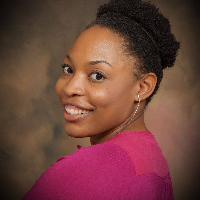
Dr. Janeisha Anderson-LaBranch
Compassionate, practical support for family and life changes
- Credentials
- LMFT
- Experience
- 15 years
- Licensed in
- Texas, Pennsylvania, Hawaii
- Languages
- English
- Format
- Online sessions
About Janeisha
Dr. Janeisha Anderson-LaBranch offers practical support for people feeling overwhelmed by stress, anxiety, relationship strain, and major life changes. She writes and speaks plainly, helping clients identify small steps that ease daily pressure and improve communication.
Her style aims to make therapy feel doable, not intimidating, for busy parents and adults juggling many demands. Dr. Anderson-LaBranch is a licensed marriage and family therapist - LMFT - with 15 years of clinical experience based in Texas.
Background and approach
She focuses on common concerns like self-esteem, family problems, and navigating transitions. She also addresses issues such as attachment, abandonment, body image, and challenges around commitment and control. Her approach pulls from well-known, practical methods.
Cognitive Behavioral Therapy helps people spot and change unhelpful thoughts. Emotionally-Focused Therapy and the Gottman Method guide work on connection and communication within close relationships. Solution-Focused Therapy highlights immediate, achievable goals to move forward.
In sessions she listens for strengths and patterns, then works with clients to build skills they can use at home. That often means practicing communication, testing new responses, and setting realistic steps between meetings. She balances empathy with clear suggestions so progress feels steady.
Dr. Anderson-LaBranch sees clients in Texas and conducts sessions in English. Her licensing information includes HI LMFT MFT-988 and TX LMFT 202316.
The emphasis is on helpful, straightforward work that fits into real life.
How clinical approaches guide online family and life work
Client-Centered Therapy centers the client's perspective and priorities, helping the therapist follow what matters most and support personal choice and growth. It is useful for people who need a steady, respectful space to sort feelings and decide next steps.Cognitive Behavioral Therapy, or CBT, focuses on the link between thoughts, feelings, and actions. In practice this means identifying unhelpful thinking patterns, testing them, and trying new behaviors to reduce anxiety and manage stress.
Emotionally-Focused Therapy (EFT) helps people understand and reshape patterns of emotional connection and communication. It is often used when relationship stresses or attachment concerns are central to the work.
Finding the right approach is part of the therapy process. The therapist will listen to your concerns, goals, and preferences and then recommend which methods to try first. That choice is collaborative and can change as work progresses.
Online therapy offers flexible ways to meet - video calls, phone sessions, live chat, or text-based messaging. These formats make it easier to fit sessions into a busy life, maintain continuity during transitions, and practice skills between meetings. Licensed professionals adapt these methods to work well over distance while focusing on practical tools and improved daily functioning.
Client-Centered Therapy
The direction comes from you rather than from a set programme. The therapist offers a warm, non-judgemental space to think out loud and work at your own pace. Online, this rests on the relationship rather than on being in the same room.
Cognitive Behavioral Therapy (CBT)
CBT looks at the link between what you think, how you feel, and what you do. You work on noticing unhelpful patterns and practising steadier responses. It suits online sessions well, because much of the work happens between appointments and can be talked through from anywhere.
Emotionally-Focused Therapy (EFT)
Attends to the emotions underneath a recurring argument or distance, and to the attachment needs driving them. Often used where a relationship keeps returning to the same painful loop.
Frequently asked questions
What kinds of problems does she address?
What is her therapeutic style like?
How much clinical experience does she have?
Where is she licensed and located?
Can I work with her if I live outside the United States?
What session formats are available?
How are sessions paid for and what does cost look like?
How do I begin with her?
Specialties and expertise
Top specialties
- Stress, Anxiety
- Relationship issues
- Family conflicts
Also works with
- Abandonment
- Attachment issues
- Avoidant personality
- Body image
- Caregiver issues and stress
- Commitment issues
- Communication problems
- Control issues
- Coping with life changes
- Divorce and separation
- Emptiness
- Family of origin issues
- Family problems
- Fatherhood issues
- Forgiveness
- Guilt and shame
- Infidelity
- Isolation / loneliness
- LGBT
- Life purpose
- Men's issues
- Money and financial issues
- Multicultural concerns
- Panic disorder and panic attacks
- Post-traumatic stress
- Pregnancy and childbirth
- Prejudice and discrimination
- Self esteem
- Self-love
- Social anxiety and phobia
- Women's issues
- Workplace issues
- Young adult issues
Therapeutic approaches
- Experience
- 15 years
- Licensed
- Texas, Pennsylvania, Hawaii, Florida, District of Columbia, Virginia
- Languages
- English
Next step
Talk to Janeisha
- Takes a few minutes
- Nothing to set up just to look
- Stop at any point