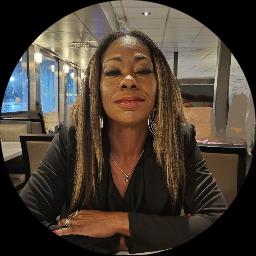
Fanteema Barnes-Watson
Calm, practical guidance for family and parenting challenges
- Credentials
- LCSW
- Experience
- 25 years
- Licensed in
- New Jersey, New York, North Carolina
- Languages
- English
- Format
- Online sessions
About Fanteema
Fanteema Barnes-Watson is a licensed clinical social worker who brings 25 years of experience to helping people facing stress, anxiety, depression, trauma, and relationship struggles. She is based in North Carolina and works with concerns related to parenting, family, grief, self-esteem, and LGBT issues. Her style is warm and straightforward, focused on practical steps that clients can use between sessions.
In sessions she listens for what feels most urgent and works with clients to set clear, achievable goals.
Background and approach
She uses everyday language and offers tools that target thoughts, emotions, and behaviors. The work can include skills for managing strong emotions, ways to shift unhelpful thinking, and guidance for improving communication. Her approach draws on cognitive behavioral therapy, dialectical behavior therapy, mindfulness, solution-focused techniques, and trauma-focused methods.
These methods are chosen to match the problem at hand, such as easing anxiety, processing traumatic events, or improving coping during life changes. Over the years she has supported people dealing with anger, compassion fatigue, career stress, and the effects of prejudice and discrimination. Fanteema emphasizes building self-compassion and practical resilience.
She helps clients untangle family-of-origin patterns, address guilt or shame, and find clearer direction in life. Her sessions aim to leave clients with real strategies they can try between meetings. Clients can expect a collaborative relationship where progress is tracked and adjustments are made when needed.
She offers services in English and is licensed as an LCSW with credentials in New York and North Carolina.
Practical approaches for online family and parenting support
Fanteema uses cognitive behavioral therapy and trauma-focused therapy as core ways to help people. Cognitive behavioral therapy (CBT) focuses on identifying and changing unhelpful thoughts and behaviors, which can reduce anxiety and improve mood. Trauma-focused therapy helps people process and work through past hurt so symptoms like flashbacks or high reactivity can lessen over time.She also draws from dialectical behavior therapy techniques and mindfulness practices to help manage intense emotions and build moment-to-moment awareness. DBT supplies clear coping skills for distress tolerance and emotion regulation, while mindfulness exercises teach simple ways to stay grounded during stress.
Finding the right mix of approaches is a collaborative process. The therapist will talk with clients about goals, preferences, and what has or hasn’t helped before. Together they choose strategies to try and adjust them as progress is made.
Online sessions make it easier to fit therapy into a busy life. Video calls allow real-time conversation and visual connection, while phone sessions offer a simpler option when video is not possible. Live chat and text-based messaging provide shorter, flexible check-ins and skill practice between sessions. These options increase accessibility and let people work on parenting and family concerns from home or another familiar place.
Cognitive Behavioral Therapy (CBT)
CBT looks at the link between what you think, how you feel, and what you do. You work on noticing unhelpful patterns and practising steadier responses. It suits online sessions well, because much of the work happens between appointments and can be talked through from anywhere.
Dialectical Behavior Therapy (DBT)
Concrete skills for riding out strong emotion, tolerating distress, and handling relationships without things escalating. The skills are practised in daily life, so between-session support by message or phone fits naturally.
Mindfulness Therapy
Attention training: noticing thoughts and physical feelings as they arrive without being carried off by them. Much of it is practice you do yourself, so guidance over video or audio works much as it would in person.
Frequently asked questions
What concerns does she commonly address?
What is her general therapy style?
How much clinical experience does she have?
Which credentials and location apply?
Can sessions be conducted in other languages or internationally?
What session formats are available?
How are fees handled?
How do I begin working with her?
Specialties and expertise
Top specialties
- Stress, Anxiety
- Relationship issues
- Trauma and abuse
Also works with
- Anger management
- Career difficulties
- Communication problems
- Compassion fatigue
- Coping with life changes
- Depression
- Family conflicts
- Family of origin issues
- Family problems
- Forgiveness
- Grief
- Guilt and shame
- Isolation / loneliness
- LGBT
- Life purpose
- Multicultural concerns
- Parenting issues
- Polyamory / non-monogamous relationships
- Post-traumatic stress
- Prejudice and discrimination
- Self esteem
- Self-love
- Sexual assault and abuse
- Social anxiety and phobia
- Veteran and Armed Forces Issues
- Women's issues
- Workplace issues
- Young adult issues
Therapeutic approaches
- Experience
- 25 years
- Licensed
- New Jersey, New York, North Carolina
- Languages
- English
Next step
Talk to Fanteema
- Takes a few minutes
- Nothing to set up just to look
- Stop at any point