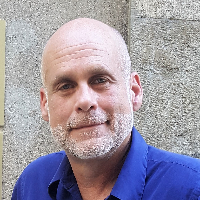
Dion Smith
Trauma-informed counselor for families and parents
- Credentials
- LPC
- Experience
- 10 years
- Licensed in
- Texas
- Languages
- English
- Format
- Online sessions
About Dion
Dion Smith is a Licensed Professional Counselor (LPC) based in Texas who focuses on family and parenting concerns along with a wide range of related issues. He helps people facing stress, anxiety, depression, substance use, trauma, grief, intimacy problems, and challenges around self-esteem and career changes.
He brings ten years of professional experience to sessions and draws on prior work in school psychology and civilian contracting for Department of Defense programs.
Background and approach
Dion designs care around each person’s needs and goals. He starts by listening and learning what matters most to the client. Then he uses a mix of approaches aimed at symptom relief and building long-term coping skills.
Sessions often include practical exercises, mindfulness practice, and talk-based problem solving. He has particular experience addressing trauma and addiction and has supported service members with the stresses of military life and the move back to civilian routines. Earlier training began in 1994 as a master’s-level specialist in school psychology before moving into counseling practice and licensure.
Dion can provide assessment and make informed referrals when a different or additional service would better meet a client’s needs. He emphasizes clear, individualized plans rather than one-size-fits-all solutions. The goal is steady progress toward the changes a person wants.
Sessions are offered in English and are arranged to match each client’s schedule and preferences. Dion uses several evidence-based methods such as cognitive-behavioral techniques and EMDR where appropriate, always tailoring interventions to the situation and goals.
Approaches for online work and what they do
Client-Centered Therapy focuses on listening and building a trusting relationship. The therapist follows the person’s lead, reflects concerns back, and helps clients decide what goals matter most. This approach is useful when people need a steady, understanding presence while they sort out problems.Cognitive Behavioral Therapy, or CBT, looks at patterns of thought and behavior that keep problems going. It uses practical exercises and homework to change unhelpful habits and reduce symptoms like anxiety or depression. CBT suits people who want clear tools to use between sessions.
Eye Movement Desensitization and Reprocessing, EMDR, helps process traumatic memories by combining focused recall with guided bilateral stimulation. It is often used for trauma and abuse-related distress and can decrease the intensity of painful memories.
Finding the best approach is part of the process. The therapist will discuss goals, preferences, and past experiences and then recommend one or a mix of methods. This collaborative planning helps tailor the work to each person’s needs rather than forcing a single model.
Online therapy makes these approaches practical for busy lives. Video calls allow face-to-face conversation, phone sessions offer a flexible audio option, and live chat or text messaging support brief check-ins and ongoing coaching between meetings. These formats help people access care from home, work, or wherever they feel most comfortable.
Client-Centered Therapy
The direction comes from you rather than from a set programme. The therapist offers a warm, non-judgemental space to think out loud and work at your own pace. Online, this rests on the relationship rather than on being in the same room.
Cognitive Behavioral Therapy (CBT)
CBT looks at the link between what you think, how you feel, and what you do. You work on noticing unhelpful patterns and practising steadier responses. It suits online sessions well, because much of the work happens between appointments and can be talked through from anywhere.
Dialectical Behavior Therapy (DBT)
Concrete skills for riding out strong emotion, tolerating distress, and handling relationships without things escalating. The skills are practised in daily life, so between-session support by message or phone fits naturally.
Frequently asked questions
What concerns does Dion help with?
What is his general therapy style?
How much experience does he have?
What are Dion's credentials and where is he located?
Which languages and international options are available?
What session formats does he offer?
How are fees handled?
How do I begin working with him?
Specialties and expertise
Top specialties
Also works with
- Abandonment
- ADHD
- Aging and geriatric issues
- Anger management
- Attachment issues
- Avoidant personality
- Bipolar disorder
- Career difficulties
- Caregiver issues and stress
- Coaching
- Codependency
- Communication problems
- Compassion fatigue
- Coping with life changes
- Coping with natural or human-caused disaster
- Depression
- Divorce and separation
- Drug and alcohol addiction
- Emptiness
- Family conflicts
- Family of origin issues
- Family problems
- First responder issues
- Forgiveness
- Grief
- Guilt and shame
- Infidelity
- Intimacy-related issues
- Isolation / loneliness
- LGBT
- Life purpose
- Men's issues
- Midlife crisis
- Mood disorders
- Obsessions, compulsions, and OCD
- Panic disorder and panic attacks
- Parenting issues
- Phobias
- Post-traumatic stress
- Process addiction (porn, exercise, gambling)
- Relationship issues
- Self esteem
- Sex addiction
- Sexual dysfunction
- Sleeping disorders
- Smoking / vaping cessation
- Social anxiety and phobia
- Traumatic brain injury
- Veteran and Armed Forces Issues
- Workplace issues
- Young adult issues
Therapeutic approaches
- Experience
- 10 years
- Licensed
- Texas
- Languages
- English
Next step
Talk to Dion
- Takes a few minutes
- Nothing to set up just to look
- Stop at any point