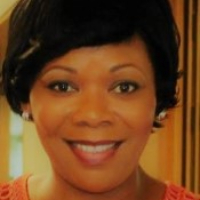
Dr. Deborah Harris-Sims
Compassionate, practical support for family and relationships
- Credentials
- LPC
- Experience
- 20 years
- Licensed in
- District of Columbia, South Carolina
- Languages
- English
- Format
- Online sessions
About Deborah
Dr. Deborah Harris-Sims uses a practical, client-centered approach to help people facing relationship and family challenges. She explains things plainly and focuses on concrete steps clients can use right away.
Her style is attentive and direct, aimed at helping people feel heard and move forward. Dr. Sims brings 20 years of counseling experience to each session in the District of Columbia.
She often blends Cognitive Behavioral Therapy with Trauma-Focused and Solution-Focused methods, tailoring sessions to what a person needs that day.
Background and approach
That can mean learning new ways to handle stress, changing unhelpful thinking patterns, or practicing specific skills for parenting or communication. Sessions are a mix of talking, problem-solving, and small experiments to try between meetings. Her background includes long-term clinical work across varied settings, which informs a steady, experienced presence in session.
She works with issues such as depression, anxiety, grief, addiction, intimacy concerns, and eating or sleeping difficulties. Additional focuses include abandonment, attachment, caregiver stress, and family of origin issues. Dr.
Sims holds an LPC credential and has worked for two decades helping people cope with life changes and trauma. She offers sessions in English and accepts international clients. Practical matters such as session format and cost are handled through a subscription model that can be canceled at any time.
To begin, a person selects Start Therapy, completes a short matching questionnaire, and schedules according to therapist availability. This process connects the individual to the right fit and the first steps of the work ahead.
How her approaches translate to online therapy
Client-Centered Therapy focuses on listening and building a respectful relationship. The therapist prioritizes the person’s goals and helps them find their own solutions, which works well for relationship and family concerns.Cognitive Behavioral Therapy (CBT) teaches practical skills to change unhelpful thoughts and behaviors. It is useful for anxiety, depression, stress, and habits around eating or sleeping, and can be done with concrete activities during or between online sessions.
Trauma-Focused Therapy targets the aftereffects of traumatic experiences and teaches ways to manage strong emotions. Online sessions can include pacing, grounding techniques, and step-by-step skills to reduce distress.
Finding the right approach is a collaborative process. The therapist will discuss goals, listen to preferences, and suggest methods that fit the person’s needs. Plans can be adjusted over time as progress and comfort change.
Online therapy offers flexible access through video calls, phone sessions, live chat, or text-based messaging. That flexibility helps people fit sessions into busy lives and keeps continuity during moves or travel. Licensed professionals can use these formats to provide consistent care and practical strategies without requiring in-person visits.
Client-Centered Therapy
The direction comes from you rather than from a set programme. The therapist offers a warm, non-judgemental space to think out loud and work at your own pace. Online, this rests on the relationship rather than on being in the same room.
Cognitive Behavioral Therapy (CBT)
CBT looks at the link between what you think, how you feel, and what you do. You work on noticing unhelpful patterns and practising steadier responses. It suits online sessions well, because much of the work happens between appointments and can be talked through from anywhere.
Psychodynamic Therapy
Exploring how earlier relationships and patterns still shape the present, often over a longer stretch of time. It relies on conversation and reflection rather than exercises.
Frequently asked questions
What kinds of problems does this therapist address?
What is her general therapy style?
What experience does she bring to sessions?
Where is she based and what are her credentials?
Which languages are supported for sessions?
What formats are available for meeting with her?
How are costs handled for therapy?
How do I get started with therapy?
Specialties and expertise
Top specialties
- Relationship issues
- Family conflicts
- Trauma and abuse
Also works with
- Abandonment
- Addictions
- Adoption and foster care
- Anger management
- Antisocial personality
- Attachment issues
- Avoidant personality
- Bipolar disorder
- Career difficulties
- Caregiver issues and stress
- Coaching
- Commitment issues
- Communication problems
- Control issues
- Coping with life changes
- Coping with natural or human-caused disaster
- Dependent personality
- Depression
- Dissociation
- Divorce and separation
- Eating disorders
- Emptiness
- Family of origin issues
- Family problems
- Fatherhood issues
- Fertility issues
- Forgiveness
- Grief
- Guilt and shame
- Impulsivity
- Infidelity
- Intimacy-related issues
- Isolation / loneliness
- Jealousy
- LGBT
- Life purpose
- Obsessions, compulsions, and OCD
- Panic disorder and panic attacks
- Parenting issues
- Personality disorders
- Post-traumatic stress
- Postpartum depression
- Self esteem
- Self-love
- Sexual assault and abuse
- Sexuality
- Sleeping disorders
- Social anxiety and phobia
- Stress, Anxiety
- Veteran and Armed Forces Issues
- Women's issues
- Workplace issues
- Young adult issues
Therapeutic approaches
- Experience
- 20 years
- Licensed
- District of Columbia, South Carolina
- Languages
- English
Next step
Talk to Deborah
- Takes a few minutes
- Nothing to set up just to look
- Stop at any point