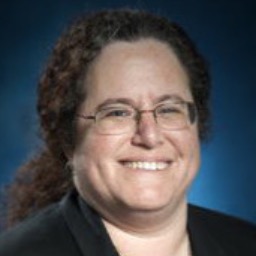
Daphne Hamburg
Practical, trauma-informed support for life changes
- Credentials
- LCSW, LMSW
- Experience
- 5 years
- Licensed in
- Michigan, Virginia, California
- Languages
- English
- Format
- Online sessions
About Daphne
Daphne Hamburg is a licensed clinical social worker who uses a practical, person-centered approach to therapy. She draws on five years of experience to help people facing stress, anxiety, addictions, trauma, mood concerns, and problems that touch family and parenting. Daphne keeps sessions direct and compassionate, focusing on what a person wants to change and how to get there.
She began her work supporting survivors of domestic abuse and sexual assault and later worked with people addressing substance use.
Background and approach
Those early roles shaped her trauma-informed way of working and her attention to safety and pacing. Daphne also brings experience with grief, relationship and intimacy issues, ADHD, and compassion fatigue. Her style blends several evidence-based methods.
She uses client-centered listening and attachment concepts to build trust. Cognitive Behavioral Therapy, Dialectical Behavior Therapy skills, and mindfulness help people manage symptoms and develop new habits. For trauma processing she may include EMDR when appropriate.
Daphne describes herself as sex-positive and kink-aware, and she addresses related concerns without judgment. She also works with topics like money stress, career changes, family of origin issues, and communication struggles. Sessions aim to develop concrete skills and practical plans that fit each person’s life.
Licensed as LCSW and LMSW, Daphne practices from Michigan and offers sessions in English. Her approach is collaborative: she listens first, then shapes a plan together with each client.
How Daphne’s Approaches Work Online
Attachment-Based Therapy focuses on patterns in relationships and how early bonds influence current behavior; online sessions use this lens to identify relationship triggers and build more supported ways of connecting. Client-Centered Therapy centers on listening and supporting each person’s own goals, giving space for clients to lead the conversation while the therapist reflects and clarifies. Cognitive Behavioral Therapy helps people notice and change unhelpful thoughts and behaviors with practical exercises and homework you can do between sessions.Choosing the right approach is part of the work. Daphne partners with each person to find what fits their needs and preferences. Together they review goals, try methods, and adjust the plan so techniques feel useful and realistic for daily life.
Online therapy offers flexibility through video calls, phone sessions, live chat, and text-based messaging. These options make it easier to fit sessions around parenting, work, and other commitments. They also let people practice new skills in the moments they need them, with follow-up between sessions when helpful.
Attachment-Based Therapy
Looks at how early bonds shaped what you expect from closeness, and how that plays out now with a partner, a parent, or your own children.
Client-Centered Therapy
The direction comes from you rather than from a set programme. The therapist offers a warm, non-judgemental space to think out loud and work at your own pace. Online, this rests on the relationship rather than on being in the same room.
Cognitive Behavioral Therapy (CBT)
CBT looks at the link between what you think, how you feel, and what you do. You work on noticing unhelpful patterns and practising steadier responses. It suits online sessions well, because much of the work happens between appointments and can be talked through from anywhere.
Frequently asked questions
What kinds of concerns does she address?
How would you describe her therapeutic style?
What is her professional background?
What credentials and location are listed?
Which languages and client locations are supported?
What session formats are available?
How is cost handled for sessions?
How do I begin therapy with her?
Specialties and expertise
Top specialties
Also works with
- ADHD
- Attachment issues
- BDSM, kink, and alternative sex culture
- Bipolar disorder
- Career difficulties
- Communication problems
- Compassion fatigue
- Control issues
- Coping with life changes
- Depression
- Domestic violence
- Drug and alcohol addiction
- Emptiness
- Family conflicts
- Family of origin issues
- Family problems
- Forgiveness
- Grief
- Guilt and shame
- Infidelity
- Intimacy-related issues
- Isolation / loneliness
- Money and financial issues
- Mood disorders
- Multicultural concerns
- Parenting issues
- Polyamory / non-monogamous relationships
- Post-traumatic stress
- Prejudice and discrimination
- Relationship issues
- Self esteem
- Sexual assault and abuse
- Sexuality
- Sleeping disorders
- Trauma and abuse
- Veteran and Armed Forces Issues
- Women's issues
Therapeutic approaches
- Experience
- 5 years
- Licensed
- Michigan, Virginia, California
- Languages
- English
Next step
Talk to Daphne
- Takes a few minutes
- Nothing to set up just to look
- Stop at any point