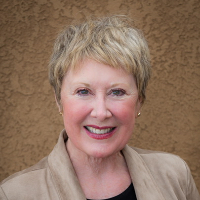
Dr. Christine Wilcox
Practical therapy for stress and life transitions
- Credentials
- LCSW, LISW
- Experience
- 27 years
- Licensed in
- Colorado, Indiana, Ohio
- Languages
- English
- Format
- Online sessions
About Christine
Dr. Christine Wilcox uses evidence-informed talk therapies to help people manage stress, mood struggles, and life transitions. She is a licensed clinical social worker with 27 years of practice and works from Colorado.
Her approach aims to teach concrete skills for coping, building boundaries, and improving daily routines. She draws on cognitive behavioral techniques to identify and change unhelpful thinking and behavior patterns. She also uses dialectical behavior therapy skills for emotional regulation and acceptance and commitment ideas to clarify values and take meaningful action.
Background and approach
Sessions focus on clear steps clients can practice between meetings. Her experience spans many care settings, which contributes to a practical, solution-oriented style. She explains tools plainly and models ways to use them at home.
The goal is steady improvement in sleep, mood, coping, and self-management. Dr. Wilcox holds the Licensed Clinical Social Worker credential and an independent social work license.
The first session typically reviews goals and current challenges, then maps a plan that fits each person’s life and schedule. Work may include behavioral strategies for anxiety or depression, skills for handling grief or trauma reactions, and guidance around substance concerns and addiction-related patterns. The emphasis stays on usable changes rather than abstract theory.
Online approaches that focus on skills and values
Acceptance and Commitment Therapy (ACT) helps people notice unhelpful thoughts without getting stuck in them, then choose actions that match their values; it can be useful for anxiety, depression, and life transitions. Attachment-Based Therapy focuses on patterns in relationships and helps individuals understand how early bonds shape present reactions, which can be helpful for intimacy, trust, and communication struggles. Cognitive Behavioral Therapy (CBT) teaches concrete steps to change thinking and behavior, often helping with mood, sleep, eating, and anxiety symptoms.Finding the right approach is part of the work. The therapist collaborates with each person to identify goals, tries methods that fit preferences, and adjusts the plan as needed. This means techniques may shift over time based on what helps most.
Online sessions are offered by video, phone, live chat, or text-based messaging to make care more flexible. These options let people fit sessions around work, caregiving, or travel and provide multiple ways to practice skills between meetings. The mix of real-time conversations and message-based check-ins helps maintain momentum and keep practical progress moving forward.
Acceptance and Commitment Therapy (ACT)
Less about arguing with difficult thoughts, more about loosening their grip and acting on what matters to you anyway. Values and committed action carry the work, which suits conversation at a distance.
Attachment-Based Therapy
Looks at how early bonds shaped what you expect from closeness, and how that plays out now with a partner, a parent, or your own children.
Client-Centered Therapy
The direction comes from you rather than from a set programme. The therapist offers a warm, non-judgemental space to think out loud and work at your own pace. Online, this rests on the relationship rather than on being in the same room.
Frequently asked questions
What kinds of problems does she address?
What is her therapy style like?
How long has she practiced?
What credentials and location should I know?
In which language are sessions offered?
Can I meet with her online or by phone?
What does therapy cost?
How do I begin working with this therapist?
Specialties and expertise
Top specialties
- Stress, Anxiety
- Relationship issues
- Trauma and abuse
Also works with
- Abandonment
- Addictions
- ADHD
- Aging and geriatric issues
- Anger management
- Attachment issues
- Bipolar disorder
- Blended family issues
- Body image
- Career difficulties
- Caregiver issues and stress
- Coaching
- Codependency
- Commitment issues
- Communication problems
- Compassion fatigue
- Control issues
- Coping with life changes
- Coping with natural or human-caused disaster
- Dependent personality
- Depression
- Disruptive Mood Dysregulation Disorder (DMDD)
- Divorce and separation
- Eating and food-related issues
- Eating disorders
- Emptiness
- Family conflicts
- Family of origin issues
- Family problems
- Forgiveness
- Grief
- Guilt and shame
- Hospice and end-of-life counseling
- Impulsivity
- Infidelity
- Intimacy-related issues
- Isolation / loneliness
- Jealousy
- LGBT
- Life purpose
- Midlife crisis
- Money and financial issues
- Mood disorders
- Obsessions, compulsions, and OCD
- Panic disorder and panic attacks
- Parenting issues
- Post-traumatic stress
- Seasonal Affective Disorder (SAD)
- Self esteem
- Self-love
- Sexual assault and abuse
- Sleeping disorders
- Social anxiety and phobia
- Somatization
- Women's issues
- Workplace issues
- Young adult issues
Therapeutic approaches
- Acceptance and Commitment Therapy (ACT)
- Attachment-Based Therapy
- Client-Centered Therapy
- Cognitive Behavioral Therapy (CBT)
- Dialectical Behavior Therapy (DBT)
- Emotionally-Focused Therapy (EFT)
- Existential Therapy
- Jungian Therapy
- Mindfulness Therapy
- Narrative Therapy
- Solution-Focused Therapy
- Trauma-Focused Therapy
- Internal Family Systems
- Experience
- 27 years
- Licensed
- Colorado, Indiana, Ohio
- Languages
- English
Next step
Talk to Christine
- Takes a few minutes
- Nothing to set up just to look
- Stop at any point