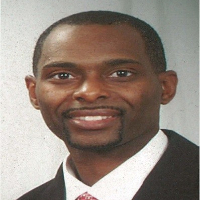
Dr. Charles Graham
Experienced, practical mental health support
- Credentials
- LMSW
- Experience
- 20 years
- Licensed in
- Michigan
- Languages
- English
- Format
- Online sessions
About Charles
Dr. Charles Graham offers steady, practical support for people facing stress, anxiety, addiction, grief, and changes in life. He writes in clear, calm terms and helps clients work toward specific goals.
Dr. Graham is a Licensed Master Social Worker - LMSW who brings twenty years of clinical experience to brief and ongoing care. He keeps sessions straightforward and collaborative.
Conversations focus on what is most urgent for the client and on skills that can be used between meetings.
Background and approach
Dr. Graham draws from several approaches to match the work to each person's needs rather than using one fixed method. His background includes long experience in clinical settings across the public and personal sectors.
That range has shaped a flexible style that stays respectful and nonjudgmental while aiming for measurable progress. He uses plain language so people can try strategies without confusion. In practice he often uses techniques that help manage difficult thoughts, change unhelpful patterns, and increase emotional regulation.
He also supports people dealing with substance use, trauma, mood shifts, and issues around identity and relationships. Sessions are geared toward real-world steps and clearer day-to-day functioning. Dr.
Graham works in Michigan and communicates in English. He accepts international clients and offers video calls, phone sessions, live chat, and text messaging to make ongoing work more convenient.
Therapeutic approaches and online options that fit your life
Acceptance and Commitment Therapy, often called ACT, helps people notice painful thoughts without getting stuck in them and then commit to actions that match their values. It is useful for worry, depression, and adjusting to big life changes.Cognitive Behavioral Therapy, or CBT, identifies unhelpful thinking and teaches concrete skills to change behaviors and moods. It is commonly used for anxiety, panic, obsessive patterns, and low mood.
Finding the right approach is a collaborative process. The therapist will talk with each person about goals and preferences and then suggest methods that fit those needs. Adjustments are made as therapy progresses so the work stays practical and relevant.
Online therapy offers flexibility for people juggling work, family, or travel. Sessions can take place by video call for a face-to-face experience, by phone for convenience, or through live chat and text messaging for brief check-ins and ongoing support. These options make it easier to maintain continuity and practice new skills between meetings.
Acceptance and Commitment Therapy (ACT)
Less about arguing with difficult thoughts, more about loosening their grip and acting on what matters to you anyway. Values and committed action carry the work, which suits conversation at a distance.
Client-Centered Therapy
The direction comes from you rather than from a set programme. The therapist offers a warm, non-judgemental space to think out loud and work at your own pace. Online, this rests on the relationship rather than on being in the same room.
Cognitive Behavioral Therapy (CBT)
CBT looks at the link between what you think, how you feel, and what you do. You work on noticing unhelpful patterns and practising steadier responses. It suits online sessions well, because much of the work happens between appointments and can be talked through from anywhere.
Frequently asked questions
What kinds of concerns does he address?
What is his general approach in therapy?
How much clinical experience does he have?
What credentials and region are listed?
In which languages can sessions be held?
Can people outside the United States work with him?
What session formats are available?
How are costs and getting started handled?
Specialties and expertise
Top specialties
Also works with
- ADHD
- Anger management
- Attachment issues
- Bipolar disorder
- Coping with life changes
- Depression
- Disruptive Mood Dysregulation Disorder (DMDD)
- Drug and alcohol addiction
- Eating disorders
- Family conflicts
- Family problems
- Fatherhood issues
- Forgiveness
- Grief
- Guilt and shame
- Intimacy-related issues
- Isolation / loneliness
- Life purpose
- Men's issues
- Multicultural concerns
- Obsessions, compulsions, and OCD
- Panic disorder and panic attacks
- Parenting issues
- Post-traumatic stress
- Prejudice and discrimination
- Process addiction (porn, exercise, gambling)
- Relationship issues
- Self esteem
- Self-love
- Sex addiction
- Sexual assault and abuse
- Sexual dysfunction
- Sexuality
- Sleeping disorders
- Smoking / vaping cessation
- Social anxiety and phobia
- Young adult issues
Therapeutic approaches
- Experience
- 20 years
- Licensed
- Michigan
- Languages
- English
Next step
Talk to Charles
- Takes a few minutes
- Nothing to set up just to look
- Stop at any point