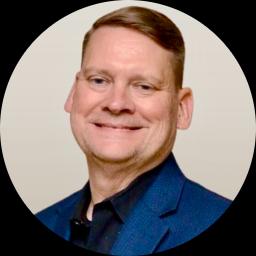
Brian Sharp
Calm, practical help for everyday challenges
- Credentials
- LPCC, LPC
- Experience
- 5 years
- Licensed in
- Texas, Missouri, California
- Languages
- English
- Format
- Online sessions
About Brian
Brian Sharp is a licensed counselor who brings five years of clinical experience to his work in Texas. He holds LPCC and LPC credentials and focuses on practical help for people dealing with stress, anxiety, depression, and addictions. Brian emphasizes clear, calm conversations where clients can name what feels hard and try small, manageable steps forward.
Parents and caregivers reading this will find direct language and straightforward options in sessions.
Background and approach
Brian builds sessions around what the client needs right now. He uses everyday tools from cognitive behavioral therapy to spot unhelpful thinking. He draws on acceptance and commitment methods to help people notice what matters and act toward those values.
Mindfulness practices are introduced in simple ways to ease tension and ground attention. Sessions often focus on real-life problems such as communication breakdowns, career pressure, or coping with life changes. He has experience addressing relationship and family concerns, issues of self-esteem, and problems tied to substance use and impulsivity.
When anger, guilt, or feelings of emptiness come up, Brian works with clients on concrete skills to reduce emotional overwhelm. His approach is collaborative and practical. He asks questions, listens closely, and suggests exercises that people can try between meetings.
Progress is measured by changes that matter to the client rather than technical labels. Brian offers multiple session formats to fit different schedules. He provides video and phone sessions, live chat, and text-based messaging options.
All sessions are conducted in English and follow professional licensing standards in Texas.
Therapeutic approaches and online options for everyday life
Acceptance and Commitment Therapy, or ACT, helps people notice what truly matters and take small actions toward those values even when feelings are difficult. It is useful for stress, anxiety, and getting unstuck. Cognitive Behavioral Therapy, or CBT, focuses on spotting unhelpful thought patterns and trying different behaviors to change how someone feels. It is practical for depression, anxiety, and coping with life pressures. Mindfulness Therapy teaches simple attention skills to reduce reactivity and bring steadiness to daily moments; it supports emotional regulation and stress reduction.Finding the right approach is part of the work. The therapist will collaborate with each client to pick methods that match their goals and preferences. This means trying tools, checking what helps, and adjusting the plan over time so the focus stays on real changes that matter to the client.
Online therapy formats include video calls, phone sessions, live chat, and text-based messaging to fit different routines. These options make it easier to have regular meetings without long commutes and allow continued support during busy periods. Licensed professionals can use these formats to coach, teach skills, and offer accountability in ways that adapt to each person’s life.
Acceptance and Commitment Therapy (ACT)
Less about arguing with difficult thoughts, more about loosening their grip and acting on what matters to you anyway. Values and committed action carry the work, which suits conversation at a distance.
Client-Centered Therapy
The direction comes from you rather than from a set programme. The therapist offers a warm, non-judgemental space to think out loud and work at your own pace. Online, this rests on the relationship rather than on being in the same room.
Cognitive Behavioral Therapy (CBT)
CBT looks at the link between what you think, how you feel, and what you do. You work on noticing unhelpful patterns and practising steadier responses. It suits online sessions well, because much of the work happens between appointments and can be talked through from anywhere.
Frequently asked questions
What concerns does Brian commonly address?
What is his therapeutic style like?
How many years of clinical experience does he have?
Which licenses does he hold and where is he located?
Which languages are supported for sessions?
Can international clients work with him?
What session formats are available?
How are costs and the subscription handled?
Specialties and expertise
Top specialties
Also works with
- Abandonment
- Aging and geriatric issues
- Anger management
- Antisocial personality
- Attachment issues
- Career difficulties
- Caregiver issues and stress
- Coaching
- Commitment issues
- Communication problems
- Control issues
- Coping with life changes
- Depression
- Divorce and separation
- Drug and alcohol addiction
- Emptiness
- Family conflicts
- Family problems
- Forgiveness
- Guilt and shame
- Impulsivity
- Infidelity
- Isolation / loneliness
- Jealousy
- LGBT
- Life purpose
- Men's issues
- Midlife crisis
- Money and financial issues
- Mood disorders
- Multicultural concerns
- Obsessions, compulsions, and OCD
- Panic disorder and panic attacks
- Phobias
- Prejudice and discrimination
- Process addiction (porn, exercise, gambling)
- Relationship issues
- Self-harm
- Self-love
- Sex addiction
- Sexuality
- Social anxiety and phobia
- Workplace issues
- Young adult issues
Therapeutic approaches
- Experience
- 5 years
- Licensed
- Texas, Missouri, California, New Jersey
- Languages
- English
Next step
Talk to Brian
- Takes a few minutes
- Nothing to set up just to look
- Stop at any point