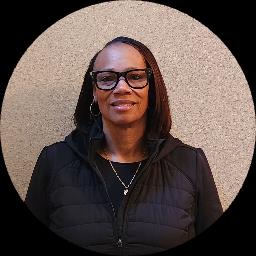
Betty Hull-Williams
Compassionate practical support for family and relationships
- Credentials
- LPC
- Experience
- 18 years
- Licensed in
- Oklahoma
- Languages
- English
- Format
- Online sessions
About Betty
Betty Hull-Williams is an LPC with 18 years of experience who focuses on family and parenting concerns alongside related relationship and emotional issues. She offers straightforward support for stress, anxiety, depression, grief, trauma and abuse, addictions, and intimacy-related concerns. Betty speaks English and practices in Oklahoma, and she aims to help people find clearer coping steps and better communication patterns.
Her approach in sessions is practical and collaborative. She listens without judgement and works with clients to set realistic goals.
Background and approach
Sessions often include hands-on tools rather than long lectures. The goal is to turn problems into manageable challenges that feel less overwhelming. Betty trained at Oklahoma State University where she earned a Master of Science in Community Counseling, and she holds a Bachelor of Arts in Psychology from Langston University plus a Bachelor of Science in Criminal Justice from Kennesaw State University.
She has worked in a range of settings, including correctional facilities, drug court programs, methadone clinics, and community programs. In her independent practice she uses a mix of methods tailored to each person. Techniques include cognitive behavioral approaches, trauma-focused interventions, EMDR, dialectical behavior concepts, and emotionally-focused work to help with relationships.
She also draws on motivational and solution-focused ideas when clients need clear next steps. Sessions often center on improving communication, handling life changes, and addressing patterns like codependency, control issues, or substance-related concerns. Betty emphasizes active listening, encouragement, and practical skills so people can build a life they find worth living.
Online approaches that fit family and relationship needs
Betty commonly uses cognitive behavioral techniques and EMDR in online work. Cognitive Behavioral Therapy, or CBT, focuses on identifying unhelpful thoughts and trying small behavior changes to reduce distress. It is useful for anxiety, depression, and stress that affect daily family life. Eye Movement Desensitization and Reprocessing, known as EMDR, helps people process past traumatic memories that keep disrupting relationships or parenting. It involves guided attention techniques to reduce the emotional charge of those memories.She also incorporates Emotionally-Focused Therapy elements when relationship patterns are central. EFT-sourced work focuses on understanding feelings and improving emotional connection between partners or within family dynamics. Choosing the right approach is a team effort - the therapist will discuss your goals, try options, and adjust methods as you go so the work fits your needs and preferences.
Online formats include video calls, phone sessions, live chat, and text-based messaging, which let people fit therapy into busy family schedules. Video is useful for face-to-face conversation and EMDR-guided work, while phone or messaging can help maintain continuity between sessions. These options aim to make regular support more flexible and easier to keep up with over time.
Client-Centered Therapy
The direction comes from you rather than from a set programme. The therapist offers a warm, non-judgemental space to think out loud and work at your own pace. Online, this rests on the relationship rather than on being in the same room.
Cognitive Behavioral Therapy (CBT)
CBT looks at the link between what you think, how you feel, and what you do. You work on noticing unhelpful patterns and practising steadier responses. It suits online sessions well, because much of the work happens between appointments and can be talked through from anywhere.
Dialectical Behavior Therapy (DBT)
Concrete skills for riding out strong emotion, tolerating distress, and handling relationships without things escalating. The skills are practised in daily life, so between-session support by message or phone fits naturally.
Frequently asked questions
What concerns does she address?
How would you describe her therapy style?
What training and background does she have?
Where is she licensed and based?
Which languages are supported for sessions?
What session formats are available?
How are sessions priced?
How do I begin working with her?
Specialties and expertise
Top specialties
- Stress, Anxiety
- Addictions
- Relationship issues
Also works with
- Abandonment
- BDSM, kink, and alternative sex culture
- Bipolar disorder
- Codependency
- Communication problems
- Control issues
- Coping with life changes
- Depression
- Domestic violence
- Drug and alcohol addiction
- Family conflicts
- Family problems
- Forgiveness
- Gender dysphoria
- Grief
- Guilt and shame
- Infidelity
- Intimacy-related issues
- Isolation / loneliness
- Jealousy
- LGBT
- Life purpose
- Men's issues
- Mood disorders
- Multicultural concerns
- Personality disorders
- Polyamory / non-monogamous relationships
- Post-traumatic stress
- Postpartum depression
- Process addiction (porn, exercise, gambling)
- Self esteem
- Self-harm
- Self-love
- Sexual assault and abuse
- Social anxiety and phobia
- Trauma and abuse
- Veteran and Armed Forces Issues
- Women's issues
Therapeutic approaches
- Experience
- 18 years
- Licensed
- Oklahoma
- Languages
- English
Next step
Talk to Betty
- Takes a few minutes
- Nothing to set up just to look
- Stop at any point