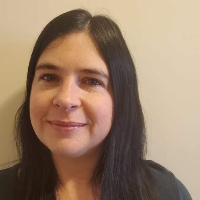
April Faust
Calm, skills-focused therapy for everyday challenges
- Credentials
- LCSW
- Experience
- 12 years
- Licensed in
- Pennsylvania
- Languages
- English
- Format
- Online sessions
About April
April Faust is a licensed clinical social worker who uses practical, skills-based therapy to help people manage stress, anxiety, mood challenges, and addictive patterns. She holds a Pennsylvania LCSW and brings over a decade of hands-on experience. April keeps sessions straightforward and focused on what will help day-to-day life feel more manageable.
Her training in Dialectical Behavior Therapy, completed in 2013, shapes much of her work. That background supports skill-building around emotion regulation, distress tolerance, and communication.
Background and approach
She also draws on cognitive behavioral techniques to identify and change unhelpful thinking and behaviors. Sessions often mix short-term problem solving with longer-term skill practice. April tends to use structured exercises, mindful awareness practices, and motivational interviewing to clarify goals and build momentum.
The aim is concrete change - better sleep, improved coping, or fewer cravings - rather than abstract theory. She has experience across many concerns including trauma, grief, bipolar and depressive symptoms, relationship and family stress, and struggles with self-esteem and career transitions.
Additional focus includes areas such as blended family issues, chronic illness, caregiver stress, and concerns related to kink and alternative sex culture. People meet her approach as calm and practical. She emphasizes dignity and acceptance while also helping people make real changes.
Taking the first step can feel hard, and April frames the work as a collaborative process to help clients reach their goals.
How DBT, CBT, and Mindfulness translate to online sessions
April commonly uses Dialectical Behavior Therapy to teach skills for managing intense emotions and improving coping. DBT emphasizes emotion regulation, distress tolerance, and interpersonal effectiveness, and those skills can be practiced in short exercises during sessions and between meetings.She also draws on Cognitive Behavioral Therapy to help clients notice unhelpful thoughts and try different responses. CBT sessions often include simple worksheets or short behavioral experiments that translate well to video or text formats. Mindfulness Therapy is used alongside these methods to build present-moment awareness and reduce reactivity through brief breathing and attention practices.
Choosing the right approach is part of the work together. The therapist will discuss goals, preferences, and what feels doable, then try methods that match the client’s needs. Adjustments are made over time based on what helps most.
Online therapy offers flexible ways to connect - video, phone, live chat, or text-based messaging. That flexibility makes it easier to fit skills practice into busy days, revisit notes between sessions, and use short check-ins when a full session isn’t possible. Licensed professionals can use these formats to deliver the same practical tools and skill-building focus found in in-person work.
Cognitive Behavioral Therapy (CBT)
CBT looks at the link between what you think, how you feel, and what you do. You work on noticing unhelpful patterns and practising steadier responses. It suits online sessions well, because much of the work happens between appointments and can be talked through from anywhere.
Dialectical Behavior Therapy (DBT)
Concrete skills for riding out strong emotion, tolerating distress, and handling relationships without things escalating. The skills are practised in daily life, so between-session support by message or phone fits naturally.
Mindfulness Therapy
Attention training: noticing thoughts and physical feelings as they arrive without being carried off by them. Much of it is practice you do yourself, so guidance over video or audio works much as it would in person.
Frequently asked questions
What kinds of concerns can April help with?
How would you describe her therapeutic style?
What is her clinical experience?
Where is she licensed and practicing?
Which languages are supported for sessions?
What session formats are available?
How are costs handled for sessions?
How do I begin working with her?
Specialties and expertise
Top specialties
Also works with
- Anger management
- BDSM, kink, and alternative sex culture
- Bipolar disorder
- Blended family issues
- Cancer
- Career difficulties
- Caregiver issues and stress
- Chronic pain, illness, and disability
- Codependency
- Communication problems
- Control issues
- Coping with life changes
- Depression
- Dissociation
- Divorce and separation
- Drug and alcohol addiction
- Eating disorders
- Emptiness
- Family conflicts
- Family of origin issues
- Family problems
- First responder issues
- Forgiveness
- Grief
- Guilt and shame
- Impulsivity
- Life purpose
- Midlife crisis
- Mood disorders
- Obsessions, compulsions, and OCD
- Panic disorder and panic attacks
- Paranoia
- Personality disorders
- Phobias
- Polyamory / non-monogamous relationships
- Post-traumatic stress
- Postpartum depression
- Relationship issues
- Seasonal Affective Disorder (SAD)
- Self esteem
- Self-harm
- Self-love
- Sexual assault and abuse
- Sexuality
- Sleeping disorders
- Social anxiety and phobia
- Trauma and abuse
- Trichotillomania
- Veteran and Armed Forces Issues
- Women's issues
- Workplace issues
- Young adult issues
Therapeutic approaches
- Experience
- 12 years
- Licensed
- Pennsylvania
- Languages
- English
Next step
Talk to April
- Takes a few minutes to look through
- Nothing to set up just to read
- Stop at any point