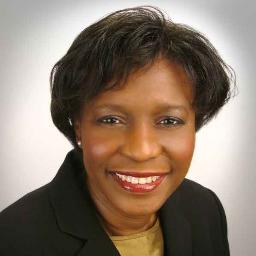
Annie McFadden
Compassionate counselor for life transitions
- Credentials
- LPC
- Experience
- 18 years
- Licensed in
- Georgia
- Languages
- English
- Format
- Online sessions
About Annie
Annie McFadden is a Licensed Professional Counselor (LPC) based in Georgia. She focuses on support for stress, anxiety, relationship challenges, parenting concerns, trauma and abuse, grief, and related struggles. Annie speaks English and brings 18 years of experience in mental health to her work.
She greets people with straightforward care and aims to help them find clearer ways forward. Her approach draws on several evidence-based methods. She often uses Cognitive Behavioral Therapy (CBT) to identify unhelpful thoughts and try new behaviors.
Background and approach
Acceptance and Commitment Therapy (ACT) shows up in sessions when people need help tolerating difficult feelings while moving toward meaningful values. Emotionally-Focused Therapy (EFT) and mindfulness practices are used to slow things down and build emotional awareness. Annie has spent many years in community mental health settings, including roles that involved assessment and treatment across a range of mental and behavioral concerns.
That background shaped how she blends practical skills with listening and validation. She describes therapy as a partnership where honesty and respect matter. In session, clients can expect a practical, down-to-earth style.
Annie tends to adapt methods to match what each person needs rather than sticking to one toolbox. She also integrates motivational interviewing techniques when people want clearer direction and support making changes. Her practice acknowledges faith as part of some people’s healing, and she weaves clients’ values into therapy when appropriate.
To begin, people complete a short matching questionnaire and schedule according to availability.
How her approaches translate to online care
Acceptance and Commitment Therapy (ACT) helps people notice difficult thoughts and feelings while choosing actions that match their values. Online sessions can use ACT exercises to clarify what matters and set small, doable goals. Cognitive Behavioral Therapy (CBT) focuses on identifying unhelpful thinking patterns and testing new behaviors. In remote sessions, that work often includes brief skill practice, thought records, and real-world homework between meetings. Emotionally-Focused Therapy (EFT) centers on increasing emotional awareness and strengthening how people express feelings; through video or phone work, it supports clearer emotional communication and learning new responses.Choosing the right approach is part of the process. Annie works collaboratively to figure out which methods suit each person’s goals and situation. She adapts tools over time so sessions remain relevant and practical for daily life.
Online therapy offers flexibility for people juggling busy schedules or limited travel options. Video calls allow face-to-face interaction, phone sessions provide a simpler connection, and live chat or text messaging can support shorter check-ins or ongoing encouragement. These formats make it possible to continue skill-building and emotional work from home while keeping focus on real-world changes.
Acceptance and Commitment Therapy (ACT)
Less about arguing with difficult thoughts, more about loosening their grip and acting on what matters to you anyway. Values and committed action carry the work, which suits conversation at a distance.
Client-Centered Therapy
The direction comes from you rather than from a set programme. The therapist offers a warm, non-judgemental space to think out loud and work at your own pace. Online, this rests on the relationship rather than on being in the same room.
Cognitive Behavioral Therapy (CBT)
CBT looks at the link between what you think, how you feel, and what you do. You work on noticing unhelpful patterns and practising steadier responses. It suits online sessions well, because much of the work happens between appointments and can be talked through from anywhere.
Frequently asked questions
What concerns does she address?
What is her therapy style like?
How long has she been practicing?
Where is she licensed and located?
Which languages are supported?
What session formats are available?
How are fees handled?
How do I start working with her?
Specialties and expertise
Top specialties
- Stress, Anxiety
- Relationship issues
- Family conflicts
Also works with
- Abandonment
- Addictions
- ADHD
- Anger management
- Attachment issues
- Bipolar disorder
- Blended family issues
- Career difficulties
- Caregiver issues and stress
- Coaching
- Commitment issues
- Communication problems
- Compassion fatigue
- Control issues
- Coping with life changes
- Coping with natural or human-caused disaster
- Depression
- Disruptive Mood Dysregulation Disorder (DMDD)
- Divorce and separation
- Emptiness
- Family of origin issues
- Family problems
- Forgiveness
- Grief
- Guilt and shame
- Impulsivity
- Intimacy-related issues
- Isolation / loneliness
- Jealousy
- Life purpose
- Mood disorders
- Parenting issues
- Post-traumatic stress
- Seasonal Affective Disorder (SAD)
- Self esteem
- Self-harm
- Self-love
- Social anxiety and phobia
- Trauma and abuse
- Women's issues
- Workplace issues
- Young adult issues
Therapeutic approaches
- Experience
- 18 years
- Licensed
- Georgia
- Languages
- English
Next step
Talk to Annie
- Takes a few minutes
- Nothing to set up just to look
- Stop at any point