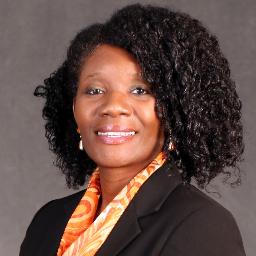
Dr. Valerie McGaha
Helping parents and families find steady progress
- Credentials
- LPC
- Experience
- 21 years
- Licensed in
- Oklahoma
- Languages
- English
- Format
- Online sessions
About Valerie
Dr. Valerie McGaha is a licensed professional counselor with 21 years of experience helping people manage stress, anxiety, depression, and addiction. She practices in Oklahoma and focuses on family and parenting concerns as part of her broader work.
Her approach is practical and down-to-earth, aimed at helping people find more joy and better functioning in daily life. She listens for what is stuck and helps clients notice small changes that make a difference.
Background and approach
Sessions focus on increasing awareness, building self-compassion, and improving decision making. For people facing addiction, she supports long-term sobriety and emotional sobriety through a mix of therapy tools and steady guidance. Trauma, loss, and relationship problems often underlie the struggles she addresses.
Dr. McGaha pulls from several established methods to reduce symptoms and improve communication. She notes a background in suicide prevention, intervention, and postvention and helps people work toward safety and stability when risk is present.
Her style is collaborative and respectful of each person’s identity and life circumstances. She aims to create a space where clients can be honest, find strengths, and make practical changes. Work may include addressing attachment issues, family of origin problems, blended family adjustments, or patterns of shame and guilt.
Sessions use evidence-informed techniques drawn from Cognitive Behavioral Therapy, Acceptance and Commitment Therapy, Dialectical Behavior Therapy, Attachment-Based work, and Client-Centered methods. Dr. McGaha emphasizes doable skills and steady progress so clients can move from feeling stuck to making meaningful changes.
How therapeutic approaches translate to online care
Acceptance and Commitment Therapy (ACT) helps people notice painful thoughts without getting ruled by them and focus on what matters. It is useful for anxiety, stress, and values-driven changes. Cognitive Behavioral Therapy (CBT) breaks problems into thoughts, feelings, and actions and teaches specific skills to reduce symptoms and change unhelpful patterns. It is often used for anxiety and depression. Dialectical Behavior Therapy (DBT) offers practical skills for managing strong emotions, improving distress tolerance, and handling relationship conflicts.Finding the right approach is part of the work. The therapist will collaborate with each person to choose which methods fit their goals, needs, and preferences. That may mean combining elements from different approaches and adjusting over time as progress is made.
Online sessions can be held via video calls, phone sessions, live chat, or text-based messaging to match different schedules and comfort levels. These options make it easier to keep regular sessions, access care from home, and use brief check-ins between meetings when helpful. Licensed professionals can teach the same practical skills and exercises online, and the flexible formats support steady progress while fitting into busy family life.
Acceptance and Commitment Therapy (ACT)
Less about arguing with difficult thoughts, more about loosening their grip and acting on what matters to you anyway. Values and committed action carry the work, which suits conversation at a distance.
Attachment-Based Therapy
Looks at how early bonds shaped what you expect from closeness, and how that plays out now with a partner, a parent, or your own children.
Client-Centered Therapy
The direction comes from you rather than from a set programme. The therapist offers a warm, non-judgemental space to think out loud and work at your own pace. Online, this rests on the relationship rather than on being in the same room.
Frequently asked questions
What kinds of concerns does Dr. McGaha address?
How would you describe her therapy style?
How many years has she practiced?
What are her credentials and where is she based?
Does she offer therapy in other languages or internationally?
Which session formats are available?
How does billing and cost work?
What steps are required to begin working together?
Specialties and expertise
Top specialties
- Stress, Anxiety
- Addictions
- Relationship issues
Also works with
- Abandonment
- Antisocial personality
- Attachment issues
- Avoidant personality
- Blended family issues
- Cancer
- Communication problems
- Depression
- Domestic violence
- Drug and alcohol addiction
- Family conflicts
- Family of origin issues
- Family problems
- Forgiveness
- Guilt and shame
- HIV / AIDS
- Hoarding
- Hospice and end-of-life counseling
- Immigration issues
- Infidelity
- Jealousy
- Men's issues
- Mood disorders
- Multicultural concerns
- Paranoia
- Personality disorders
- Postpartum depression
- Prejudice and discrimination
- Process addiction (porn, exercise, gambling)
- Seasonal Affective Disorder (SAD)
- Self-harm
- Sex addiction
- Sexual assault and abuse
- Sexual dysfunction
- Veteran and Armed Forces Issues
- Women's issues
Therapeutic approaches
- Acceptance and Commitment Therapy (ACT)
- Attachment-Based Therapy
- Client-Centered Therapy
- Cognitive Behavioral Therapy (CBT)
- Dialectical Behavior Therapy (DBT)
- Emotionally-Focused Therapy (EFT)
- Existential Therapy
- Eye Movement Desensitization and Reprocessing (EMDR)
- Gottman Method
- Mindfulness Therapy
- Motivational Interviewing
- Narrative Therapy
- Psychodynamic Therapy
- Solution-Focused Therapy
- Somatic Therapy
- Trauma-Focused Therapy
- Experience
- 21 years
- Licensed
- Oklahoma
- Languages
- English
Next step
Talk to Valerie
- Takes a few minutes
- Nothing to set up just to look
- Stop at any point