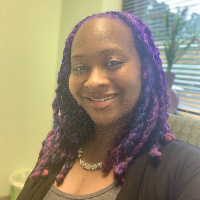
TyLisa Mitchell
Calm guidance for everyday parenting stress
- Credentials
- LCMHC
- Experience
- 10 years
- Licensed in
- North Carolina
- Languages
- English
- Format
- Online sessions
About TyLisa
TyLisa Mitchell is a licensed clinical mental health counselor who offers straightforward help for people feeling overwhelmed by daily life. She speaks plainly and meets clients where they are. Her focus includes stress, anxiety, anger, depression, self-esteem struggles, compassion fatigue, and family-related concerns.
TyLisa brings ten years of experience to each session and practices in North Carolina. She draws on Cognitive Behavioral Therapy to help people notice and change unhelpful thinking patterns.
Background and approach
Emotionally-Focused Therapy ideas are used when emotions and connection come into focus. Solution-Focused methods help set small, practical goals that can change day-to-day functioning. TyLisa emphasizes a multicultural perspective and says cultural background matters in therapy.
She has worked in diverse settings and pays attention to how prejudice, discrimination, and women's issues affect mental health. She also supports people dealing with postpartum depression, grief, guilt, shame, and questions of life purpose. Sessions are conversational and goal-oriented.
TyLisa often helps people build clear steps, practice new skills between meetings, and track progress. She describes her style as flexible and willing to adapt to each person's needs. Her credential is LCMHC, which stands for Licensed Clinical Mental Health Counselor.
TyLisa offers phone, video, live chat, and text-based messaging formats and conducts work in English for people based in North Carolina.
How TyLisa Uses Practical Therapies Online
TyLisa commonly uses Cognitive Behavioral Therapy and Emotionally-Focused Therapy online. Cognitive Behavioral Therapy focuses on identifying unhelpful thoughts and trying small changes in thinking and behavior to reduce symptoms of anxiety and depression. Emotionally-Focused Therapy helps understand strong emotions and how they shape relationships and reactions, which can be useful when family dynamics or strong feelings are central concerns.She approaches choosing methods as a collaborative process. The therapist and client discuss goals, preferences, and what feels most useful, then pick approaches to try together. Sessions often mix techniques so the plan can shift as needs change.
Online work is offered through video calls, phone sessions, live chat, and text-based messaging to make therapy fit into busy schedules. These options make it easier to connect from home, follow up between sessions, and use shorter check-ins when needed. The aim is to provide practical access and flexibility while focusing on the goals identified in sessions.
Cognitive Behavioral Therapy (CBT)
CBT looks at the link between what you think, how you feel, and what you do. You work on noticing unhelpful patterns and practising steadier responses. It suits online sessions well, because much of the work happens between appointments and can be talked through from anywhere.
Emotionally-Focused Therapy (EFT)
Attends to the emotions underneath a recurring argument or distance, and to the attachment needs driving them. Often used where a relationship keeps returning to the same painful loop.
Solution-Focused Therapy
Rather than examining the problem at length, this looks at what is already working and builds on it. Sessions tend to be practical and forward-looking, with small achievable steps, which translates readily to shorter online conversations.
Frequently asked questions
What kinds of concerns does she address?
How would you describe her therapeutic style?
What is her training and experience?
What credentials and location apply?
Can people who speak other languages work with her?
What session formats are available?
How does payment or cost work?
How do I begin working with her?
Specialties and expertise
Top specialties
- Stress, Anxiety
- Family conflicts
- Anger management
Also works with
Therapeutic approaches
- Experience
- 10 years
- Licensed
- North Carolina
- Languages
- English
Next step
Talk to TyLisa
- Takes a few minutes
- Nothing to set up just to look
- Stop at any point