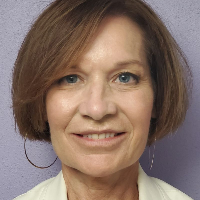
Dr. Toni Morgan-Jones
Compassionate, practical therapy for family challenges
- Credentials
- WI Psychologist 2785-057
- Experience
- 23 years
- Licensed in
- Wisconsin
- Languages
- English
- Format
- Online sessions
About Toni
Dr. Toni Morgan-Jones is a licensed psychologist in Wisconsin with 23 years of clinical experience. She uses a practical, person-centered approach to help adults manage stress, anxiety, mood changes, grief, and relationship concerns.
Her style is straightforward and focused on what works for each person. She draws from several therapy methods including client-centered techniques, cognitive behavioral therapy (CBT), dialectical behavior therapy (DBT), mindfulness, and narrative approaches. Dr.
Morgan-Jones adapts these tools to fit the situation, using clear steps and real-life strategies rather than jargon.
Background and approach
Her background includes work in personal outpatient clinics, county mental health services, and integrated programs such as CCS, CST, and CSP. She has treated people across urban and rural parts of Wisconsin, bringing that range of experience into sessions. In practice she focuses on how life events shape self-view and behavior.
She helps people talk through past hurts and current struggles to find ways forward. Sessions often include skill-building for coping, stress management, and improving communication. Parents and families looking for help with family conflict or parenting problems can expect a calm, direct approach.
Dr. Morgan-Jones also brings experience with persistent mental illness, trauma, and mood disorders, and tailors care to each person’s needs. Her goal is to work alongside clients as they face difficult feelings and make practical changes.
She encourages steady progress and real-world tools to support lasting well-being.
Therapeutic approaches for online family and personal challenges
Dr. Morgan-Jones commonly uses cognitive behavioral therapy and dialectical behavior therapy in online work. CBT focuses on identifying unhelpful thoughts and testing them with practical experiments, which helps with anxiety, depression, and stress. DBT teaches emotion regulation, distress tolerance, and better interpersonal skills, making it useful for mood instability and relationship difficulties.She also draws on client-centered and narrative ideas to center the person’s story. Client-centered work prioritizes understanding each person’s perspective and building a collaborative relationship. Narrative approaches help people separate themselves from painful events and rewrite their relationship to past experiences.
Finding the right approach is part of the process. The therapist will talk with each person about their goals, preferences, and day-to-day needs to choose methods that fit. This collaborative planning means skills and strategies are tailored to the specific situation.
Online options include video calls, phone sessions, live chat, and text-based messaging. These formats offer flexibility for busy schedules and for people who prefer more frequent, shorter contacts or longer, scheduled sessions. They make it easier to keep therapy consistent while fitting it into family life or work demands.
Client-Centered Therapy
The direction comes from you rather than from a set programme. The therapist offers a warm, non-judgemental space to think out loud and work at your own pace. Online, this rests on the relationship rather than on being in the same room.
Cognitive Behavioral Therapy (CBT)
CBT looks at the link between what you think, how you feel, and what you do. You work on noticing unhelpful patterns and practising steadier responses. It suits online sessions well, because much of the work happens between appointments and can be talked through from anywhere.
Dialectical Behavior Therapy (DBT)
Concrete skills for riding out strong emotion, tolerating distress, and handling relationships without things escalating. The skills are practised in daily life, so between-session support by message or phone fits naturally.
Frequently asked questions
What kinds of concerns does she address?
What is her therapeutic style like?
How much experience does she have?
What are her credentials and where is she licensed?
Are sessions available in other languages?
What session formats are offered?
How are fees and subscriptions handled?
How do I get started with therapy?
Specialties and expertise
Top specialties
- Stress, Anxiety
- Family conflicts
- Trauma and abuse
Also works with
- Abandonment
- Aging and geriatric issues
- Anger management
- Attachment issues
- Avoidant personality
- Bipolar disorder
- Blended family issues
- Cancer
- Career difficulties
- Caregiver issues and stress
- Codependency
- Communication problems
- Compassion fatigue
- Control issues
- Coping with life changes
- Dependent personality
- Depression
- Disruptive Mood Dysregulation Disorder (DMDD)
- Divorce and separation
- Domestic violence
- Emptiness
- Family of origin issues
- Family problems
- Fatherhood issues
- Forgiveness
- Grief
- Guilt and shame
- Hospice and end-of-life counseling
- Impulsivity
- Intimacy-related issues
- Isolation / loneliness
- Jealousy
- Money and financial issues
- Mood disorders
- Obsessions, compulsions, and OCD
- Panic disorder and panic attacks
- Paranoia
- Personality disorders
- Phobias
- Post-traumatic stress
- Postpartum depression
- Relationship issues
- Self esteem
- Self-love
- Sexual assault and abuse
- Social anxiety and phobia
- Women's issues
- Workplace issues
- Young adult issues
Therapeutic approaches
- Experience
- 23 years
- Licensed
- Wisconsin
- Languages
- English
Next step
Talk to Toni
- Takes a few minutes
- Nothing to set up just to look
- Stop at any point