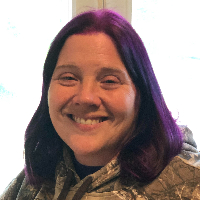
Shannon Gaiser
Recovery-focused counselor and practical support
- Credentials
- LPC
- Experience
- 17 years
- Licensed in
- Pennsylvania
- Languages
- English
- Format
- Online sessions
About Shannon
Shannon Gaiser is a licensed professional counselor (LPC) with 17 years of clinical experience. She guides people through addiction, stress, anxiety, depression, and major life changes. Shannon aims to offer practical tools and steady support rather than relying only on one recovery path.
Her background includes both clinical and outpatient settings and work alongside medication-assisted treatment providers. Shannon uses clear, straightforward methods in sessions. She listens first and helps clients set small, doable steps.
Background and approach
Motivational Interviewing is part of her toolkit to strengthen a person’s own reasons for change. Cognitive Behavioral Therapy helps identify unhelpful thoughts and replace them with more balanced ones. She also draws on Acceptance and Commitment Therapy and mindfulness techniques to help people notice thoughts and values without getting stuck in them.
These approaches are useful for stress, cravings, depression, and relationship strain. Sessions often include practical exercises and homework to apply new skills between meetings. Shannon has worked in inpatient and outpatient rehab settings and in independent practice alongside medication-assisted treatment providers.
That experience informs her knowledge of addiction, co-occurring disorders, trauma, and family dynamics. She supports clients dealing with grief, parenting struggles, anger, self-esteem, and workplace stress. In online sessions Shannon offers video, phone, chat, and text formats.
She aims to respond to messages promptly and to collaborate on a plan that fits each person’s life and goals.
Online approaches for recovery and family stress
Acceptance and Commitment Therapy (ACT) helps people notice their thoughts and feelings without getting stuck in them, then choose actions that match their values. It can be useful for stress, cravings, and finding motivation during recovery. Cognitive Behavioral Therapy (CBT) looks at the link between thoughts, feelings, and actions and teaches practical skills to change unhelpful patterns, which helps with anxiety, depression, and anger. Motivational Interviewing focuses on a person’s own reasons for change and is used to build commitment when facing addiction or big life shifts.Choosing the right approach is part of therapy. The therapist works collaboratively to match methods to each person’s goals and needs. That means trying strategies, checking what helps, and adjusting the plan together rather than following a fixed program.
Online therapy offers flexible ways to meet. Video and phone sessions allow live, face-to-face conversations when that fits better. Live chat and text sessions can support short check-ins, encouragement, and ongoing coaching between meetings. These options make it easier to fit help into a busy schedule and keep consistent contact during recovery and family transitions.
Acceptance and Commitment Therapy (ACT)
Less about arguing with difficult thoughts, more about loosening their grip and acting on what matters to you anyway. Values and committed action carry the work, which suits conversation at a distance.
Client-Centered Therapy
The direction comes from you rather than from a set programme. The therapist offers a warm, non-judgemental space to think out loud and work at your own pace. Online, this rests on the relationship rather than on being in the same room.
Cognitive Behavioral Therapy (CBT)
CBT looks at the link between what you think, how you feel, and what you do. You work on noticing unhelpful patterns and practising steadier responses. It suits online sessions well, because much of the work happens between appointments and can be talked through from anywhere.
Frequently asked questions
What concerns does she help with?
How would she describe her therapy style?
What is her professional background?
What credentials and location are listed?
In which languages can sessions be held and are international clients supported?
What session formats are available?
How is cost handled for sessions?
What are the steps to begin working together?
Specialties and expertise
Top specialties
- Stress, Anxiety
- Addictions
- Relationship issues
Also works with
- Abandonment
- Anger management
- Antisocial personality
- Bipolar disorder
- Career difficulties
- Codependency
- Commitment issues
- Communication problems
- Control issues
- Coping with life changes
- Depression
- Divorce and separation
- Domestic violence
- Drug and alcohol addiction
- Emptiness
- Family conflicts
- Family of origin issues
- Family problems
- Fatherhood issues
- Forgiveness
- Grief
- Guilt and shame
- Impulsivity
- Infidelity
- Isolation / loneliness
- LGBT
- Life purpose
- Midlife crisis
- Money and financial issues
- Mood disorders
- Obsessions, compulsions, and OCD
- Parenting issues
- Post-traumatic stress
- Pregnancy and childbirth
- Seasonal Affective Disorder (SAD)
- Self esteem
- Self-love
- Sexual assault and abuse
- Trauma and abuse
- Women's issues
- Young adult issues
Therapeutic approaches
- Experience
- 17 years
- Licensed
- Pennsylvania
- Languages
- English
Next step
Talk to Shannon
- Takes a few minutes
- Nothing to set up just to look
- Stop at any point