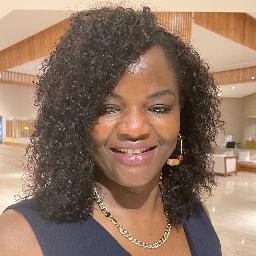
Ramata Adebawo
Supportive Oregon LCSW for family and parenting concerns
- Credentials
- LCSW
- Experience
- 7 years
- Licensed in
- Oregon
- Languages
- English, Lingala
- Format
- Online sessions
About Ramata
Ramata Adebawo is a Licensed Clinical Social Worker (LCSW) based in Oregon who supports people facing stress, anxiety, trauma and abuse, parenting challenges, relationship concerns, grief, and depression. She works with clients on self-esteem, career questions, addictions, LGBT issues, intimacy-related struggles, anger, and coping with life changes. Ramata also addresses caregiver stress, multicultural concerns, immigration issues, and young adult concerns.
She speaks English and Lingala and draws on seven years of clinical experience.
Background and approach
Ramata uses a warm, empathetic, and client-centered style in sessions. She focuses on listening first and helping clients name their priorities. Treatment plans are shaped around practical steps and real-life goals that clients can try between sessions.
Ramata aims to be a partner and an advocate during the work together. Her approach blends attachment-based ideas with cognitive-behavioral techniques and elements of dialectical behavior therapy when helpful. That means she pays attention to how relationships affect feelings while also teaching skills to manage thoughts and strong emotions.
She can offer coaching-style guidance alongside therapy to tackle day-to-day problems. Growing up across cultures and later moving to the United States influenced her interest in multicultural issues. That background informs how she notices prejudice, discrimination, and immigration-related stress in a client's life.
Ramata values culturally aware care and tries to make space for each person’s story. Clients can expect focused, practical conversations and steady support when working through difficult transitions. She aims to help people find clearer next steps and more effective ways to cope as they move forward.
Approaches that guide online sessions
Attachment-based work looks at how relationships shape emotions and behavior. It helps clients who want to understand patterns in close relationships and build more stable connections. Cognitive Behavioral Therapy, or CBT, focuses on identifying unhelpful thoughts and testing new ways of thinking to reduce anxiety and depression symptoms. Dialectical Behavior Therapy, or DBT, teaches practical skills for managing intense emotions and improving coping strategies in stressful moments. Finding the right approach is part of the work. The therapist will talk with each client about their needs, goals, and preferences and then choose or combine methods that fit. This is a collaborative process so the plan can change as progress is made. Online therapy using video calls, phone sessions, live chat, or text-based messaging brings flexibility for busy schedules and varied needs. Video lets people use face-to-face interaction from home, phone sessions remove travel, and chat or messaging can be useful for shorter check-ins or skill practice. These options make it easier to keep continuity of care and to use therapy tools in everyday life when problems arise.Attachment-Based Therapy
Looks at how early bonds shaped what you expect from closeness, and how that plays out now with a partner, a parent, or your own children.
Client-Centered Therapy
The direction comes from you rather than from a set programme. The therapist offers a warm, non-judgemental space to think out loud and work at your own pace. Online, this rests on the relationship rather than on being in the same room.
Cognitive Behavioral Therapy (CBT)
CBT looks at the link between what you think, how you feel, and what you do. You work on noticing unhelpful patterns and practising steadier responses. It suits online sessions well, because much of the work happens between appointments and can be talked through from anywhere.
Frequently asked questions
What concerns does Ramata address?
How would you describe her therapeutic style?
What training and experience does she have?
Where is she licensed and what is her credential?
Which languages are supported during sessions?
What session formats are available?
How are fees and payment structured?
How do I begin working with her?
Specialties and expertise
Top specialties
- Stress, Anxiety
- Trauma and abuse
- Parenting issues
Also works with
- Addictions
- Anger management
- Career difficulties
- Caregiver issues and stress
- Coaching
- Compassion fatigue
- Coping with life changes
- Depression
- Family conflicts
- Forgiveness
- Grief
- Immigration issues
- Intimacy-related issues
- LGBT
- Midlife crisis
- Multicultural concerns
- Post-traumatic stress
- Prejudice and discrimination
- Relationship issues
- Self esteem
- Women's issues
- Young adult issues
Therapeutic approaches
- Experience
- 7 years
- Licensed
- Oregon
- Languages
- English, Lingala
Next step
Talk to Ramata
- Takes a few minutes
- Nothing to set up just to look
- Stop at any point