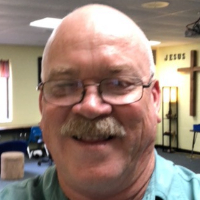
Philip Nicholas
Calm, practical therapy for everyday family life
- Credentials
- LPC
- Experience
- 4 years
- Licensed in
- Tennessee
- Languages
- English
- Format
- Online sessions
About Philip
Philip Nicholas is a licensed professional counselor who focuses on clear, practical help. He uses proven methods to address issues such as anxiety, depression, addiction, grief, and parenting concerns. Philip keeps sessions straightforward and grounded so parents and adults can get usable tools fast.
He often begins by listening closely to what feels most urgent. Then he works with each person to set simple, realistic goals and build steps to reach them.
Background and approach
Treatment can include talking through feelings, practicing new ways of responding, and learning techniques to reduce stress. Philip draws on several evidence-based approaches, including cognitive behavioral techniques and attachment-focused ideas. He also uses EMDR for trauma-related work and mindfulness exercises to help with emotional regulation.
These methods are used in practical ways that aim to change day-to-day patterns. With four years of clinical experience, Philip brings a calm, steady presence to sessions. He practices in Tennessee and holds the LPC credential.
His style is direct but warm, and he aims to make sessions feel useful from the start. Parents reading this can expect a therapist who breaks problems into manageable steps. Philip helps people develop clearer communication, healthier coping skills, and calmer routines.
The focus is on making changes that fit family life and daily demands.
How Philip blends therapeutic methods in online sessions
Philip commonly uses cognitive behavioral therapy and attachment-based ideas in sessions. Cognitive behavioral therapy, or CBT, focuses on identifying unhelpful thoughts and changing behaviors that keep problems going. It is useful for anxiety, depression, stress, and many everyday challenges.Attachment-based work examines how early relationships shape current patterns. This approach helps people notice repeated dynamics and learn different ways to connect and respond, which can support healthier parenting and relationship habits. Philip also uses EMDR when trauma memories are a central concern to reduce the intensity of painful recollections.
Finding the right approach is a collaborative process. Philip will listen to your goals and suggest methods that match your needs and preferences. Together you will try strategies, check what helps, and adjust the plan as you go.
Online formats include video calls, phone sessions, live chat, and text-based messaging. These options make it easier to fit sessions into busy family schedules and to continue work between meetings. The variety of formats lets people choose what feels most practical and comfortable for them.
Attachment-Based Therapy
Looks at how early bonds shaped what you expect from closeness, and how that plays out now with a partner, a parent, or your own children.
Client-Centered Therapy
The direction comes from you rather than from a set programme. The therapist offers a warm, non-judgemental space to think out loud and work at your own pace. Online, this rests on the relationship rather than on being in the same room.
Cognitive Behavioral Therapy (CBT)
CBT looks at the link between what you think, how you feel, and what you do. You work on noticing unhelpful patterns and practising steadier responses. It suits online sessions well, because much of the work happens between appointments and can be talked through from anywhere.
Frequently asked questions
What kinds of concerns does Philip work with?
What is his general therapy style?
How much clinical experience does he have?
Where is Philip licensed and located?
Which languages are supported for sessions?
What session formats are available?
How are fees handled?
How do I begin working with him?
Specialties and expertise
Top specialties
Also works with
- Abandonment
- ADHD
- Adoption and foster care
- Aging and geriatric issues
- Anger management
- Attachment issues
- Bipolar disorder
- Blended family issues
- Cancer
- Career difficulties
- Codependency
- Communication problems
- Coping with life changes
- Coping with natural or human-caused disaster
- Depression
- Drug and alcohol addiction
- Family conflicts
- Family of origin issues
- First responder issues
- Forgiveness
- Guilt and shame
- Hospice and end-of-life counseling
- Intimacy-related issues
- Isolation / loneliness
- LGBT
- Mood disorders
- Narcissism
- Panic disorder and panic attacks
- Parenting issues
- Post-traumatic stress
- Process addiction (porn, exercise, gambling)
- Relationship issues
- Seasonal Affective Disorder (SAD)
- Self esteem
- Sexual assault and abuse
- Social anxiety and phobia
- Stress, Anxiety
- Traumatic brain injury
- Veteran and Armed Forces Issues
- Young adult issues
Therapeutic approaches
- Experience
- 4 years
- Licensed
- Tennessee
- Languages
- English
Next step
Talk to Philip
- Takes a few minutes
- Nothing to set up just to look
- Stop at any point